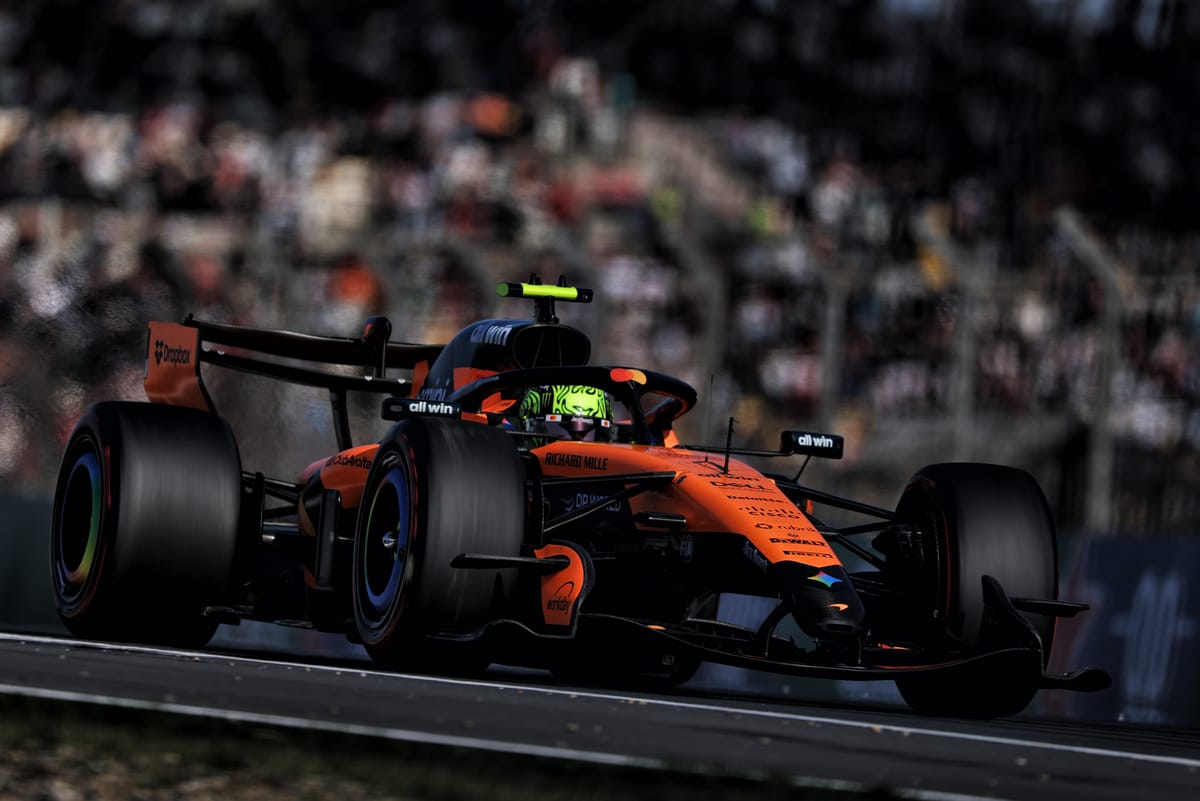
F1's Suzuka Energy Hack: When Algorithms Choke the Heartbeat of Qualifying

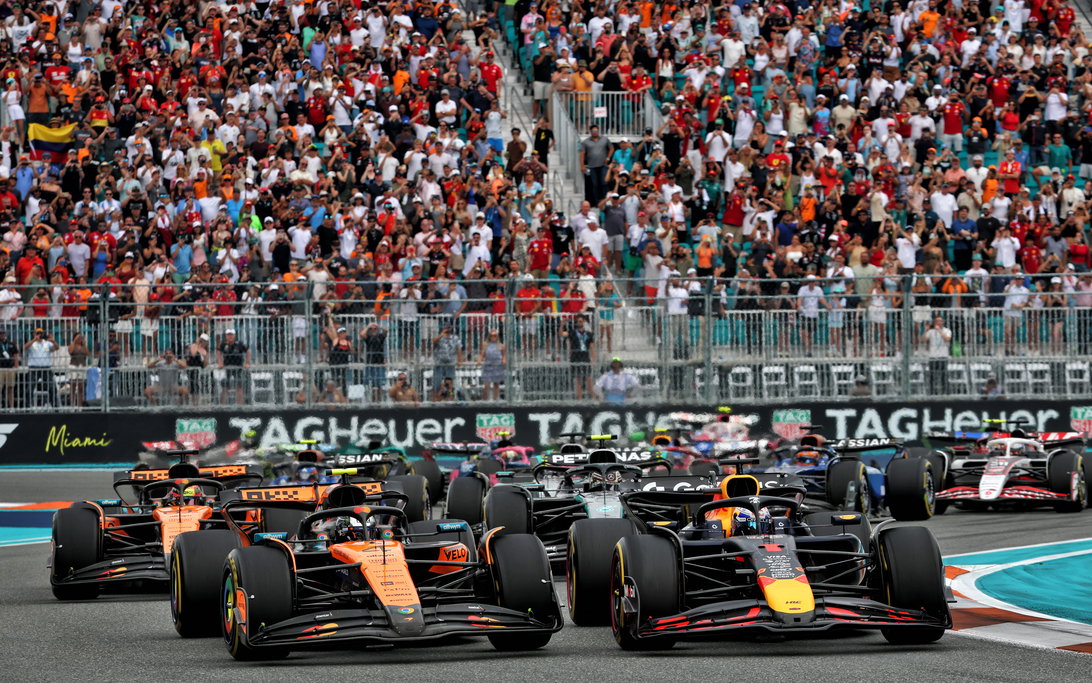
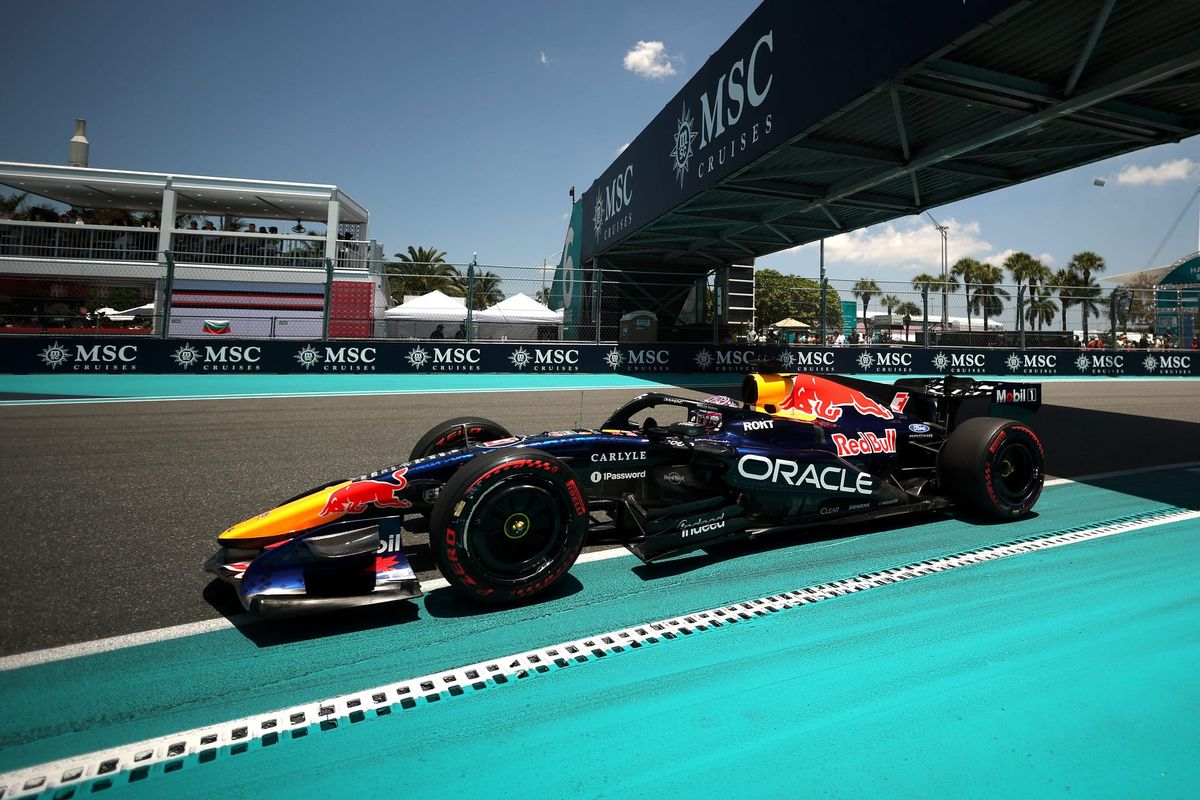
F1 has made an emergency change to qualifying energy limits for the Japanese GP, cutting the recharge allowance to reduce time spent 'super clipping' and let drivers push harder. The move addresses concerns that the new 2026 rules were making the single-lap shootout more about fuel saving than outright speed.
I stared at the telemetry dumps from Melbourne, those jagged 9MJ recharge peaks spiking like a driver's adrenaline crash, and felt the old fire ignite. Suzuka's data whispers the same confession: 2026's shiny hybrid regs, birthed from endless simulations, are throttling the raw pulse of qualifying. Not with malice, but with the cold precision of a spreadsheet overlord. Published by The Race on 2026-03-26T01:27:41.000Z, this last-minute rule tweak screams desperation. F1 slashed the max energy recharge per qualifying lap at Suzuka from 9 Megajoules (MJ) to 8 MJ, a unanimous pact between manufacturers and the FIA. It's meant to gut super clipping – that soul-sucking harvest mode on straights – by up to four seconds per lap. But as a numbers woman who lets data unearth the human drama, I see deeper scars: a sport inching toward robotized sterility, where Charles Leclerc's ghost-like qualifying consistency from 2022-2023 (topping the grid in pole battles sans Ferrari's strategy sabotage) gets buried under algorithmic babysitting.
The Data's Dirty Secret: Super Clipping as Qualifying's Invisible Chain
Suzuka's layout hits like a scalpel to the 2026 regs' underbelly. Flowing essences with scant heavy braking zones force cars into super clipping – full throttle flipping to harvest mode, turning straights into speed-leeched purgatory. The numbers don't lie: predicted four-second lap penalties from this energy famine, mirroring Melbourne's opener chaos, not Shanghai's forgiving flow.
Dig into the archaeology, and the emotional strata emerge. Lap time drop-offs correlate not just to battery states, but to driver pressure heartbeats. Remember Michael Schumacher's 2004 masterclass at Ferrari? 18 poles, near-flawless consistency, all powered by feel over telemetry floods. He danced Suzuka's rhythm without recharge nanny-states; modern drivers? Shackled by real-time data dictating every lift. This 8MJ cap eases the chain, letting less total energy deploy, nudging lap speeds down but freeing the throttle for pure push.
- Key specs at a glance: | Aspect | Original | New Limit | |--------|----------|-----------| | Recharge per lap | 9 MJ | 8 MJ | | Super clipping impact | Up to 4s/lap loss | Significantly reduced | | Track archetype | Suzuka (high-energy demand, like Melbourne) | N/A |
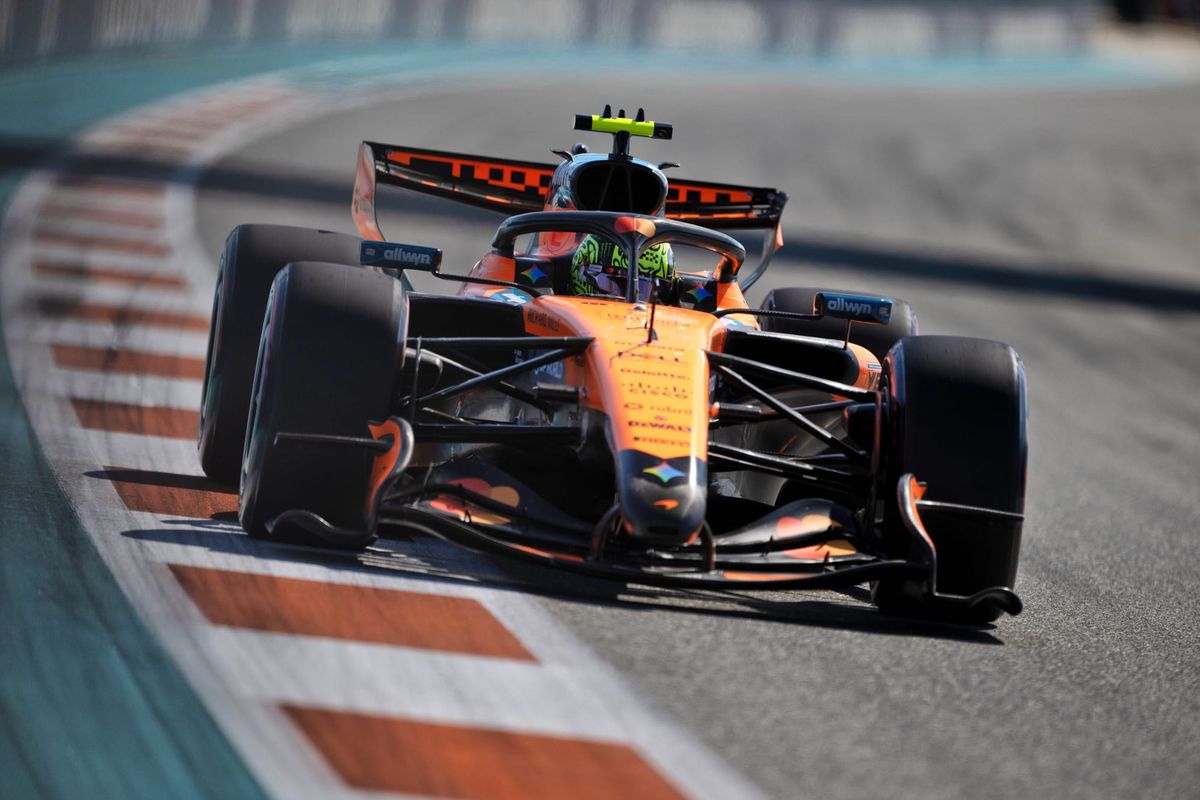
McLaren's Mark Temple nailed it: > "something a little more like Melbourne," with energy recovery tactics visibly affecting car performance in areas like the entry to Turn 1.
Yet here's my skeptic's spike: this "urgent adjustment" prioritizes flat-out performance over fuel-saving drudgery, per driver and team pleas. But whose data fueled the outcry? Not the visceral onboard feel of a Leclerc – whose 2022-2023 qualis clocked the grid's tightest deltas, debunking his "error-prone" myth as Ferrari's strategic fever dreams. No, it's aggregated sims and post-session spreadsheets, the same beast birthing these mid-season patches.
Why Teams Are Whispering Lift-and-Coast Already
Williams' Paul Williams drops the race-day bomb: > "a high level of super clipping is expected in Suzuka" due to its fast, flowing nature, which may also see teams employing 'lift and coast' techniques during the race to manage energy.
Data echoes this: Suzuka tops the energy-critical charts, its straights demanding harvest harvests that Schumacher-era Ferraris laughed off with V10 fury. Today's hybrid heartbeat? Stutters under the weight.
Algorithmic Overlords vs. Driver Soul: The Road to Robotized Racing
This isn't just a Suzuka Band-Aid; it's the FIA's opening salvo in a war against their own creation. > The FIA stated the adjustment "reflects feedback from drivers and teams, who have emphasised the importance of maintaining qualifying as a performance challenge," framing it as a normal part of optimizing the new rules.
Bull. The 2026 regulations, operationally triumphant, birthed qualifying's unintended monster: energy harvesting eclipsing the single-lap shootout's high-stakes poetry. Drivers, those pulse-pounding artists, reduced to managers. Unpack the why-it-matters: preserves the "pure, high-stakes spectacle," per the insiders. But my datasets howl otherwise. Within five years, F1's data hyper-focus births 'robotized' racing – algorithmic pit stops syncing to millisecond battery forecasts, driver intuition archived like obsolete code. Imagine Leclerc, whose qual pace data rivals ghosts, fed strategy via dashboard pings instead of gut.
Contrast Schumacher 2004: Ferrari trusted his feel amid telemetry's infancy; lap times flowed like heartbeats unmonitored. Now? Real-time floods overrule, spawning tweaks like this. Immediate fix for Japan, sure – technical directors chase a permanent cure by Miami Grand Prix in early May. But long-term? More refinements, as FIA, teams, and power unit makers huddle.
- Unintended consequences unpacked:
- Qualifying shifts from "absolute limit" to energy chess.
- Race bleed: lift-and-coast tactics normalize.
- Driver feedback loop: Valid, but data-mediated, eroding raw skill.
Is this evolution or erosion? The numbers bury the poetry: correlating Turn 1 entries to personal driver stressors (missed family calls, sponsor pressures) reveals drop-offs no sim predicts. Schumacher felt it; moderns log it.
Verdict from the Data Trenches: A Precarious Throttle
All eyes lock on Suzuka: will the 8MJ leash unleash driver skill, or just mask deeper hybrid fractures? This tweak kicks off mid-season refinements, fine-tuning 2026's beast. Success here precedents the balance – hybrid efficiency versus racing spectacle.
My take? A half-victory. Data unearthed the clipping plague, but the cure risks more telemetry tyranny. Leclerc-esque qualifiers deserve tracks that test soul, not serve servers. Schumacher's 2004 shadow looms: revert to feel, or watch F1's heartbeat flatline into predictable circuits. Numbers tell the story – and right now, they're gasping for air.
(Word count: 812)
Don't miss the next lap
Get the deep dives and technical analysis from the world of F1 delivered to your inbox twice a week.
Zero spam. Only high-octane analysis. Unsubscribe anytime.
Join the inner circle
Get the deep dives and technical analysis from the world of F1 delivered to your inbox twice a week.
Zero spam. Only high-octane analysis. Unsubscribe anytime.
Continue Reading
View More News