F1's 2026 Rule Fixes: Experts Weigh In on Potential and Limits
F1 is working on last-minute fixes for its 2026 technical rules, but analysts say the changes can only soften, not solve, core issues. The regulations, built around a 4MJ battery, force unnatural energy management and reduce driver influence, problems rooted in commercial decisions made years ago to please engine manufacturers.
Formula 1 is scrambling to tweak its controversial 2026 technical regulations ahead of their introduction, but experts argue the proposed fixes may only mitigate, not solve, the core problems stemming from a battery-dominated power unit formula. The sport is fundamentally constrained by physics and commercial decisions made years ago, leaving it to manage the consequences of a ruleset designed more to attract engine manufacturers than to produce pure racing.
Why it matters:
The 2026 regulations represent a pivotal moment for F1's technical future and the quality of its racing. Getting the balance wrong risks creating cars that are slow, unpredictable, and where computer algorithms dictate performance more than driver skill. The current debate reveals a tension between the sport's commercial engine for attracting manufacturers and its core sporting principle of driver-centric competition.
The details:
- A Physics Problem: The fundamental constraint is the 4MJ battery capacity. To achieve competitive lap times, the battery must be constantly charged and discharged, even on a single qualifying lap, leading to unnatural driving styles and energy "starvation."
- Limited Fixes: Stakeholders are discussing changes like adjusting energy recovery limits and deployment strategies. While these may improve qualifying and reduce extreme "lift-and-coast" tactics, they cannot alter the basic energy equation that mandates heavy battery management.
- The Driver's Role Diminished: A major concern is that race outcomes are increasingly dictated by pre-programmed algorithms managing throttle mapping, deployment, and "super clipping," rather than raw driver talent and racecraft.
- Commercial Lock-In: The rules were shaped years ago to retain current manufacturers and attract new ones like Audi. This commercial imperative has locked F1 into a technical path that is now proving problematic from a sporting perspective.
The big picture:
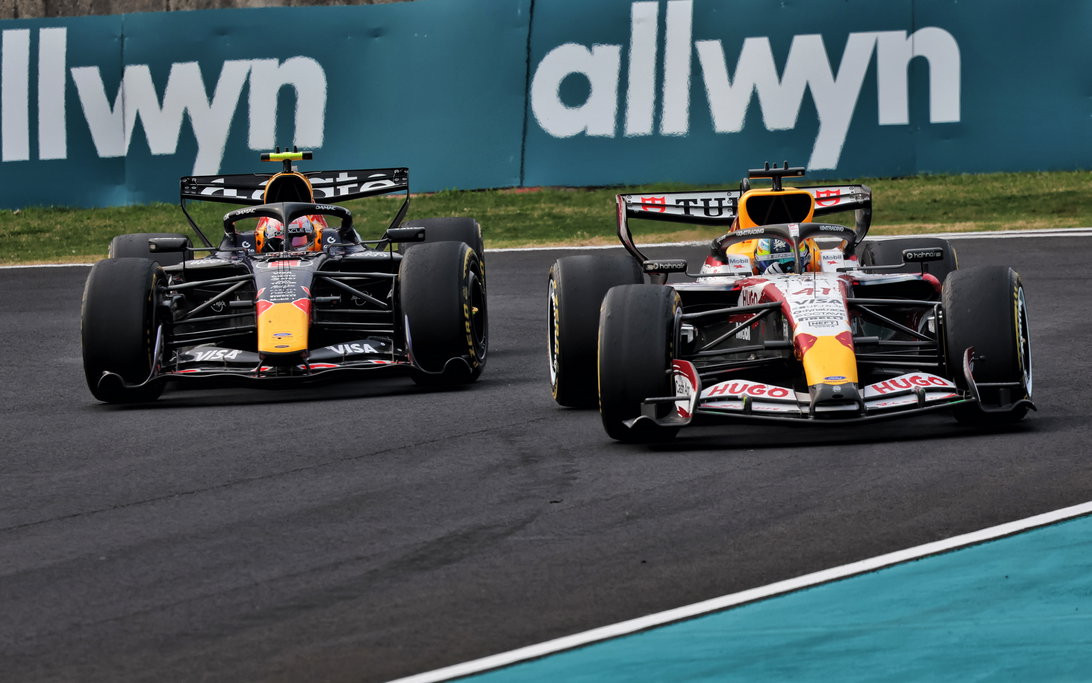
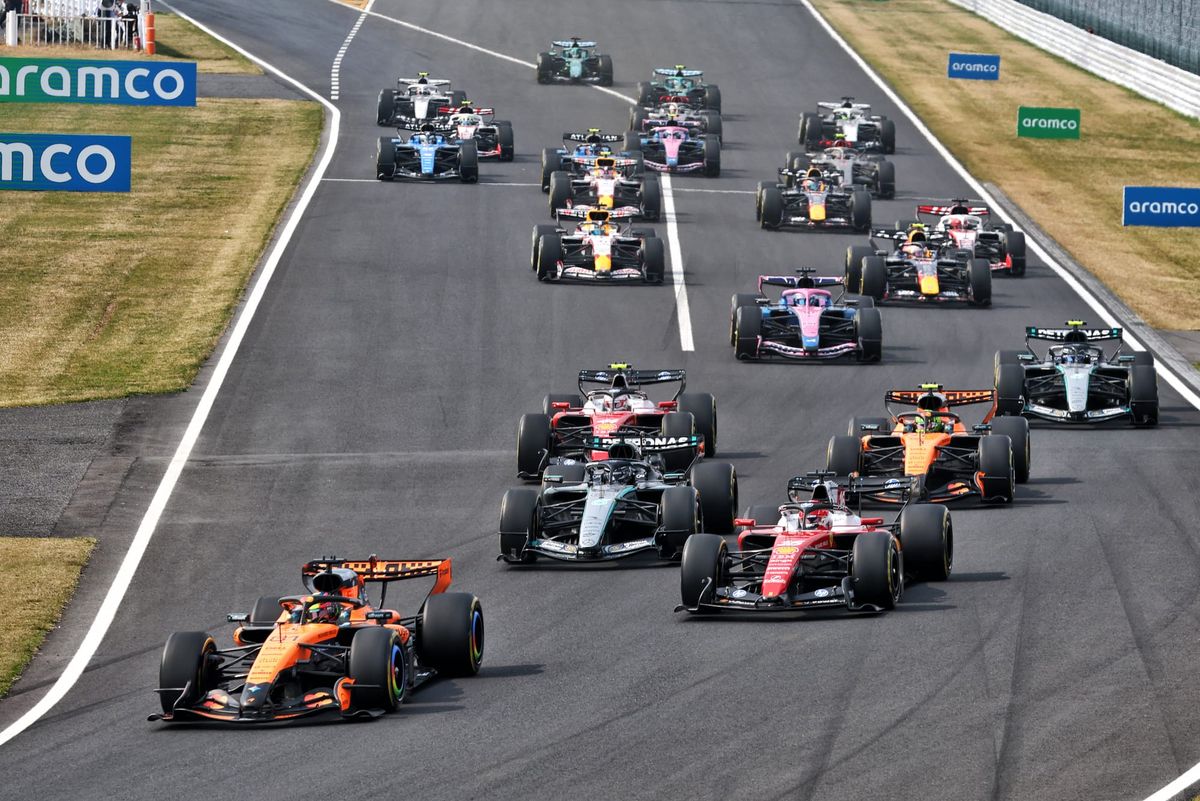
The 2026 rules have created a paradox. Early simulations and the 2026 season opener in Suzuka showed a dramatic increase in overtaking, which some in F1 see as "all-action racing." However, many purists and experts dismiss much of this passing as artificial "battery racing," where cars are easy prey on straights due to mismatched energy states. The sport's leadership may be tempted to prioritize the spectacle of frequent passing over the purity of competition, hoping fans grow accustomed to the new style.
What's next:
F1 finds itself in a damage limitation phase. Immediate tweaks are expected by the Miami Grand Prix to address the most extreme safety and performance issues.
- The likely outcome is a series of compromises that make the cars slightly more normal to drive, potentially at the cost of adding lap time, without fundamentally overhauling the power unit concept.
- Long-term, the debate highlights a need for a philosophical reset. The ultimate fix may require F1 to find a way to move beyond these battery-heavy regulations at the earliest opportunity and return more direct control and influence to the drivers.
Don't miss the next lap
Get the deep dives and technical analysis from the world of F1 delivered to your inbox twice a week.
Zero spam. Only high-octane analysis. Unsubscribe anytime.
Join the inner circle
Get the deep dives and technical analysis from the world of F1 delivered to your inbox twice a week.
Zero spam. Only high-octane analysis. Unsubscribe anytime.
Continue Reading
View More News