F1's 2027 Power Unit Rules Face Critical 15-Day Decision Window
F1 stakeholders have just 15 days to decide on a major 2027 power unit overhaul, proposing a shift to 60% engine and 40% electric power. The change requires a supermajority vote and would force complete car redesigns due to larger fuel tanks, with manufacturer alliances now deciding the sport's technical future.
Formula 1 is racing against the clock to finalize its 2027 power unit regulations, with a pivotal decision on a major shift to a 60/40 thermal-to-electric power split needed within the next two weeks. The change, aimed at restoring a more natural driving feel, faces significant hurdles due to the tight timeline and the substantial car redesigns it would necessitate, requiring a supermajority vote from engine manufacturers.
Why it matters:
The 2027 power unit rules will set the competitive framework for the next era of F1, directly impacting car performance, racing spectacle, and manufacturer investment. Moving to a 60/40 split represents a fundamental philosophical shift back towards internal combustion power, seeking to address widespread driver and fan criticism that the current 2026-spec hybrids feel artificial and lack the visceral engagement of previous generations.
The details:
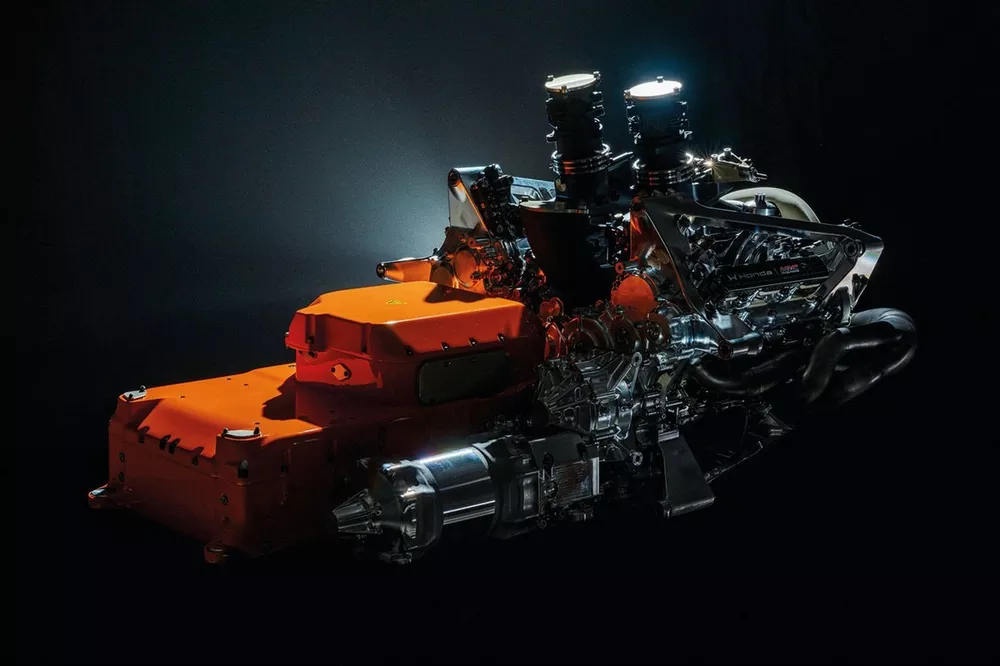
- The core proposal is to increase the internal combustion engine's (ICE) contribution from approximately 530 horsepower to around 600 horsepower, creating a 60% thermal and 40% electric power balance.
- The Major Hurdle: This increase in ICE power leads to higher fuel consumption, requiring a larger fuel tank. Implementing this change would trigger a major overhaul of car chassis design, dimensions, and aerodynamics for 2027.
- The Tight Deadline: Teams indicate the window to approve such a foundational change closes in mid-May. A team principal noted that if a decision is made within two weeks, there is technically time to adapt, though it could even lead to shortening race distances by a few laps as a worst-case fuel-saving measure.
- The Voting Math: To enact the change for 2027, the rules require a supermajority, meaning at least four of the five power unit manufacturers (Mercedes, Ferrari, Honda, Red Bull Powertrains, and Audi) must vote in favor.
- Manufacturer Standoff: Paddock rumors suggest Honda and Red Bull Powertrains support the change. Ferrari and Audi's positions are unconfirmed, while Mercedes is speculated to be opposed but could be pressured to agree if a consensus forms among its rivals.
What's next:
The next 15 days will be decisive. If the 60/40 proposal fails to gain the required supermajority, F1 will proceed with the existing 2026 power unit specifications, with only the minor aerodynamic tweaks introduced in Miami applying for 2027. However, the intense debate underscores a strong desire within the sport for correction, meaning even if the major change is postponed, discussions on optimizing the current hardware will continue aggressively. The outcome will define the character of F1 cars for the latter half of this decade.
Don't miss the next lap
Get the deep dives and technical analysis from the world of F1 delivered to your inbox twice a week.
Zero spam. Only high-octane analysis. Unsubscribe anytime.
Join the inner circle
Get the deep dives and technical analysis from the world of F1 delivered to your inbox twice a week.
Zero spam. Only high-octane analysis. Unsubscribe anytime.