F1's ADUO: How the New Development Upgrade System Works
F1 introduces ADUO in 2026 to help struggling PU manufacturers catch up through cost cap relief, not performance balancing. The system monitors ICE performance and grants financial allowances for upgrades.
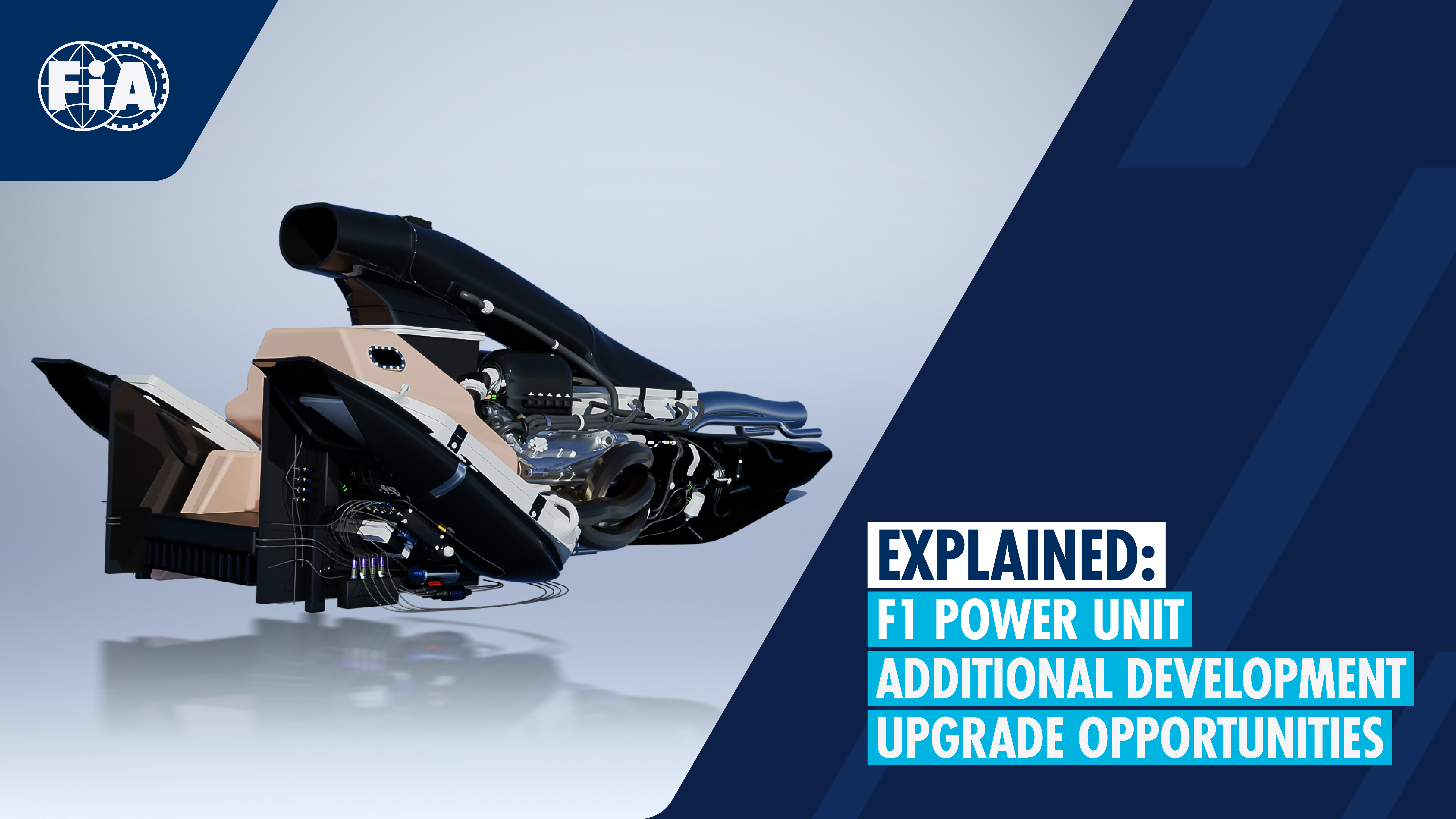
F1's 2026 regulations introduce the Additional Development and Upgrade Opportunities (ADUO) mechanism to help power unit manufacturers that fall behind. Instead of adjusting performance metrics like a Balance of Performance system, ADUO provides cost cap relief, allowing lagging manufacturers to spend extra on development within the technical rules.
Why it matters:
The system is designed to encourage closer competition without artificially leveling the field. Manufacturers whose ICE performance lags by at least 2% relative to the benchmark gain financial leeway to upgrade homologated components. This preserves the incentive to build the best PU while giving those behind a realistic path to close the gap.
The details:
- ICE Performance Index: The FIA calculates this based on input shaft torque, engine speed, MGUK power, and other factors, measured across defined race periods. Fuel temperatures and external aerodynamics are included as measured, with no correction methodology.
- Monitoring periods: The 2026 season divided into three periods. Period 1 originally covered races 1-6 but was adjusted due to Middle East events and now spans the first five races (Australia, China, Japan, Miami, Canada). Period 2 covers races 6-11 (Monaco to Hungary), Period 3 races 12-18 (Netherlands to Mexico City). Results for Period 1 will be communicated within two weeks after the Canadian Grand Prix.
- Financial allowances: Tiers based on deficit:
- 2-4% behind: Up to $3.0 million per ADUO period.
- 4-6% behind: Up to $4.65 million.
- 6-8% behind: Up to $6.35 million.
- 8-10% behind: Up to $8.0 million.
- 10% or more: Up to $11 million, plus for 2026 only, an additional $8 million advance on future cost cap.
- Upgrade allocation: A manufacturer 2-4% behind gets one homologation upgrade in the current season and one in the following. A manufacturer 4%+ behind gets two in each. Upgrades are not cumulative within the same season—only the first eligibility triggers the award—but can stack across seasons. Unused upgrades expire at the season's end.
- Permitted upgrades: While measured by ICE performance, allowed upgrades include ICE components, exhaust, turbo, electrical elements, ERS and cooling, MGU-K, Control Electronics, hydraulic functions, fluids, and ballast.
What's next:
Eligible manufacturers can introduce upgrades as early as the race following notification. If a manufacturer misses ADUO after the first two periods, it is ineligible for the third. The first real test of the system will come just two weeks after the Canadian Grand Prix, when the FIA communicates Period 1 results and sets the stage for potential development battles in the heart of the 2026 season.
Don't miss the next lap
Get the deep dives and technical analysis from the world of F1 delivered to your inbox twice a week.
Zero spam. Only high-octane analysis. Unsubscribe anytime.
Join the inner circle
Get the deep dives and technical analysis from the world of F1 delivered to your inbox twice a week.
Zero spam. Only high-octane analysis. Unsubscribe anytime.
Continue Reading
View More News