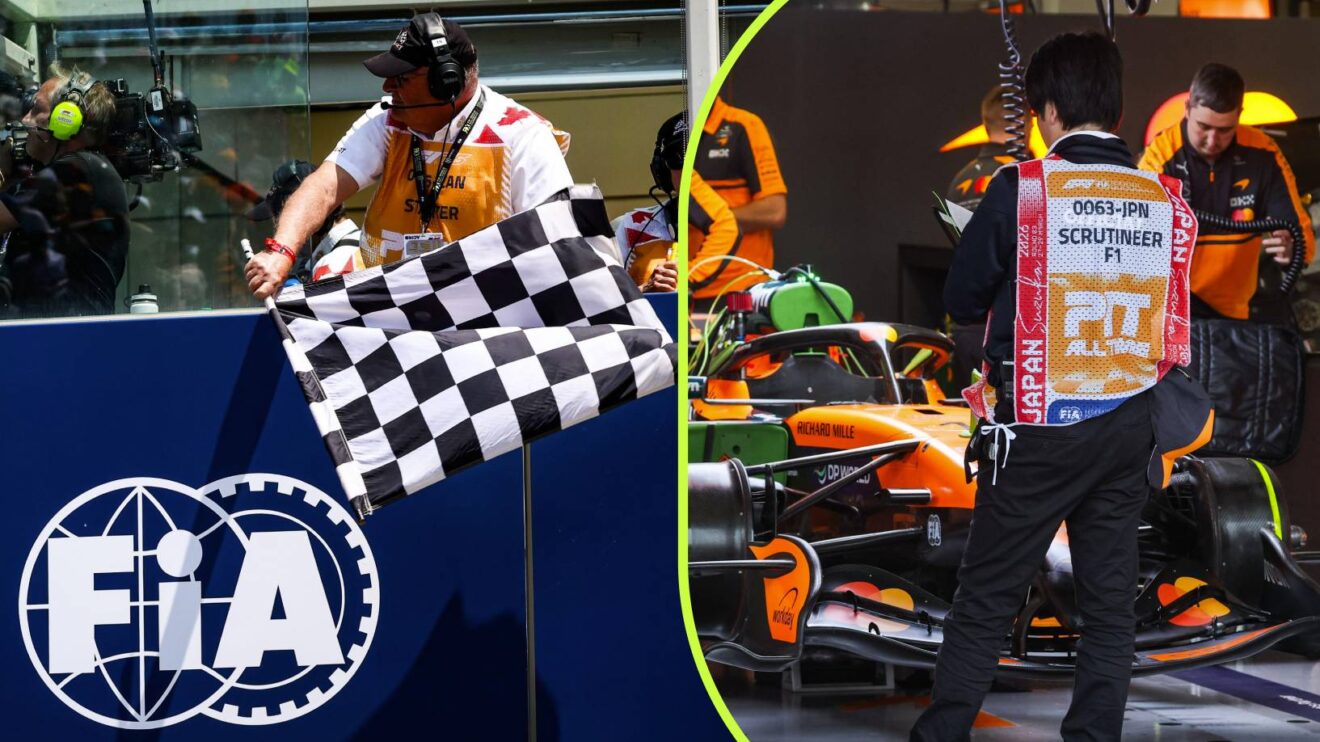
F1's Hidden Workforce: Over 20,000 Volunteers Power Each Season
An FIA report unveils that the F1 World Championship depends on over 20,000 trained volunteers each year, who contribute nearly one million hours of unpaid work valued at €13.2 million. This hidden workforce is essential for race safety and operations, prompting the FIA to invest in professionalizing their recruitment and training systems for the sport's future.
A landmark FIA report has revealed the staggering scale of Formula 1's reliance on volunteers, with over 20,000 trained individuals required annually to stage the World Championship. This hidden workforce, contributing nearly one million hours of unpaid time each season, forms the essential backbone for race safety and operations, from flag marshals to scrutineers.
Why it matters:
While F1 is a multi-billion dollar commercial spectacle, its fundamental operation hinges on a massive, skilled volunteer corps. This report quantifies for the first time the immense human infrastructure required behind the glamour, highlighting a critical vulnerability and a significant investment area for the sport's governing body as it plans for future expansion.
The Details:
- Sheer Scale: Each Grand Prix requires an average of 838 volunteers. Across a 24-race season, this totals approximately 20,112 individuals.
- Economic Value: Using a "replacement labour cost" model, the value of this volunteer work is estimated at €13.2 million per season. The FIA's associated costs for recruitment, training, and management are about €11.1 million annually.
- Personal Commitment: Each volunteer dedicates an average of 48 hours per event, with 65% using unpaid or holiday leave to participate. 85% are repeat volunteers, underscoring both dedication and a need to recruit new talent.
- Professionalization Push: In 2025, the FIA established a centralized Officials Department to modernize training and management, moving away from ad-hoc regional systems to ensure greater consistency and professionalism across the global calendar.
- Recruitment Challenges: Organizers identified the role of scrutineer—technical inspectors who check car compliance—as the most difficult to fill due to the high level of expertise required.
What's Next:
The FIA is acting on the report's recommendations to future-proof this essential system.
- Plans are underway to invest in a dedicated FIA Centre of Excellence, a training hub aimed at structuring the long-term recruitment and development of world-class officials.
- Continued investment and enhanced recognition of volunteers are deemed crucial, especially as F1 considers expanding to new markets, which would further strain the existing volunteer pool.
- FIA President Mohammed Ben Sulayem emphasized that without this global network of volunteers, "we simply could not go racing," signaling that their support will remain a top strategic priority.