F1's Infamous 2016 'Elimination' Qualifying Debacle
In 2016, Formula 1 introduced a short-lived and universally hated 'elimination' qualifying format that caused chaos for two races. The confusing system, branded "pretty crap" by then-boss Bernie Ecclestone, was scrapped after drivers were eliminated mid-lap and sessions ended with an anticlimax, forcing a swift return to the traditional knockout style.
A hastily introduced 'elimination-style' qualifying format for the 2016 Formula 1 season lasted just two chaotic races before being scrapped, universally panned by drivers, teams, and then-CEO Bernie Ecclestone as a failed experiment. The confusing system, which saw drivers eliminated at fixed 90-second intervals regardless of whether they were on a flying lap, led to anti-climactic sessions and grid confusion, forcing a rapid and embarrassing U-turn back to the traditional knockout format.
Why it matters:
The 2016 qualifying fiasco stands as a stark lesson in how not to implement technical sporting regulations in Formula 1. It highlighted the dangers of making complex changes without sufficient testing or stakeholder buy-in, and demonstrated that gimmicks aimed at 'spicing up the show' can backfire spectacularly if they undermine the fundamental sporting contest. The episode also exposed the often-dysfunctional process of rule-making at the time, where unanimous team agreement was nearly impossible to achieve.
The details:
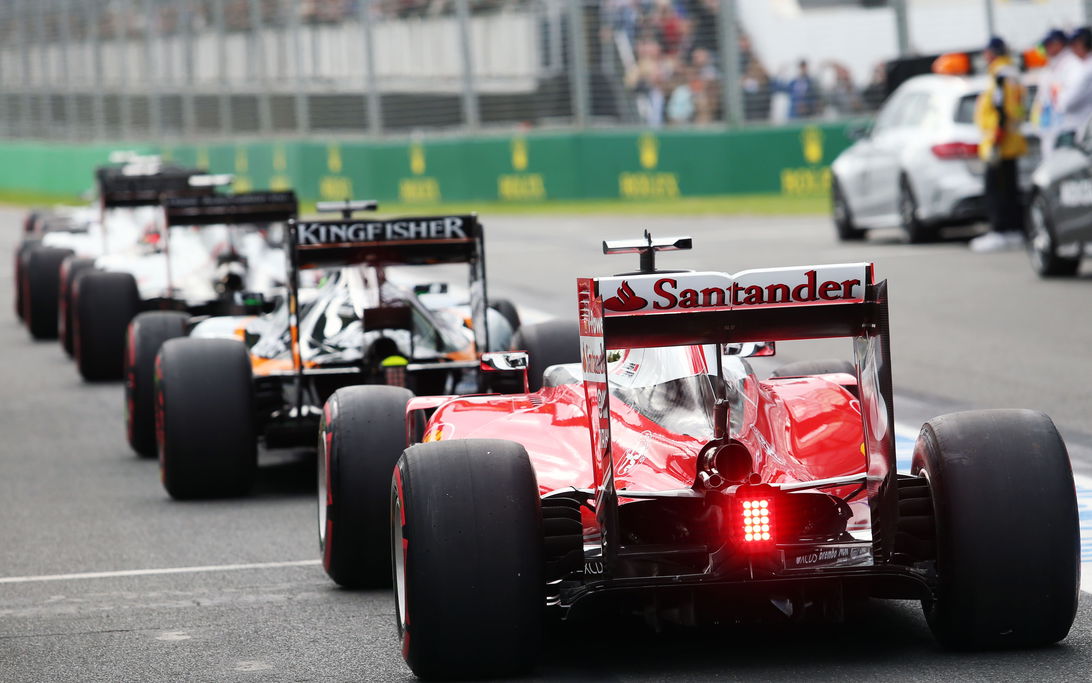
- The new system, debuted at the 2016 Australian Grand Prix, aimed to create a mixed-up grid by eliminating the slowest driver every 90 seconds in each qualifying segment.
- A critical flaw was immediately apparent: drivers could be eliminated before even setting a lap time, and those starting a lap near the cutoff would be timed out before completing it.
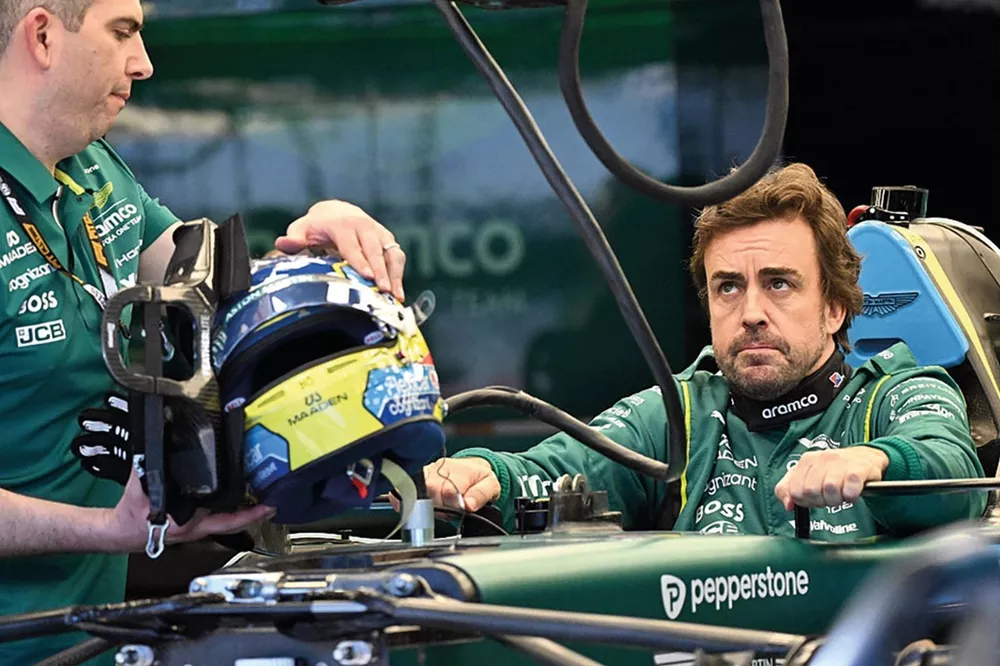
- The result was a farcical Q3 session in Melbourne. Lewis Hamilton effectively secured pole position while sitting in the paddock removing his helmet, as rivals like Sebastian Vettel didn't bother attempting a second run knowing they'd be eliminated mid-lap.
- Condemnation was swift and severe. F1 CEO Bernie Ecclestone bluntly told media, "It was pretty crap."
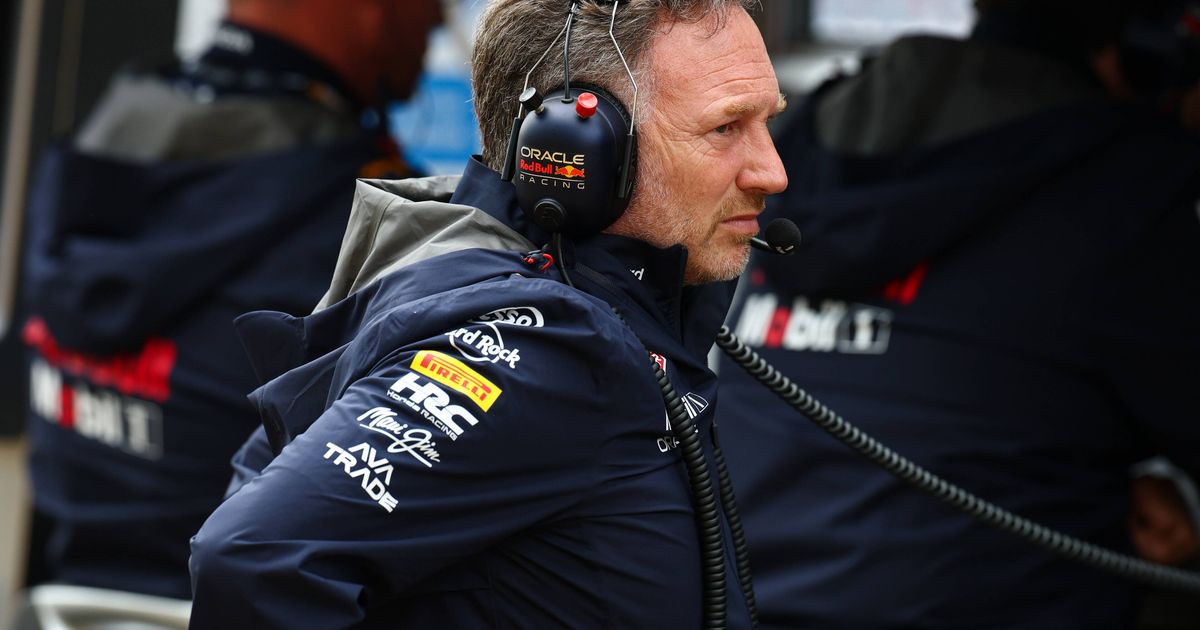
- Team principals, including Toto Wolff and Christian Horner, held emergency talks and agreed to revert to the old system for the next race in Bahrain.
- Horner compared the change to "trying to introduce a second ball on the pitch in football," arguing the focus was on the wrong problem.
- Despite the agreement, the failed format was inexplicably used again in Bahrain, causing another debacle before finally being abandoned for the Chinese Grand Prix—the season's third race.
What's next:
The sport reverted to the classic three-part knockout qualifying system, which remains in place today as the standard format for Grand Prix weekends. The 2016 experiment's only lasting legacy is as a case study in poor regulation change.
- Since then, the only major shake-up to qualifying has been the introduction of the Sprint format, which uses a separate, shortened qualifying session (Sprint Shootout) to set the grid for the Sprint race, keeping the main Grand Prix qualifying traditional.
- The episode cemented a cautious approach to tinkering with core qualifying, with future innovations like Sprint weekends being introduced as additive elements rather than replacements for the fundamental Saturday session.
Don't miss the next lap
Get the deep dives and technical analysis from the world of F1 delivered to your inbox twice a week.
Zero spam. Only high-octane analysis. Unsubscribe anytime.
Join the inner circle
Get the deep dives and technical analysis from the world of F1 delivered to your inbox twice a week.
Zero spam. Only high-octane analysis. Unsubscribe anytime.
Continue Reading
View More News