F1's Volunteer Workforce Valued at $15.5 Million Annually in New Report
A landmark FIA report reveals Formula 1's volunteer officials provide an annual economic benefit valued at $15.5 million, with over 20,000 individuals needed each season. The findings highlight the sport's deep reliance on unpaid personnel and have prompted plans for more professionalized training and support structures to ensure future sustainability.
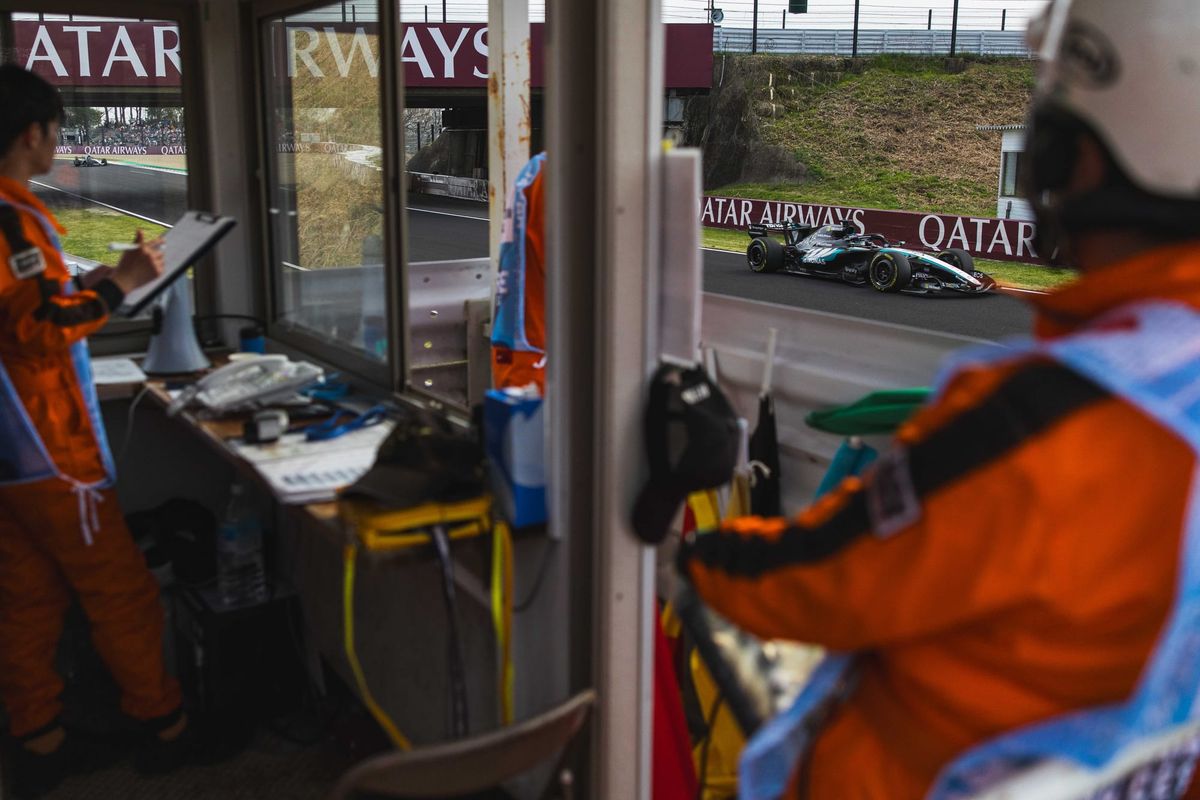
A new FIA report has quantified the immense, often unseen contribution of volunteer officials to Formula 1, revealing their work provides an annual benefit worth at least $15.5 million to the championship. The study found it takes an average of 838 volunteers per Grand Prix, totaling over 20,000 individuals across a season, whose efforts are now prompting a push for more professionalized support structures.
Why it matters:
Volunteers are the essential, unpaid backbone that makes every race weekend possible, handling critical safety and operational roles. This first-of-its-kind analysis underscores that the sport's current model relies heavily on personal goodwill, which may be unsustainable as logistical demands grow. Recognizing and systemically supporting this workforce is crucial for F1's long-term operational stability and excellence.
The details:
- Scale of Contribution: Each Grand Prix requires an average of 838 volunteer officials, spanning roles from flag marshals and track observers to medical and car extrication teams.
- Economic Value: The report calculated that replacing this volunteer workforce with paid professionals would cost an additional $15.5 million per year on top of the $12.9 million national clubs already spend on recruitment, training, and logistics.
- Personal Sacrifice: Many volunteers use their own unpaid annual leave to work race weekends, highlighting a growing strain on individuals as the calendar expands.
- Systemic Reliance: The FIA concludes the sport must move "from an ad-hoc reliance on volunteer goodwill toward a more systematic and professional model of volunteer management."
What's next:
The FIA is acting on the report's recommendations to future-proof this vital part of the sport.
- Increased Investment: Funding is set to rise for the FIA's high-performance officials training program, which currently receives about $400,000 annually.
- Structural Changes: Plans include creating a dedicated officials department with full-time staff and centralizing training and research.
- Center of Excellence: A long-term goal is establishing a dedicated training facility for officials to ensure consistent, high-standard training worldwide. FIA President Mohammed Ben Sulayem reinforced the findings, stating volunteers are the "backbone of our sport" and that this report will guide more effective support for their indispensable role.