F1 stakeholders to discuss tweaks to divisive 2026 energy management rules
F1's governing body and teams are beginning talks to adjust the 2026 energy management rules, which have improved racing but made qualifying less exciting and raised safety concerns. The focus is on fine-tuning software parameters to give drivers more control over single-lap performance without a major rule change.
Formula 1's key stakeholders are set for a series of technical meetings to refine the 2026 energy management regulations, aiming to address driver and fan concerns over qualifying spectacle and safety without a radical overhaul. The process, which begins with a technical meeting on Thursday, seeks to recalibrate the balance between driver skill and machine algorithms that have dominated single-lap performance.
Why it matters:
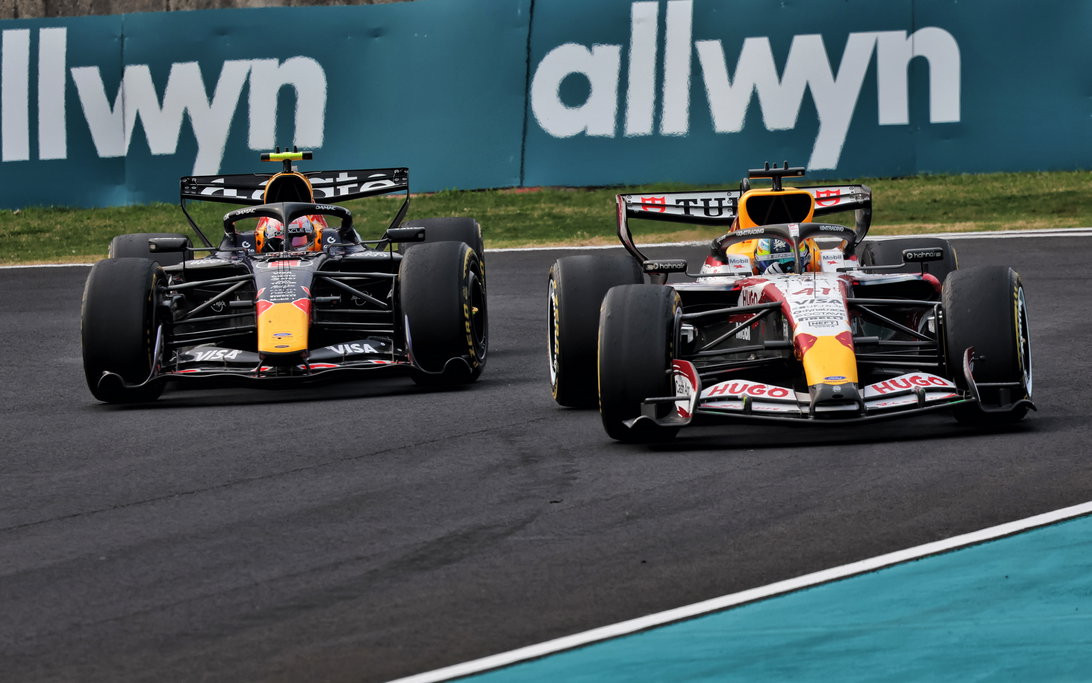
The 2026 regulations were designed to promote closer racing and more overtakes, which they have largely delivered. However, the unintended consequence has been a qualifying format where complex energy algorithms punish drivers for pushing in corners, reducing the session to a fuel-saving exercise. Finding a fix is crucial to preserving the sport's core appeal—the ultimate test of driver and machine—while maintaining the improved race-day spectacle.
The details:
- Qualifying Grievances: The primary driver for the talks is widespread dissatisfaction with how the current energy deployment rules have neutered qualifying. Drivers are forced to lift and coast on straights and take corners off-speed to charge the battery, minimizing the role of pure driver skill.
- Safety Back on the Agenda: Oliver Bearman's high-G crash at Suzuka, caused by a significant speed differential while avoiding another car, has reignited safety discussions. The huge closing speeds created by the energy recovery system are a key concern, though there appears to be a broader agreement among teams that tweaks are needed.
- The Adjustment Process: Thursday's meeting is the first step in a multi-phase process. Technical experts will propose concrete tweaks, such as reducing the electric energy component or changing battery charging parameters.
- These proposals will be discussed in a follow-up meeting on April 20th involving F1 chiefs and team principals, followed by an e-vote.
- Any approved refinements will be trialed starting at the Miami Grand Prix, with data analyzed over subsequent races to determine if further changes are needed during the summer break.
- Managing Expectations: A radical overhaul of the rules is off the table for 2026, as hardware changes are impossible due to lead times. The discussions will focus on fine-tuning the existing software and energy management parameters, not rewriting the rulebook.
What's next:
The immediate goal is to formulate and test regulatory tweaks in time for the Miami GP. The broader philosophical debate about the human-versus-machine balance in the new era is acknowledged but is likely to be tabled for future discussion. The success of this refinement process will be measured by whether it can restore driver agency in qualifying while preserving the closer racing that has defined the early part of the 2026 season.
Don't miss the next lap
Get the deep dives and technical analysis from the world of F1 delivered to your inbox twice a week.
Zero spam. Only high-octane analysis. Unsubscribe anytime.
Join the inner circle
Get the deep dives and technical analysis from the world of F1 delivered to your inbox twice a week.
Zero spam. Only high-octane analysis. Unsubscribe anytime.
Continue Reading
View More News