F1 tackles dangerous closing speeds with 2026 power unit changes
F1 has finalized 2026 power unit regulation changes to combat dangerous closing speeds and 'unintended overtakes' by capping electrical deployment outside key zones. The move, prompted by recent incidents, aims for safer, more predictable racing and takes effect from Miami, with the FIA ready to make further adjustments based on real-world data.
Formula 1 has approved key changes to the 2026 power unit regulations, primarily aimed at reducing dangerous closing speeds between cars and eliminating problematic "unintended overtakes." The adjustments focus on limiting electrical energy deployment outside key acceleration zones to create a more predictable and safer racing environment, with the changes set to take effect from the Miami Grand Prix.
Why it matters:
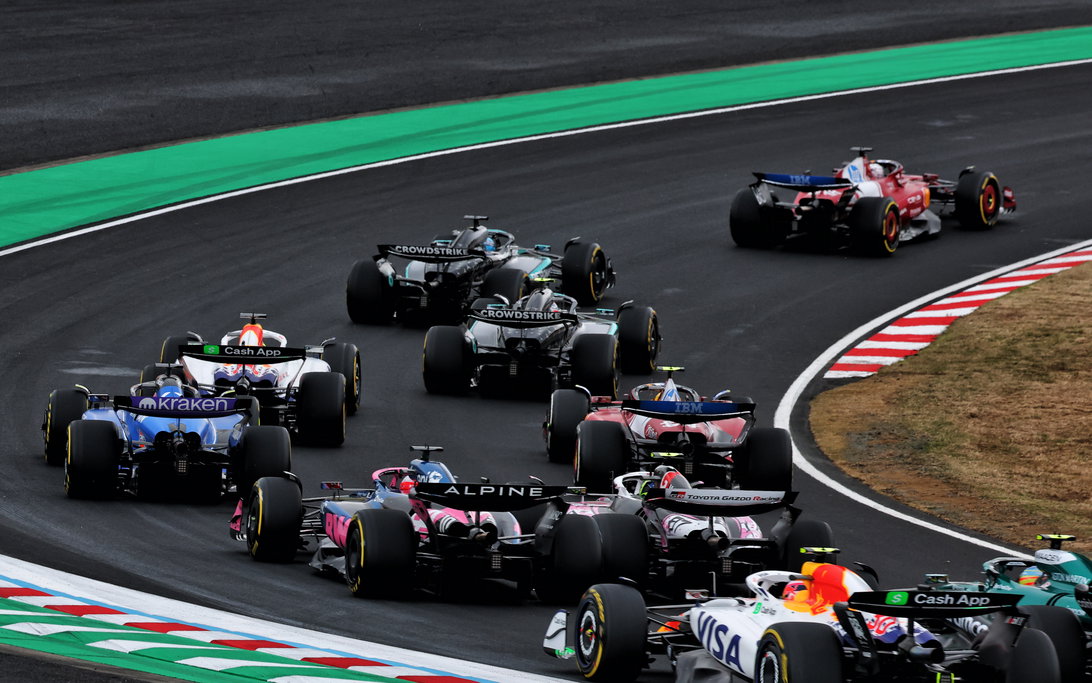
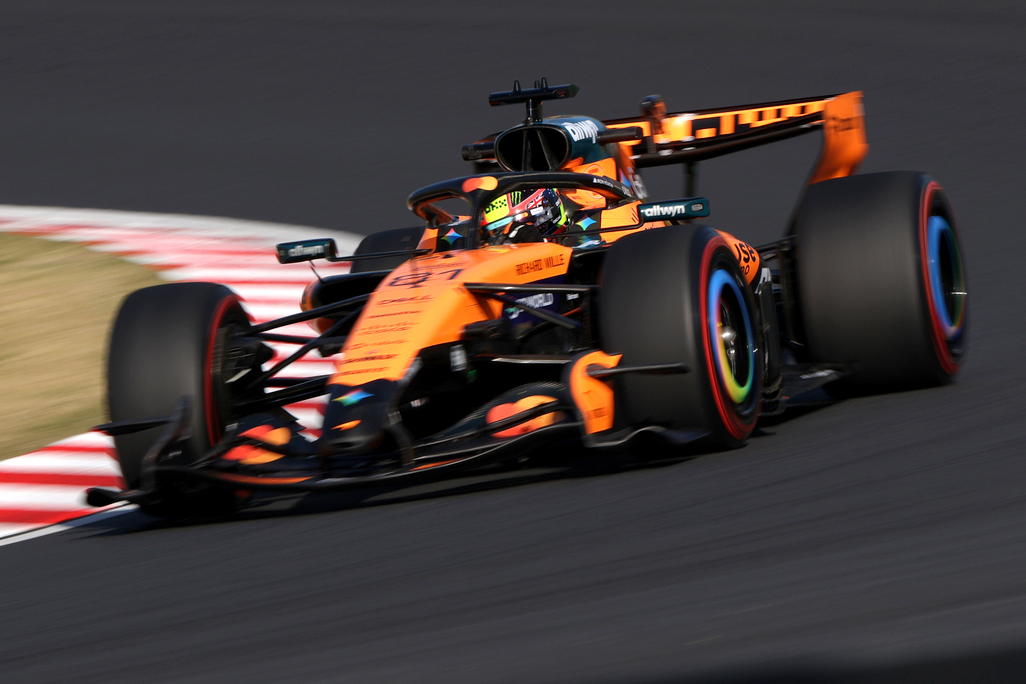
Recent incidents, like Oliver Bearman's crash in Japan and Lando Norris's awkward pass on Lewis Hamilton, highlighted a critical safety flaw where cars could approach each other at unexpectedly high speeds due to mismatched electrical boost levels. By smoothing out these power disparities, the FIA aims to mitigate a significant risk factor and improve the quality of racing by removing artificial, script-defying passes that frustrate drivers and confuse fans.
The details:
- The core change is a remapping of electrical energy deployment. While the maximum 350 kW output remains in designated "key acceleration zones," power is now capped at 250 kW elsewhere on the circuit.
- The maximum additional power available in race boost mode has been reduced to 15 kW.
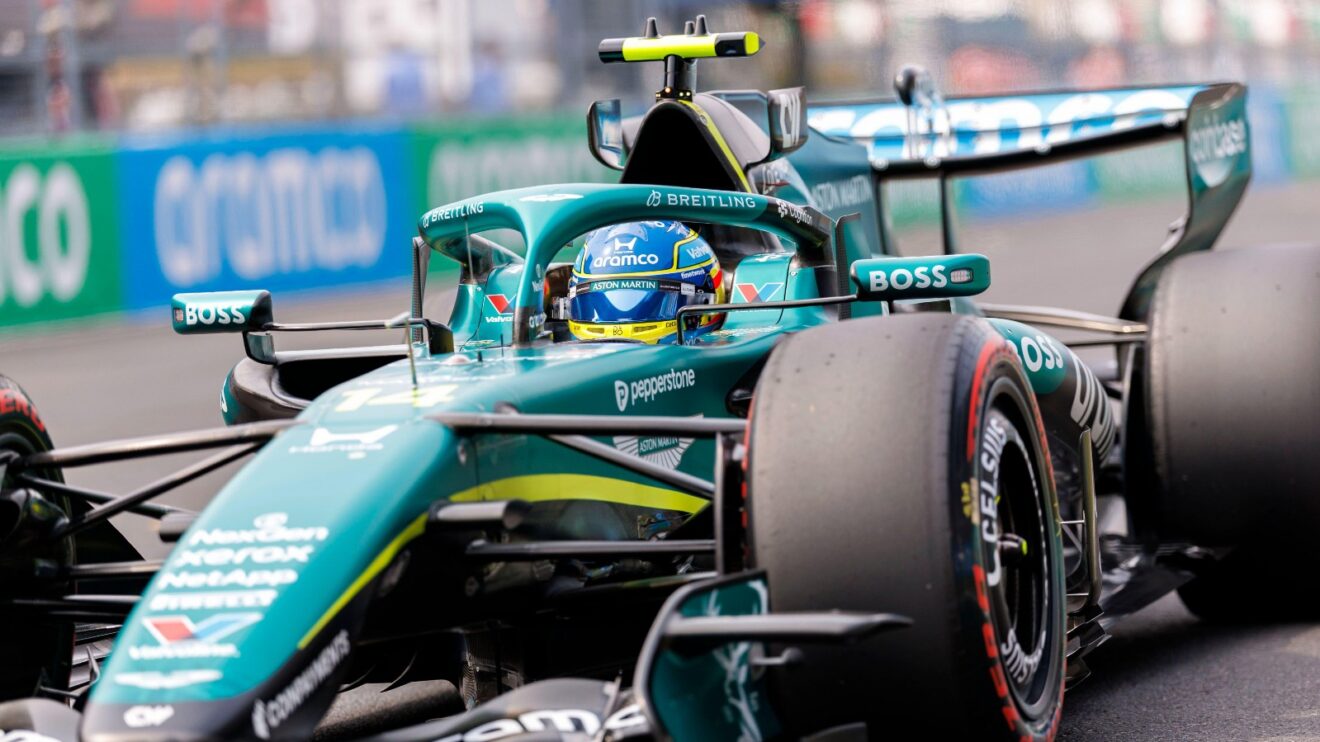
- A critical software adjustment means cars will now enter a power-limited mode on straights regardless of whether the driver lifts off the throttle. This directly addresses the issue that caught out Norris and Charles Leclerc, where lifting reset the system and delivered an unexpected surge of power.
- These modifications are designed to work alongside previously announced changes, like increased energy harvesting via "super clipping" and a reduced harvesting limit in qualifying, which together aim to produce a more natural speed profile and reduce the need for lift-and-coast tactics.
What's next:
The FIA views these changes as a significant first step, not a final solution. Single-seater director Nikolas Tombazis stated the governing body will closely monitor their effectiveness over the next few races.
- The data collected will determine if the chosen power limits are sufficient or if further adjustments are required.
- This iterative, data-driven approach keeps the door open for continued discussion with teams, drivers, and FOM to refine the regulations for both safety and spectacle.
- The immediate test will be whether the field spread on straights becomes more consistent, reducing the shock factor of rapid closing speeds and making wheel-to-wheel combat more predictable and genuine.
Don't miss the next lap
Get the deep dives and technical analysis from the world of F1 delivered to your inbox twice a week.
Zero spam. Only high-octane analysis. Unsubscribe anytime.
Join the inner circle
Get the deep dives and technical analysis from the world of F1 delivered to your inbox twice a week.
Zero spam. Only high-octane analysis. Unsubscribe anytime.
Continue Reading
View More News