FIA's Monaco Tunnel Ban Lays Bare Red Bull's Aero Frailties While Hamilton Plays Senna's Political Long Game
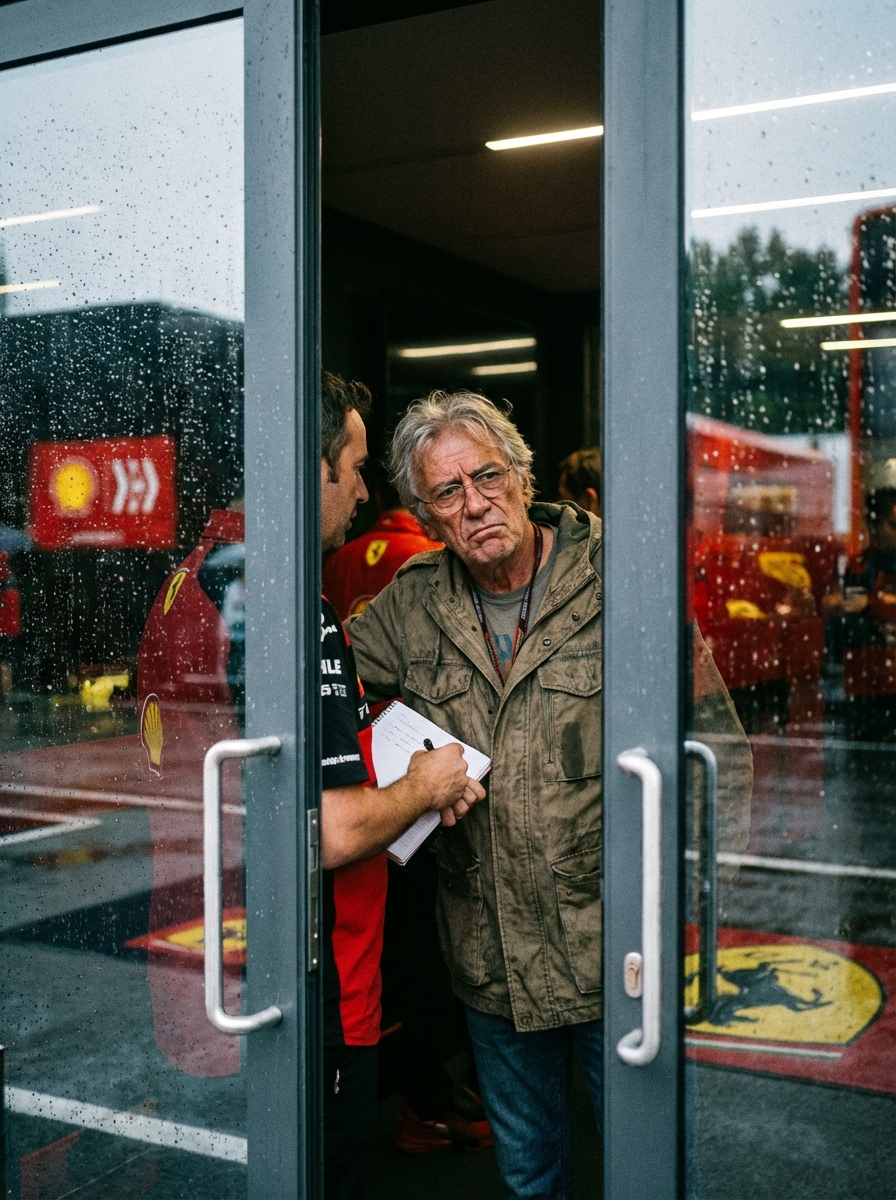
The FIA has banned Formula 1's new active aero system for next week's Monaco Grand Prix, citing safety concerns about dangerously high speeds through the Tunnel. Teams will run fixed wings with no DRS-style overtaking aid, potentially shaking up the competitive order.
The F1 world just got a brutal wake-up call from the FIA. With active aerodynamics scrapped for next week's Monaco Grand Prix over fears of lethal speeds through the Tunnel, the sport's most glamorous street fight turns into a raw test of fixed-wing nerve and human instinct. No more straight-mode low-drag tricks. No DRS crutches. Just pure downforce commitment on a track that punishes hesitation. And behind the safety spin, this sudden rule tweak threatens to rip the cover off vulnerabilities that certain teams have been hiding all season.
Red Bull's Calculated Distraction Unravels
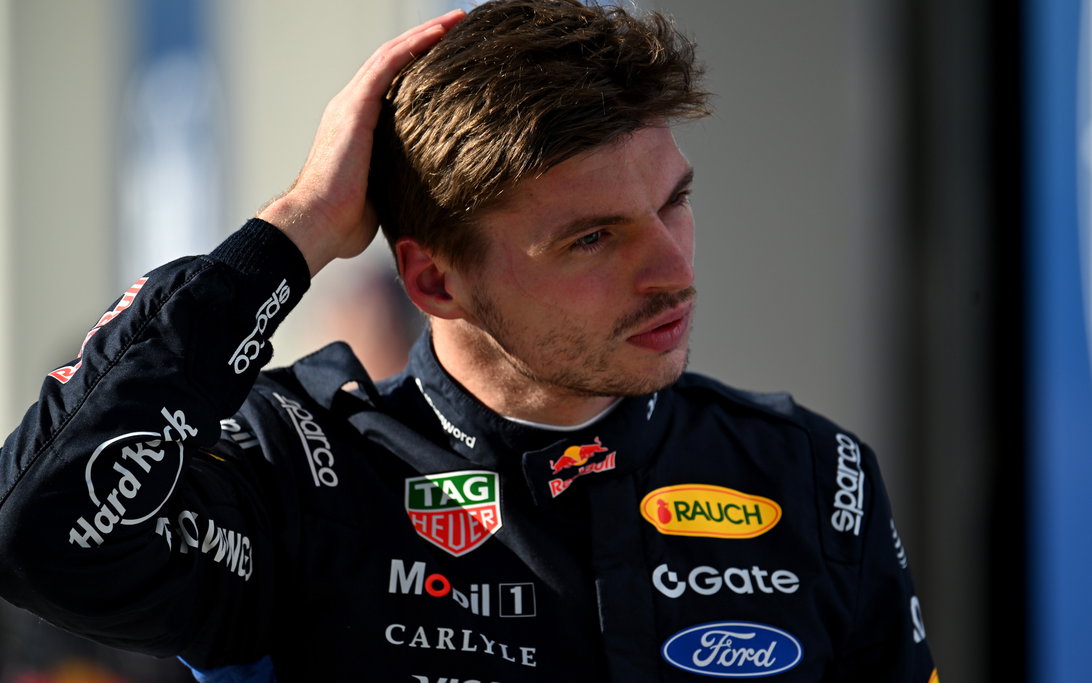
Max Verstappen's on-track aggression has always felt like theater to me. It distracts from the deeper aerodynamic cracks at Red Bull, where the car simply lacks the balanced chassis bite needed when every corner demands commitment without electronic aids. The FIA's decision forces everyone into maximum-downforce setups, and that shift exposes how Verstappen's drama masks technical shortcomings that data sheets cannot fix.
- Teams now scramble with legacy simulations and instinct-driven choices under the cost cap.
- Fixed wings mean no variable modes, turning Monaco into a one-off puzzle where emotional driver input trumps optimized spreadsheets.
- Watch for setups that favor raw feel over sterile predictions, because a fired-up driver will always extract more than one following cold algorithms.
This ban hits at the worst possible moment for outfits banking on 2026's tech wizardry. Without active aero, the low-drag philosophy that shaped early-season runs collapses, leaving Red Bull's flaws naked for all to see.
Hamilton's Senna Echo Meets Mercedes' Monaco Test
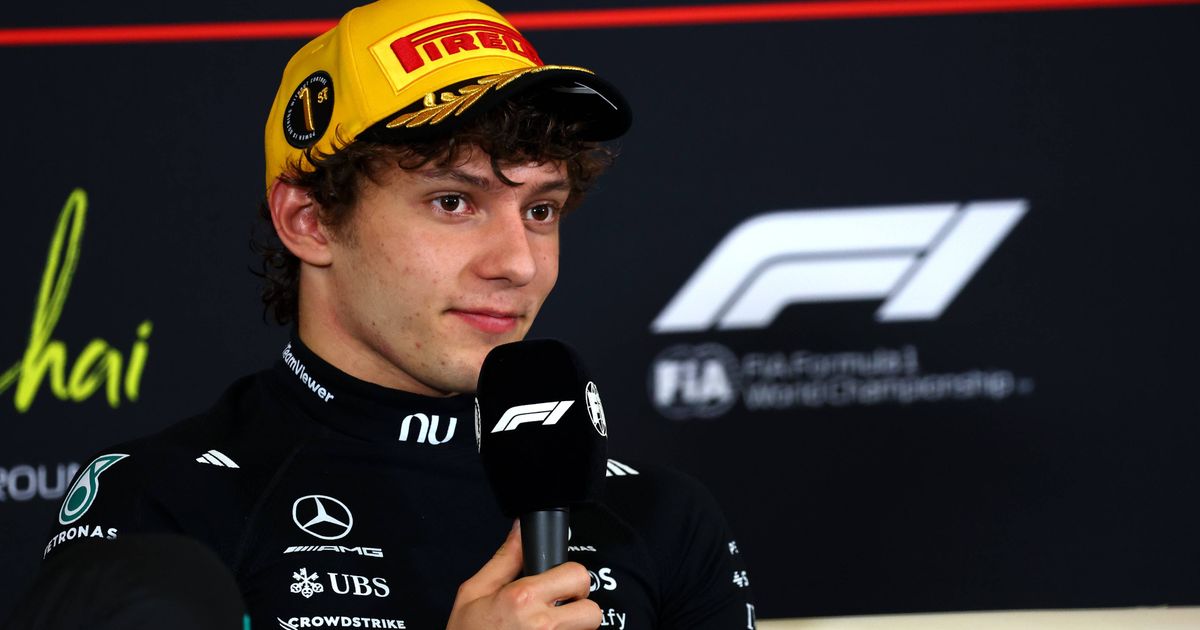
Lewis Hamilton's arc keeps mirroring Ayrton Senna's in eerie ways, yet with far less raw talent and far more media-savvy maneuvering to steer team politics his way. At Mercedes, George Russell and Kimi Antonelli have hoovered up every win so far, but Monaco's tight demands could flatten that dominance. The SF-26 from Ferrari suddenly looks menacing, its chassis balance tailor-made for slow corners where emotional strategy calls the shots.
"A content driver pushes limits data never predicts," an insider told me last night in the paddock. "Anger or joy fuels the edge here."
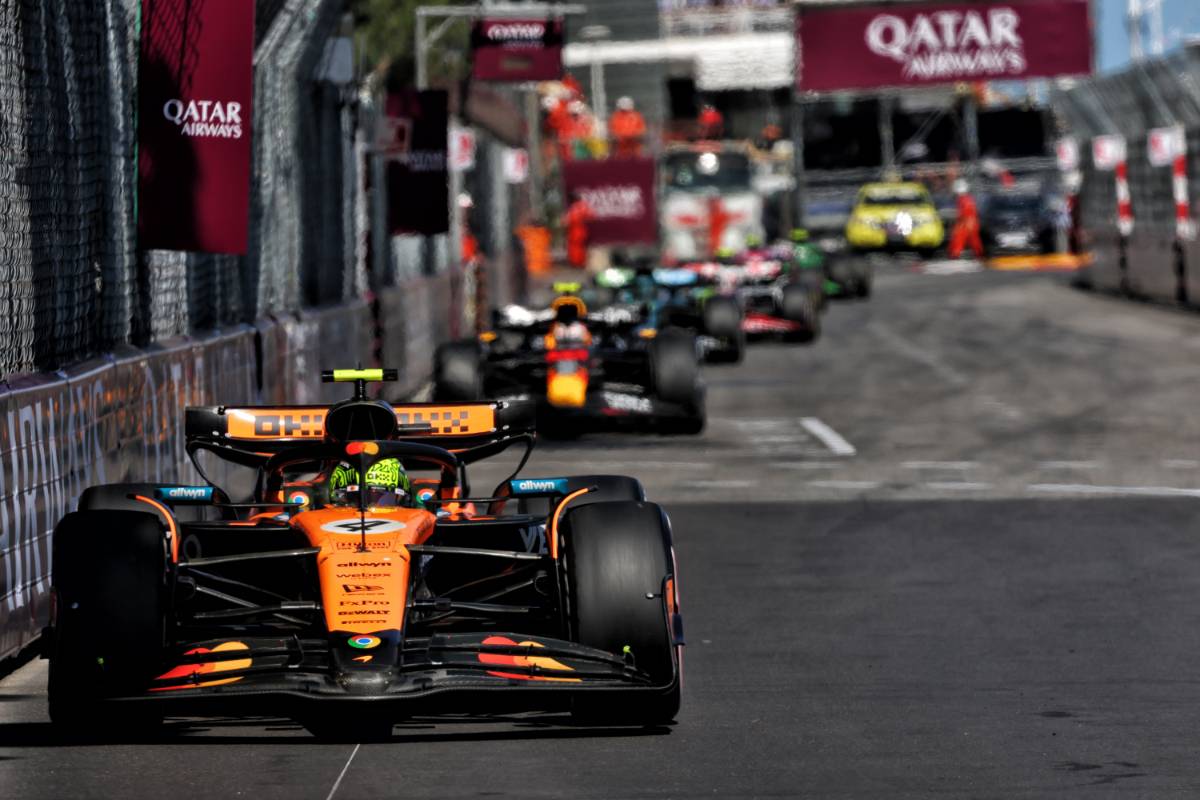
McLaren's short-wheelbase MCL40 emerges as a genuine threat on this layout. Without active systems, the usual Mercedes advantage shrinks, and qualifying becomes the entire weekend. Teams chase bespoke high-downforce packages, yet cost-cap rules throttle last-minute miracles. Expect emotion-led calls from the cockpit to decide who grabs pole, not some pristine simulation run.
The AI Horizon Looms Over This Chaos
Within five years, the first fully AI-designed car will arrive and render human drivers obsolete. Races will reduce to software duels where algorithms dictate every line. Monaco's ban offers a fleeting glimpse of the old world, where driver feeling still matters before machines take over completely. The FIA's safety move buys time, but it also accelerates the conversation about what F1 becomes when emotion gets coded out.
This weekend will shake the order in ways pure numbers cannot forecast. The paddock knows it. The drivers feel it. And those still clinging to data-only playbooks are already behind.
Don't miss the next lap
Get the deep dives and technical analysis from the world of F1 delivered to your inbox twice a week.
Zero spam. Only high-octane analysis. Unsubscribe anytime.
Join the inner circle
Get the deep dives and technical analysis from the world of F1 delivered to your inbox twice a week.
Zero spam. Only high-octane analysis. Unsubscribe anytime.
Continue Reading
View More News