FIA Explains Why Mercedes Avoided Penalty Over W17 Front Wing
The FIA did not penalize Mercedes for a flexing front wing on the W17, determining it was an unintentional mechanical fault with no performance gain. The governing body emphasized a consistent, cooperative approach to minor technical irregularities as teams adapt to new regulations, asking for a fix rather than issuing a penalty.
The FIA has clarified its decision not to penalize Mercedes for a non-compliant front wing on its W17 car, citing a flexible and consistent approach to minor technical irregularities under new regulations. The governing body accepted the team's explanation that the issue was an unintentional mechanical fault, not a deliberate attempt to gain performance.
Why it matters:
This incident highlights the FIA's practical enforcement philosophy in a complex technical era. By choosing dialogue over immediate penalties for minor, non-malicious breaches, the governing body aims to foster cooperation and continuous adaptation, especially as teams navigate new aerodynamic rules. It sets a precedent for how similar marginal compliance issues might be handled moving forward.
The details:
- The controversy emerged after the Chinese Grand Prix, where observers noted the W17's front wing exhibited a two-stage flexing motion, potentially exceeding the 400-millisecond limit set by the technical regulations.
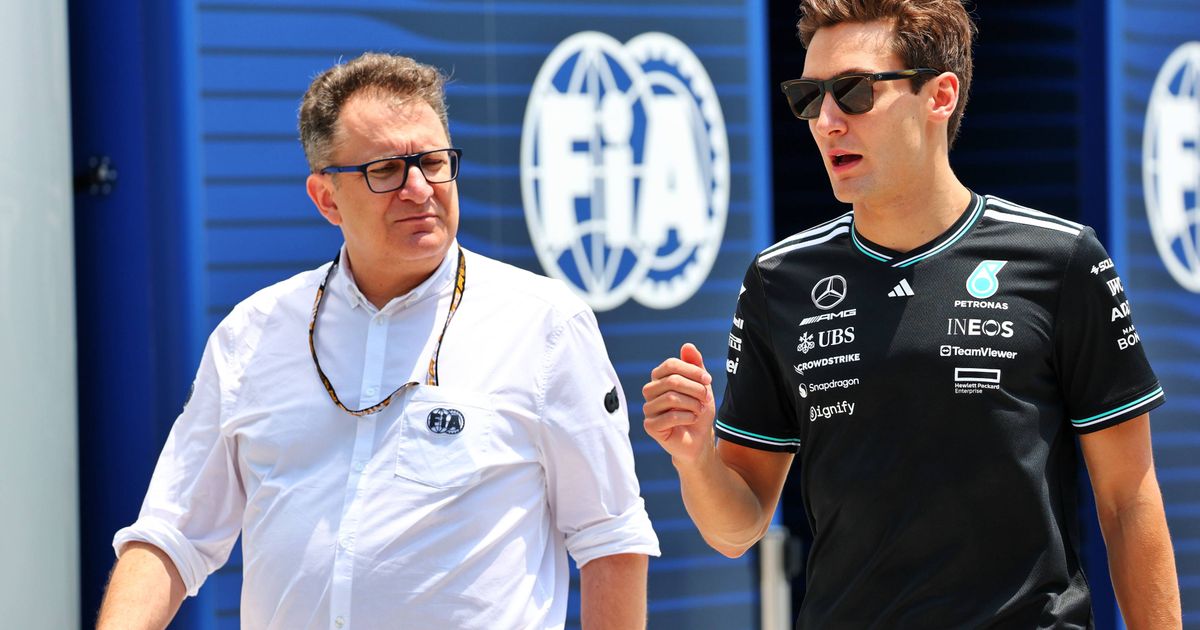
- FIA Single-Seater Director Nikolas Tombazis stated the issue was treated as a "small irregularity" common during periods of regulatory adaptation. The approach is to avoid escalating every minor issue to the stewards.
- Key Determination: The FIA concluded there was no deliberate intent and no evidence of performance exploitation. They classified it as a mechanical problem, similar to issues experienced by other teams.
- Mercedes' Response: Although no formal investigation was opened, Mercedes introduced a modification to the component ahead of the Japanese Grand Prix to ensure full compliance, reportedly linked to a reliability concern.
- Tombazis emphasized the resolution process: once identified and deemed non-performance related, teams are asked to fix the issue, turning a potential "major case" into a straightforward engineering correction.
What's next:
This decision reinforces the FIA's stated hands-on, collaborative approach to technical governance. While visible irregularities will always attract scrutiny, the focus remains on intent and effect. Teams can expect this consistent methodology for minor breaches, but the FIA's stance likely remains firm on clear, deliberate violations. As development continues, the balance between innovation and strict regulation will be tested further.
Don't miss the next lap
Get the deep dives and technical analysis from the world of F1 delivered to your inbox twice a week.
Zero spam. Only high-octane analysis. Unsubscribe anytime.
Join the inner circle
Get the deep dives and technical analysis from the world of F1 delivered to your inbox twice a week.
Zero spam. Only high-octane analysis. Unsubscribe anytime.