FIA, F1 urged to be 'independent voice' in critical 2026 regulation talks
As F1 prepares for critical talks on 2026 car safety, experts stress the need for the FIA and F1 to serve as a neutral force. The discussions, sparked by crash concerns, must navigate team politics and technical complexities to find fair solutions for unpredictable closing speeds and energy deployment.
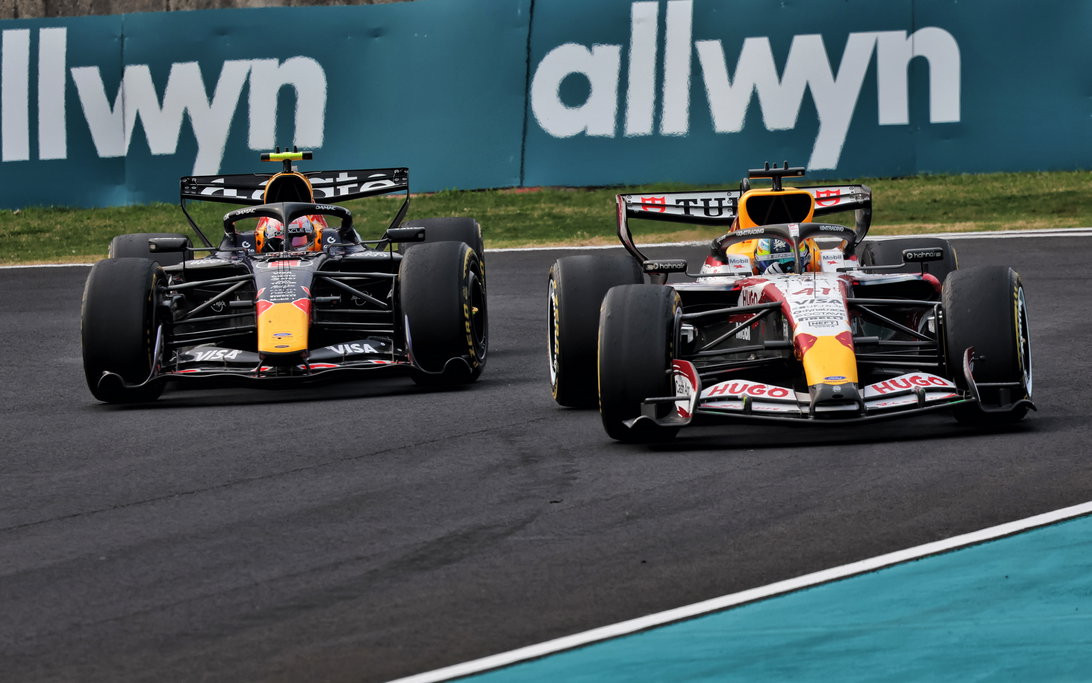
Ahead of crucial meetings to address safety and performance concerns with the 2026 Formula 1 cars, pundits are calling for the FIA and F1 management to act as a strong, neutral arbiter amidst competing team agendas. The discussions, intensified by Oliver Bearman's heavy crash in Japan, will focus on mitigating risks from high closing speeds and erratic energy deployment under the new power unit rules.
Why it matters:
The 2026 regulatory cycle represents a pivotal reset for the sport, but its success hinges on governance that prioritizes safety and sporting integrity over individual team advantages. With teams naturally advocating for solutions that favor their own car concepts, a failure of the FIA and F1 to provide independent oversight could lead to compromised regulations, perpetuating current dangers and unfair competition.
The Details:
- The Core Problem: The current focus is on qualifying performance, where aggressive energy harvesting and deployment create massive speed differentials between cars, a major safety concern highlighted by recent incidents.
- Proposed Solutions: Former F1 strategist Bernie Collins outlined two primary technical fixes being debated:
- Reducing Battery Recharge: Limiting how much energy can be harvested per lap, which would lower overall lap times—a potentially unpopular outcome.
- Increasing Fuel Flow: Boosting the power from the internal combustion engine (ICE) to reduce reliance on complex battery harvesting and deployment, creating more predictable racing similar to 2023.
- The Fairness Hurdle: Collins warned that increasing fuel flow is not an equalizer. Teams have different fuels, radiator setups, and engine mappings, meaning any change would advantage some and severely handicap others based on their initial design choices.
- The Political Challenge: As noted by Carlos Sainz and echoed by Karun Chandhok, driver safety concerns can be drowned out by team politics. Each squad enters negotiations with a solution that aligns with its own competitive position, making a unified stance difficult.
What's next:
The F1 Commission meets on April 9th, with further talks scheduled before the Miami Grand Prix in early May. The effectiveness of these sessions will be tested by the governing bodies' ability to synthesize team input into coherent, impartial regulations. The outcome will set the tone for the 2026 car development phase and determine if the sport can proactively address safety flaws rather than reacting to another major incident.
Don't miss the next lap
Get the deep dives and technical analysis from the world of F1 delivered to your inbox twice a week.
Zero spam. Only high-octane analysis. Unsubscribe anytime.
Join the inner circle
Get the deep dives and technical analysis from the world of F1 delivered to your inbox twice a week.
Zero spam. Only high-octane analysis. Unsubscribe anytime.
Continue Reading
View More News