FIA Implements Late Energy Rule Change for Japanese GP Qualifying
Responding to widespread criticism, the FIA has reduced the permitted energy recharge in qualifying from 9MJ to 8MJ for the Japanese GP. The last-minute change aims to limit the 'lift-and-coast' and 'super-clipping' tactics that have defined the new 2026 era, allowing drivers to attack the circuit more traditionally.
The FIA has moved swiftly to address driver and fan criticism of the new 2026 power unit regulations, reducing the amount of energy cars can recharge during a qualifying lap from 9MJ to 8MJ for this weekend's Japanese Grand Prix. The change, made with unanimous support from all power unit manufacturers, aims to curb the prevalent 'lift-and-coast' and 'super-clipping' tactics that have dominated the early season, allowing drivers to attack the Suzuka circuit in a more traditional manner.
Why it matters:
The 2026 regulations introduced a radically different driving style focused on strategic energy harvesting, which many drivers have criticized as unintuitive and counter to pure performance. This immediate, targeted adjustment shows the FIA and teams are willing to make in-season refinements to preserve the spirit of qualifying as a flat-out challenge, responding directly to feedback from the grid.
The details:
- The maximum permitted energy recharge for a single qualifying lap has been reduced from 9.0 Megajoules (MJ) to 8.0 MJ.
- This directly targets the practices of 'lift-and-coast' (lifting off the throttle early to regenerate energy) and 'super-clipping' (where the electrical system siphons power from the combustion engine, reducing speed even at full throttle).
- The FIA stated the change is a "targeted refinement" to maintain the intended balance between energy deployment and driver performance, following operational success in the first two events.
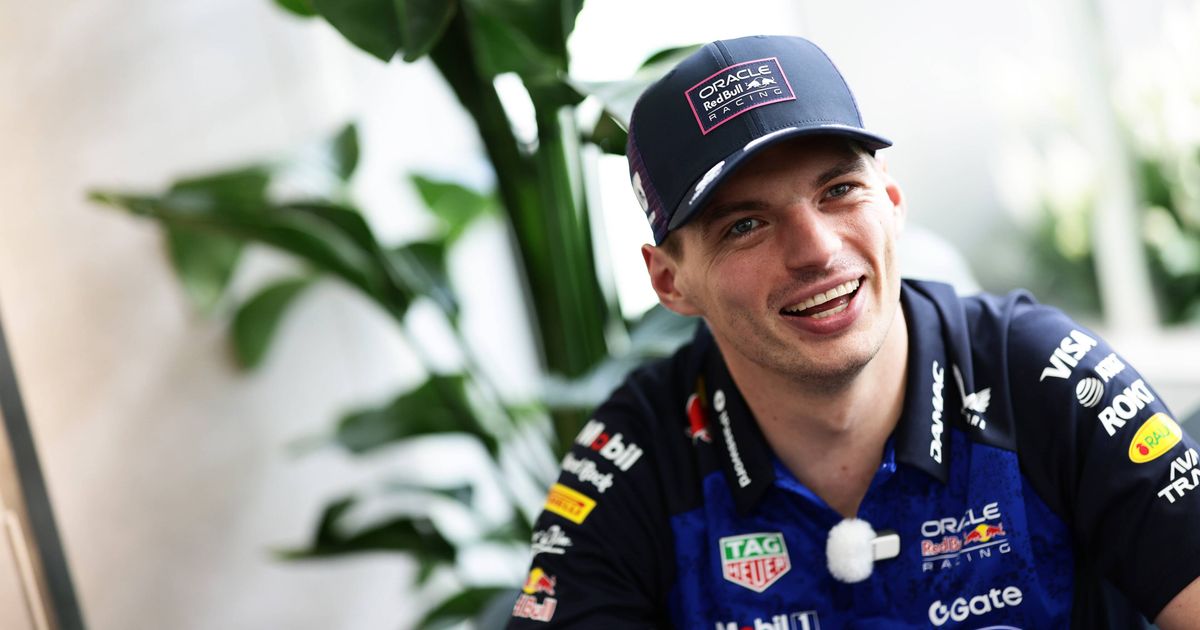
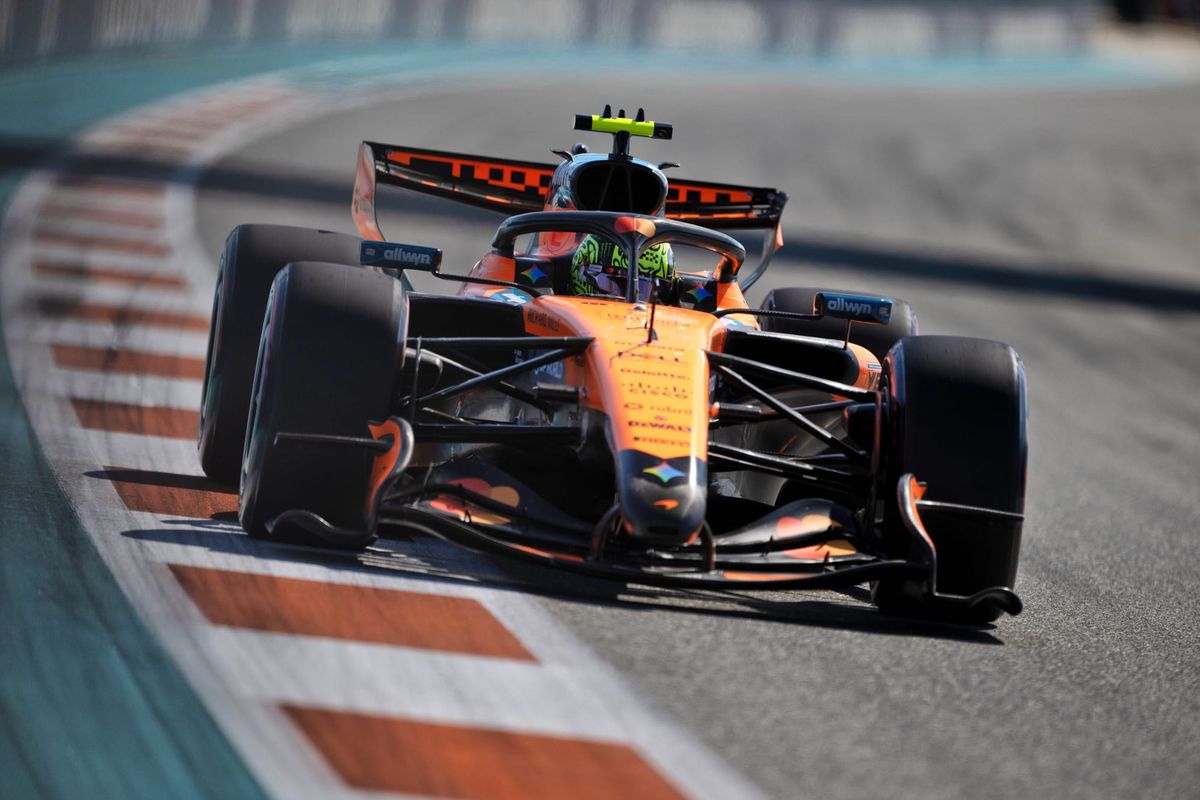
- Drivers like Max Verstappen and Oscar Piastri have been vocal critics, comparing the driving style to a video game and labeling it unintuitive.
What's next:
This adjustment currently applies only to the Japanese Grand Prix weekend, but it sets a precedent for further in-season evolution. The FIA confirmed that discussions on energy management will continue in the coming weeks, indicating this is likely the first of several tweaks as the sport gathers more real-world data on the 2026 regulations. The focus will now be on how effectively the change reduces artificial speed reductions on straights and restores a more conventional qualifying spectacle at Suzuka.
Don't miss the next lap
Get the deep dives and technical analysis from the world of F1 delivered to your inbox twice a week.
Zero spam. Only high-octane analysis. Unsubscribe anytime.
Join the inner circle
Get the deep dives and technical analysis from the world of F1 delivered to your inbox twice a week.
Zero spam. Only high-octane analysis. Unsubscribe anytime.
Continue Reading
View More News