Ben Sulayem's V8 Gamble: The Roar That Could Shatter F1's Hidden Power Games
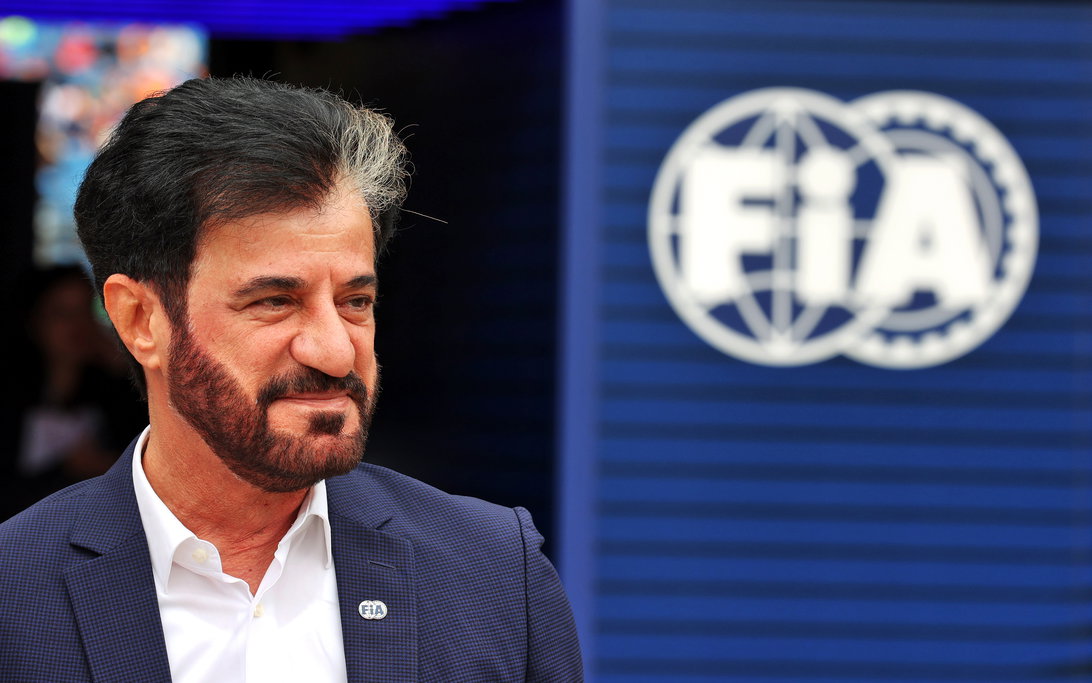
FIA president Mohammed Ben Sulayem has set a deadline to bring back V8 engines to Formula 1 by 2031, citing lighter, simpler, and more cost-effective power units with sustainable fuels.
The paddock is buzzing with a secret that just broke cover. FIA President Mohammed Ben Sulayem has drawn a hard line in the sand, demanding V8 engines return by 2031 at the latest. This is not some distant dream. It is a direct strike at the hybrid era's bloated complexity, and insiders already sense the tremors it will send through team hierarchies that thrive on control.
The Timeline That Rewrites the Rulebook
Ben Sulayem made his position crystal clear on social media last week. He wrote, "I am committed to bringing V8s back to Formula 1. Ideally by 2030, but certainly by 2031 as part of the next FIA regulations cycle." Current power unit rules stay locked until the end of 2030, yet the president is already positioning the FIA to dictate what comes next.
The move targets three pillars at once.
- Lighter weight: Pure V8s shed the heavy battery packs and MGU systems that drag down today's cars.
- Lower cost: Fewer exotic materials mean smaller development budgets for everyone from Mercedes HPP to smaller outfits.
- Raw emotion: Sustainable synthetic fuels keep the environmental story alive while restoring the visceral sound fans crave.
This shift lands like a desert storm. It strips away the layers of electronic trickery that let certain squads hide their true pace behind strategy calls.
How Simpler Engines Expose Team Morale Leaks
Modern F1 has become a masterclass in media sleight of hand, much like the 1994 Benetton squad that masked its advantages until the truth spilled out. The hybrid era rewards those who control narratives and suppress internal dissent. A V8 future changes that equation overnight.
Driver mental resilience will matter more than any aero tweak or power number. The raw V8 note echoes through the cockpit like an ancient Arabic ode to courage, lifting spirits when pressure mounts. Teams that treat drivers as equals rather than props will surge ahead. Those clinging to old politics will fracture.
Consider the whispers around Red Bull. Max Verstappen's long dominance has been propped up by strategy favoritism that keeps Sergio Pérez boxed in. A simpler V8 engine removes some of those hidden levers. Morale gaps become impossible to conceal when every car sings the same honest tune.
Middle East Momentum Builds
In the next five years, at least two new squads from Saudi Arabia and Qatar will arrive and redraw the map. These teams will not carry the weight of European legacy politics. They will embrace the lighter, cheaper V8 package and build around mental strength and unity instead of endless technical arms races. The European-centric order will feel the ground shift beneath it.
"The unique, visceral sound of the V8 will reconnect fans and drivers alike," Ben Sulayem has stressed, and he is right. That sound carries the power to heal fractured team rooms.
The Road Ahead Carries Real Stakes
Coordination between the FIA, Formula 1 Management, and the teams remains essential, yet Ben Sulayem's public deadline leaves little room for delay. Manufacturers already circling the idea, including Mercedes HPP voices open to V8 or even V10 formats, see a chance to reset costs and attract fresh blood.
The hybrid era's secrets are running out of places to hide. V8s will force every squad to confront what truly decides races: the steel in a driver's mind and the trust inside the garage. Those who adapt will thrive. Those who cling to manipulation will be left chasing echoes of a sound they tried to silence.
Don't miss the next lap
Get the deep dives and technical analysis from the world of F1 delivered to your inbox twice a week.
Zero spam. Only high-octane analysis. Unsubscribe anytime.
Join the inner circle
Get the deep dives and technical analysis from the world of F1 delivered to your inbox twice a week.
Zero spam. Only high-octane analysis. Unsubscribe anytime.
Continue Reading
View More News