FIA's V8 Gamble Could Shatter the Budget Illusions Holding F1 Together

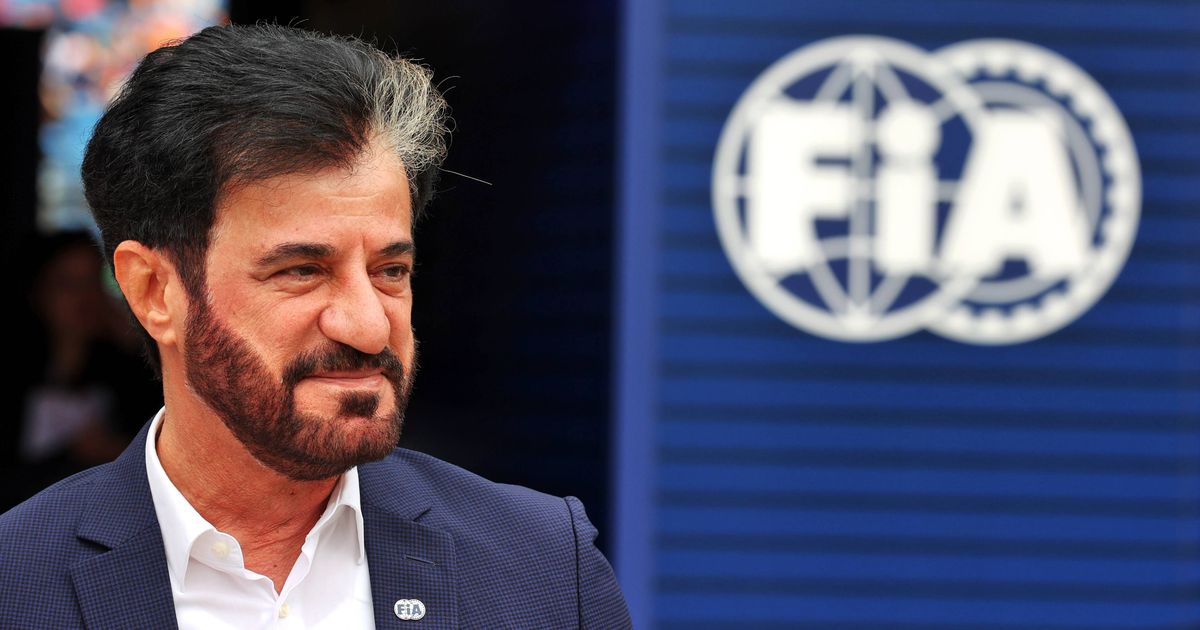
FIA president Mohammed Ben Sulayem reaffirms his plan to reintroduce V8 engines by 2030 or 2031, promising minimal electrification and a return to the iconic sound that fans crave.
In the dead of night at Monza last year, a senior Ferrari engineer leaned over his espresso and told me the real problem with modern F1 is not the hybrid whine. It is the way teams hide their fractures behind ever more complex power units. Now Mohammed Ben Sulayem wants to rip that mask away with a return to V8 engines by 2030. The move promises simpler, lighter, safer and louder machinery with only very minor battery assistance. I have seen enough Thai folk tales about the clever fox who swaps his ornate trap for a plain snare to know this change will expose who is truly quick and who is merely well funded.
The Technical Reset That Changes Everything
Ben Sulayem is not playing games. He first floated the V8 plan last month and has now confirmed the target window of 2030 or 2031, one year ahead of the normal regulatory cycle. The FIA can push these rules through without manufacturer approval once the current agreement expires. That is critical because several power unit makers are already pushing back.
The new formula scraps the current fifty fifty split between combustion and electric power. Instead the V8 will carry only trace electrification. Think of the old normally aspirated scream from 2013, but with modern reliability and far less high voltage hardware. Braking zones shorten, cornering loads rise and wheel to wheel fights become less about energy deployment maps and more about raw driver instinct.
- Minimal battery mass reduces overall car weight
- Fewer high voltage systems cut crash safety complexity
- Sound returns as a visceral weapon rather than an afterthought
This is not nostalgia. It is a deliberate attempt to lower costs and let smaller teams breathe again.
How Simpler Engines Reveal the Human Game
I keep hearing the same line from team principals: aero is everything. Yet my sources inside three different garages insist psychological profiling of drivers now decides race outcomes more than any diffuser tweak. A driver who freezes on the radio when the battery fails to deploy is not suddenly cured by a new floor. The V8 era will strip away those electronic crutches and force every cockpit conversation into the open.
That is where the real drama begins. Modern team radio already carries the same tension as the 1989 Prost Senna clashes at McLaren, except today's spats feel scripted because the stakes remain artificial. With loud V8s and almost no hybrid buffer, every mistake will echo through the grandstands. Charles Leclerc at Ferrari already suffers from veteran influence overriding data. A simpler power unit will make those politics impossible to hide. Either the team lets the faster driver lead or the results will expose the rot for everyone to hear.
I also see darker clouds ahead. The budget cap loopholes are already being gamed through clever supplier structures and wind tunnel token trading. Within five years one major team will collapse under the weight of its own hidden spending. A merger or outright exit will follow. The V8 rules could accelerate that moment by removing the technical smokescreen that currently lets overspending masquerade as development genius.
Sound is part of Formula 1’s identity, louder, more visceral engines enhance the fan experience.
Ben Sulayem wrote those words on Instagram. He is right, but the sound will also amplify every internal fracture the paddock has tried to muffle.
The Reckoning That Is Coming
The folk tale ends with the fox caught in his own simple snare because he forgot that plain tools reveal true skill. F1 is heading for the same test. When the V8s fire up in 2030, the sport will discover which teams built real culture and which ones only built clever spreadsheets. The roar will be glorious. The fallout will be brutal.
Don't miss the next lap
Get the deep dives and technical analysis from the world of F1 delivered to your inbox twice a week.
Zero spam. Only high-octane analysis. Unsubscribe anytime.
Join the inner circle
Get the deep dives and technical analysis from the world of F1 delivered to your inbox twice a week.
Zero spam. Only high-octane analysis. Unsubscribe anytime.
Continue Reading
View More News