FIA's decision not to investigate Colapinto in Bearman crash draws scrutiny
The FIA's choice not to investigate Williams driver Franco Colapinto for his sudden move that caused Oliver Bearman's violent crash at Suzuka is under scrutiny. Critics argue that while new F1 regulations create dangerous speed differentials, driver responsibility cannot be ignored, setting a contentious precedent for future incidents.
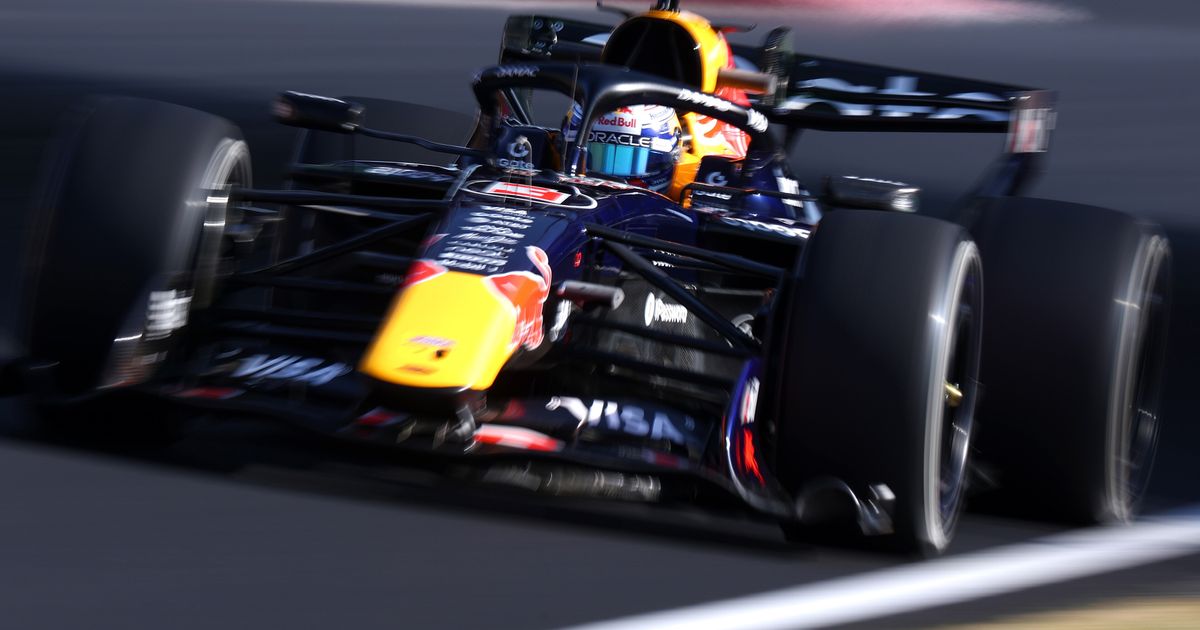
The FIA's decision not to investigate Franco Colapinto for his role in Oliver Bearman's high-speed crash at Suzuka has sparked debate, with critics arguing the move is difficult to justify despite the complicating factor of new regulations creating extreme speed differences. While the regulatory context played a part, Colapinto's sudden and aggressive move on the straight eliminated Bearman's escape route, turning him into a passenger before a violent impact.
Why it matters:
This incident tests the balance between driver accountability and the inherent risks created by Formula 1's technical regulations. The FIA's choice to avoid assigning blame, likely to avoid inflaming debate over the new rules, sets a precedent for how similar inevitable high-speed incidents will be judged. It raises a fundamental question: to what extent can drivers be held responsible when the regulations themselves create dangerous situations?
The details:
- The crash occurred when Colapinto, having effectively stalled on the straight, made a sudden and aggressive move to the left just as Bearman approached at a much higher speed.
- This action closed off Bearman's only escape route, forcing him onto the grass and making the collision unavoidable.
- A Near-Miss Precedent: Earlier in the same race, a similar scenario unfolded safely when George Russell slowed abruptly. Charles Leclerc navigated it without incident because Russell held his line predictably, contrasting sharply with Colapinto's reaction.
- Regulatory Context: The 2026 aerodynamic regulations are acknowledged to create massive speed differentials between cars on different phases of their lap (e.g., cooling down versus pushing), making such encounters more likely.
- Driver Reaction: Colapinto described the situation as "really odd," noting the extreme speed delta made it feel like one car was on an out-lap and the other on a qualifying run. He expressed relief that Bearman was unharmed.
What's next:
The FIA has stated there will be no "knee-jerk" reaction to the regulations following this crash, emphasizing a need for collected analysis. However, this incident, which Fernando Alonso had warned about before the race, will undoubtedly intensify the ongoing discussion about safety trade-offs in the new regulatory era. While the outcome was fortunate this time, the pressure is on both the governing body and drivers to learn from the event to prevent a repeat with more severe consequences.
Don't miss the next lap
Get the deep dives and technical analysis from the world of F1 delivered to your inbox twice a week.
Zero spam. Only high-octane analysis. Unsubscribe anytime.
Join the inner circle
Get the deep dives and technical analysis from the world of F1 delivered to your inbox twice a week.
Zero spam. Only high-octane analysis. Unsubscribe anytime.
Continue Reading
View More News