FIA, teams unanimously vote to tweak 2026 F1 regulations
In response to intense driver criticism over safety and raceability, the FIA and all F1 teams have unanimously voted to modify the 2026 technical regulations. The changes, focused on energy management, are expected to be implemented starting at the Miami Grand Prix in May.
Formula 1's governing body and all ten teams have unanimously agreed to implement immediate changes to the sport's controversial 2026 technical regulations. The tweaks, aimed at addressing driver safety concerns and improving raceability, are set to be introduced as early as the next race in Miami at the beginning of May.
Why it matters:
The swift, unanimous action represents a significant and rare moment of consensus in F1, underscoring the severity of the issues raised since the new regulations debuted. Drivers, led by vocal critics like Max Verstappen, had labeled the early 2026 racing as unpredictable and unsafe, creating a pressing need for the FIA to intervene to protect the sport's integrity and competitor safety before the situation escalated further.
The details:
- The decision followed a critical meeting on Monday between the FIA, Formula 1 management, and all team principals and CEOs, where the proposed changes were put to a vote.
- Driver feedback was a central catalyst. FIA President Mohammed Ben Sulayem confirmed "constructive and collaborative" talks with the drivers prior to the meeting, where they provided "invaluable input" on adjustments, particularly regarding energy management.
- The primary criticisms of the 2026 cars have focused on two major areas:
- Energy Deployment: The 50-50 split between electrical and internal combustion power has been criticized for creating erratic racing, with Verstappen famously comparing it to "Mario Kart."
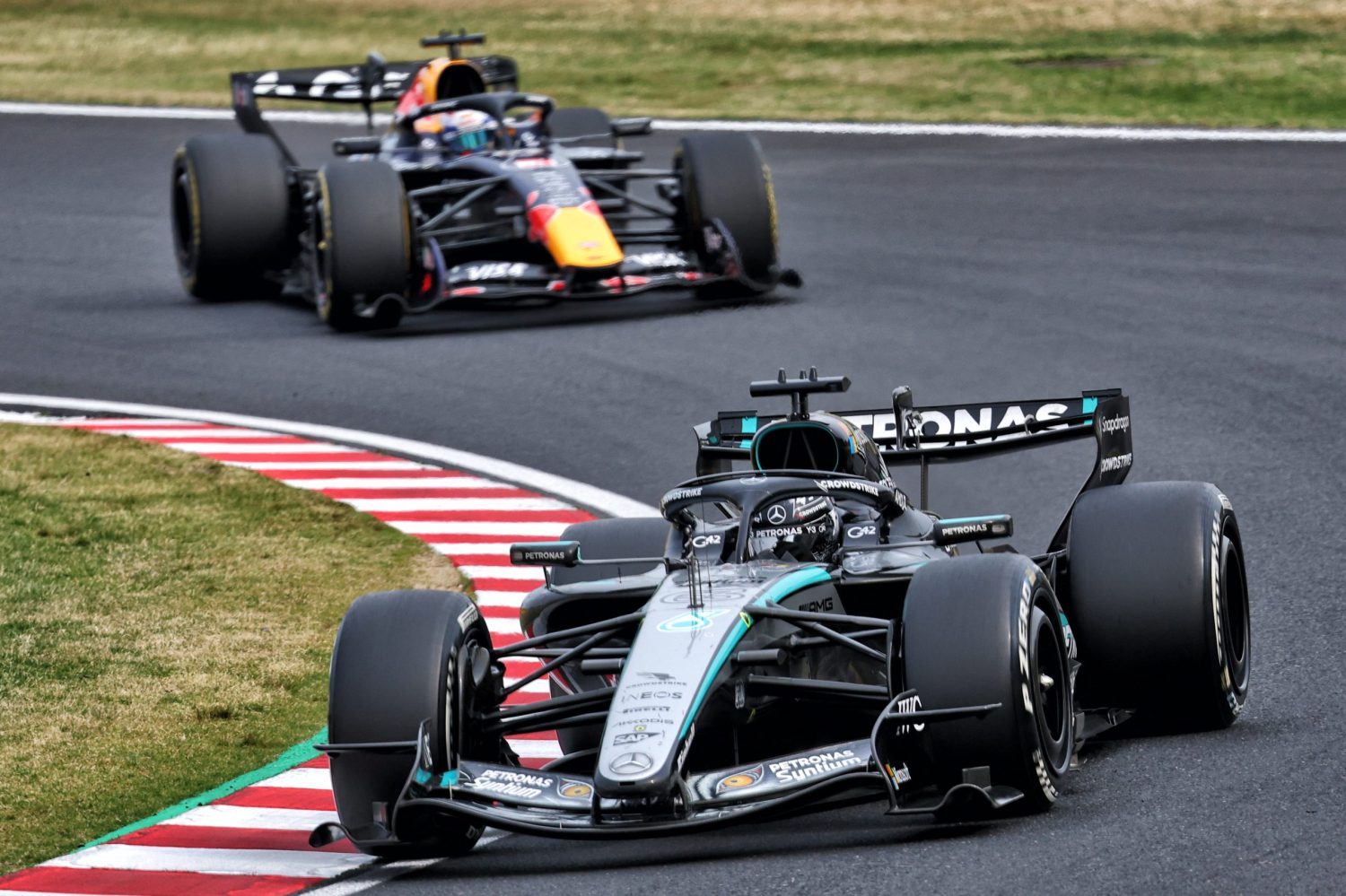
- Safety & Closing Speeds: Drivers expressed alarm over the drastic speed differences between cars deploying energy and those harvesting it, a concern tragically highlighted by Ollie Bearman's high-G crash in Suzuka after approaching a slow-moving car harvesting energy.
- The FIA had already held technical meetings with teams and power unit manufacturers in recent weeks to formulate the proposed solutions, with safety cited as the "main focus."
What's next:
The regulatory tweaks will be fast-tracked into competition, with the Miami Grand Prix in early May serving as the likely debut. This rapid implementation highlights the urgency felt by the stakeholders. While the exact technical details of the changes are still to be fully disclosed, the focus will squarely be on modifying the energy management protocols to ensure safer, more predictable, and fairer racing. This proactive move aims to stabilize the championship early in the new regulatory cycle and restore driver confidence.
Don't miss the next lap
Get the deep dives and technical analysis from the world of F1 delivered to your inbox twice a week.
Zero spam. Only high-octane analysis. Unsubscribe anytime.
Join the inner circle
Get the deep dives and technical analysis from the world of F1 delivered to your inbox twice a week.
Zero spam. Only high-octane analysis. Unsubscribe anytime.
Continue Reading
View More News