FIA tweaks energy rules for Suzuka qualifying as drivers defend 2026 cars' challenge
The FIA has reduced the energy recovery limit for qualifying at the Japanese GP to curb excessive battery management. Drivers welcome the step but insist Suzuka and the 2026 cars remain a supreme challenge, arguing the track's character can't be ruined by the regulations.
Ahead of the Japanese Grand Prix, the FIA reduced the maximum allowed energy usage in qualifying from 9 to 8MJ per lap, a move aimed at curbing excessive energy management tactics and restoring a more pure driving challenge at the iconic Suzuka circuit. While drivers welcome the step as being in the "right direction," they unanimously argue that the 2026-spec cars and the track itself remain an incredible and demanding test of skill, despite widespread criticism of the current qualifying format.
Why it matters:
The change targets a core frustration with the 2026 regulations: that qualifying has become more about intricate energy management than an all-out lap. By limiting the energy available for harvesting and deployment, the FIA hopes to reduce the amount of "super clipping" (harvesting at full throttle) and lift-and-coast, particularly on Suzuka's long straights leading into famous corners like 130R and the Esses. Preserving the character of these legendary sequences is seen as crucial for the sport's spectacle.
The details:
- The technical directive, issued just before the weekend, is estimated to significantly reduce energy management actions but will only have a small impact on overall lap time.
- Drivers had expressed concern that critical, high-speed corners were no longer about pure bravery but about battery management.
- Driver Reactions: The tweak was met with cautious optimism.
- Audi's Gabriel Bortoleto called it "a small help" but noted the tactics would not disappear completely, emphasizing that the cars are still "rocket ships" and Suzuka is "definitely enjoyable."
- Haas's Esteban Ocon suggested it might eliminate lift-and-coast for his Ferrari-powered car but stressed that lower downforce will keep corners like Degner a serious challenge, stating, "it's still going to be bravery."
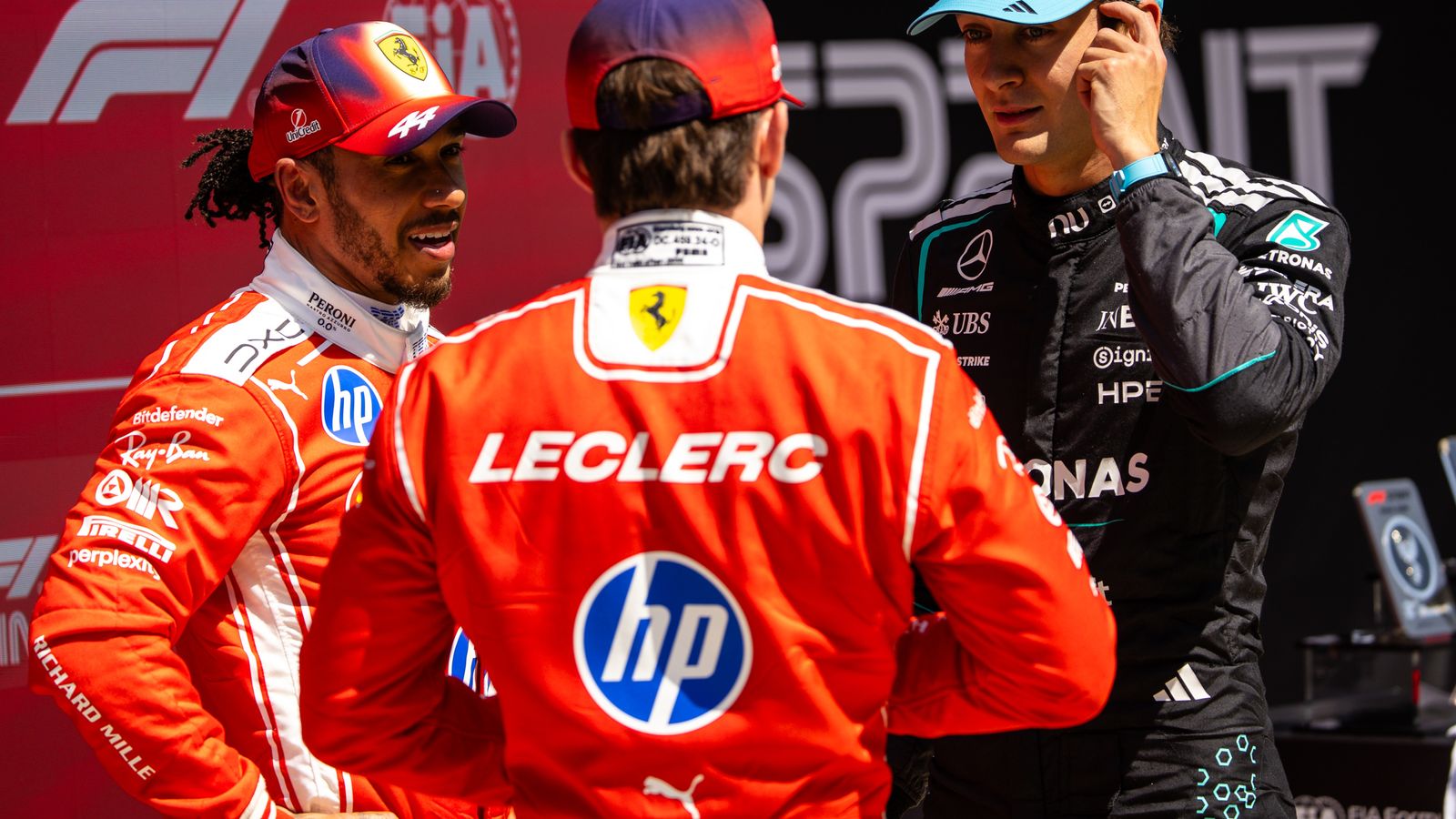
- Charles Leclerc shared that his simulator feedback showed it was "a shame" how corners like the Spoon Curve had become energy management exercises, and he hopes the change "can bring back the character of these corners."
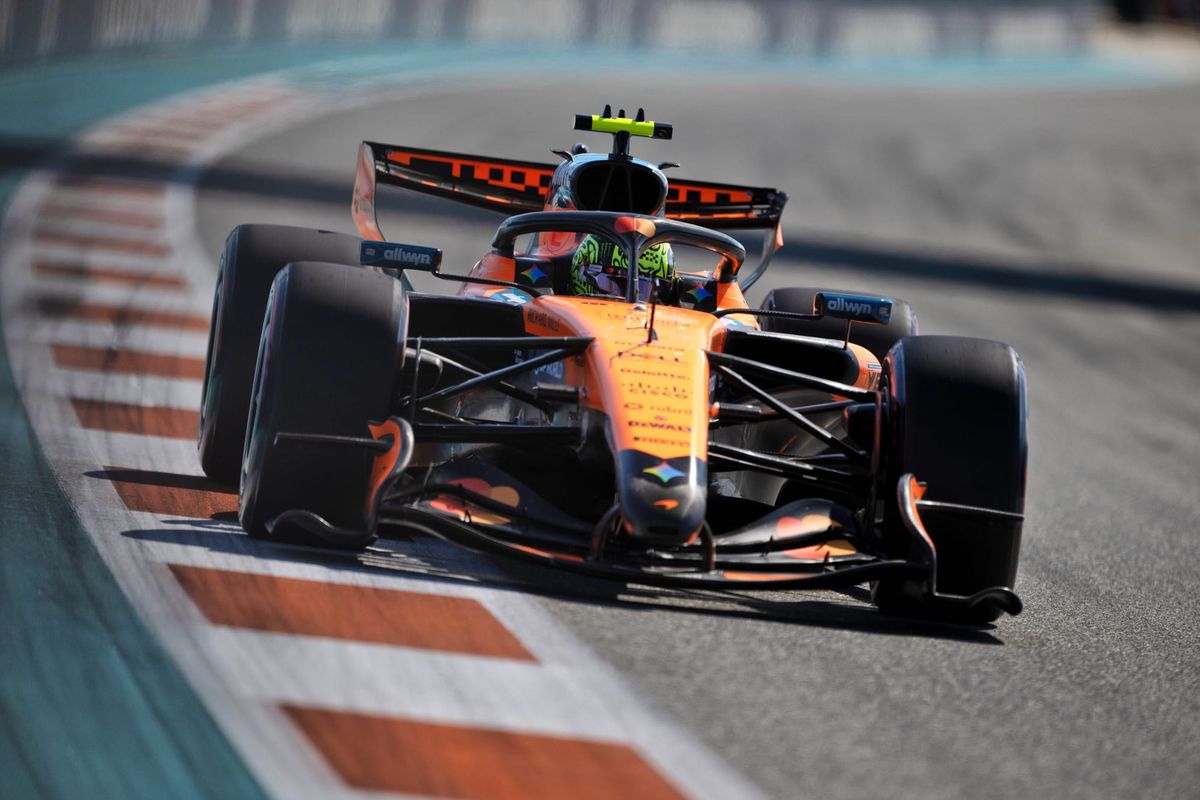
- The Unruinable Track: Reigning champion Lando Norris captured the prevailing sentiment, asserting, "I don’t think you can ever ruin this track." He admitted it may be less "spectacular" in some places—noting he didn't even brake for Spoon Curve last year—but concluded it remains "an incredible track to drive."
What's next:
The effectiveness of this minor adjustment will be proven in Saturday's qualifying session. It represents an ongoing, reactive effort by the FIA to refine the 2026 rules package in response to driver and fan feedback. While not a complete solution, it signals a willingness to make iterative changes to improve the show. The ultimate test will be whether drivers feel they can attack Suzuka's iconic corners with more freedom and less calculation, restoring qualifying to its rightful place as the ultimate single-lap showdown.
Don't miss the next lap
Get the deep dives and technical analysis from the world of F1 delivered to your inbox twice a week.
Zero spam. Only high-octane analysis. Unsubscribe anytime.
Join the inner circle
Get the deep dives and technical analysis from the world of F1 delivered to your inbox twice a week.
Zero spam. Only high-octane analysis. Unsubscribe anytime.