FIA Warns Teams Against Exploiting New Start Safety System
The FIA is trialing a new safety system to help drivers recover from failed race starts by allowing early MGU-K deployment. While backing off from an initial plan for automatic drive-through penalties, the governing body has warned teams it will impose severe sanctions if the system is exploited for competitive gain, stressing it is solely a safety measure.
The FIA is testing a new safety system to help drivers recover from disastrous race starts but has issued a stern warning to teams against trying to game it for a competitive advantage. The governing body initially proposed automatic drive-through penalties for any driver triggering the system but has stepped back following team feedback, reserving the right to impose harsh sanctions if exploitation is detected.
Why it matters:
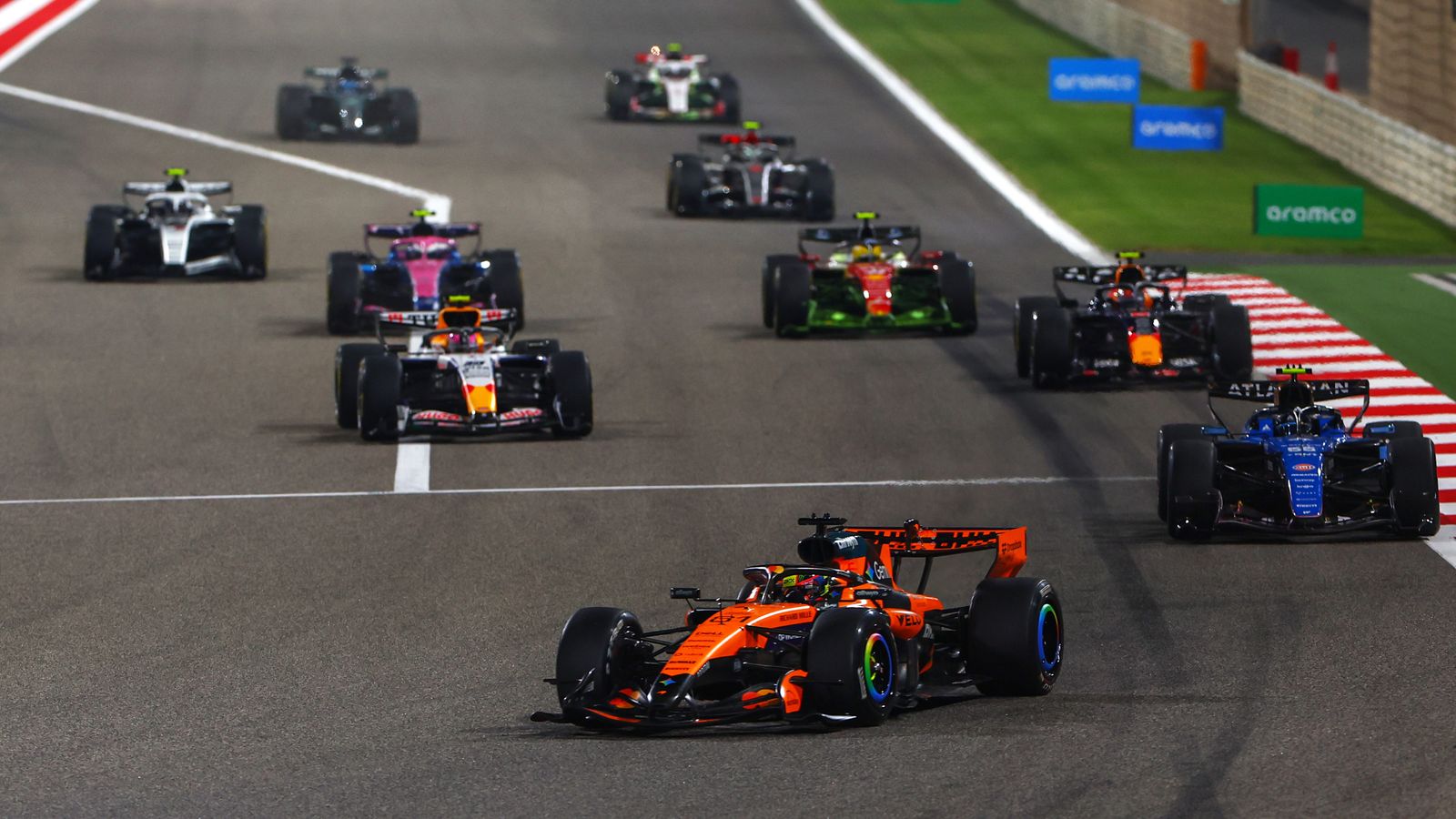
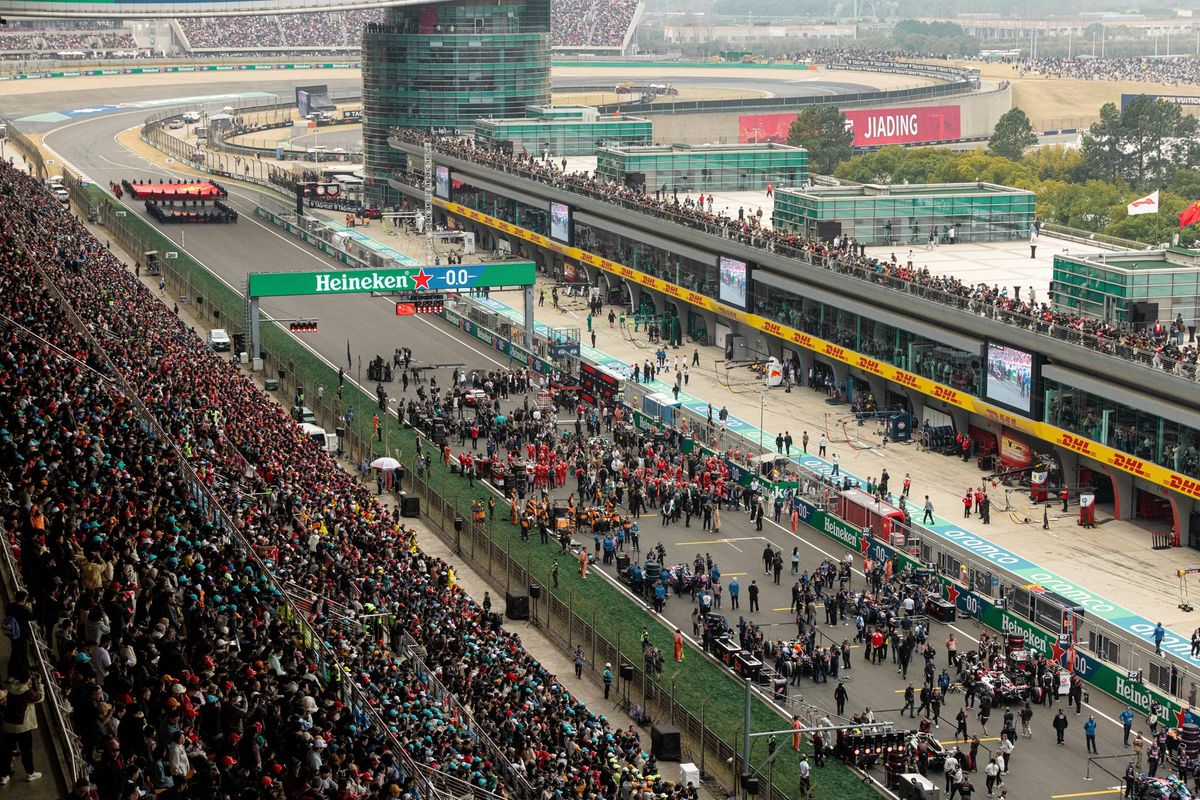
Race start failures, where a car is left nearly stationary on the grid, pose a significant safety risk to the driver and others. This system aims to mitigate that danger. However, by allowing the MGU-K to deploy energy below the normal 50 km/h threshold, it creates a potential loophole for competitive gain, making the FIA's strict oversight crucial to maintaining sporting integrity and preventing teams from turning a safety net into a performance tool.
The Details:
- The system will be tested after FP1 at the Miami Grand Prix, monitoring real race starts, but will not be active for the Sprint or Grand Prix this weekend.
- It uses on-car computers to detect if a car's acceleration falls below a critical threshold shortly after the start. If triggered, it allows the MGU-K to deploy battery power to help the car get moving.
- Initial Deterrent: The FIA's single-seater director, Nikolas Tombazis, revealed the original plan was to mandate a drive-through penalty at the end of lap one for any driver who used the system, aiming to completely discourage "funny games."
- Team Pushback: Teams universally argued that a driver in such a situation is already "in a bad place" and out of control, making a harsh automatic penalty unnecessary. The FIA accepted this and dropped the automatic drive-through rule.
- Clear Warning: Tombazis emphasized the system is designed to "convert a disastrous start to a bad one," not a bad start to a good one. The FIA will intervene with penalties if they see any team attempting to use it for an advantage.
- Limited Use Case: The FIA estimates the system would have been activated only "two or three occasions" so far this season. It would not have helped Max Verstappen's poor start in China but would have assisted Liam Lawson's stationary start in Australia.
What's Next:
There is no confirmed date for the system's full race debut. The FIA plans to conduct several trial runs, like the one in Miami, to gather data and monitor for potential exploitation before enabling it in competition. The governing body's stance is clear: this is a safety feature first, and they will not hesitate to "clamp down" with strict penalties if any team tries to subvert its intent.
Don't miss the next lap
Get the deep dives and technical analysis from the world of F1 delivered to your inbox twice a week.
Zero spam. Only high-octane analysis. Unsubscribe anytime.
Join the inner circle
Get the deep dives and technical analysis from the world of F1 delivered to your inbox twice a week.
Zero spam. Only high-octane analysis. Unsubscribe anytime.
Continue Reading
View More News