Gary Anderson: F1's Late Japan GP Qualifying Rule Change Falls Short
F1 analyst Gary Anderson contends the FIA's last-minute tweak to 2026-style qualifying energy rules for the Japanese GP, reducing harvestable energy, doesn't solve the core issue. Drivers will still need to excessively lift-and-coast on legendary high-speed corners to manage power, shifting the challenge from pure driving skill to energy conservation dictated by car systems.
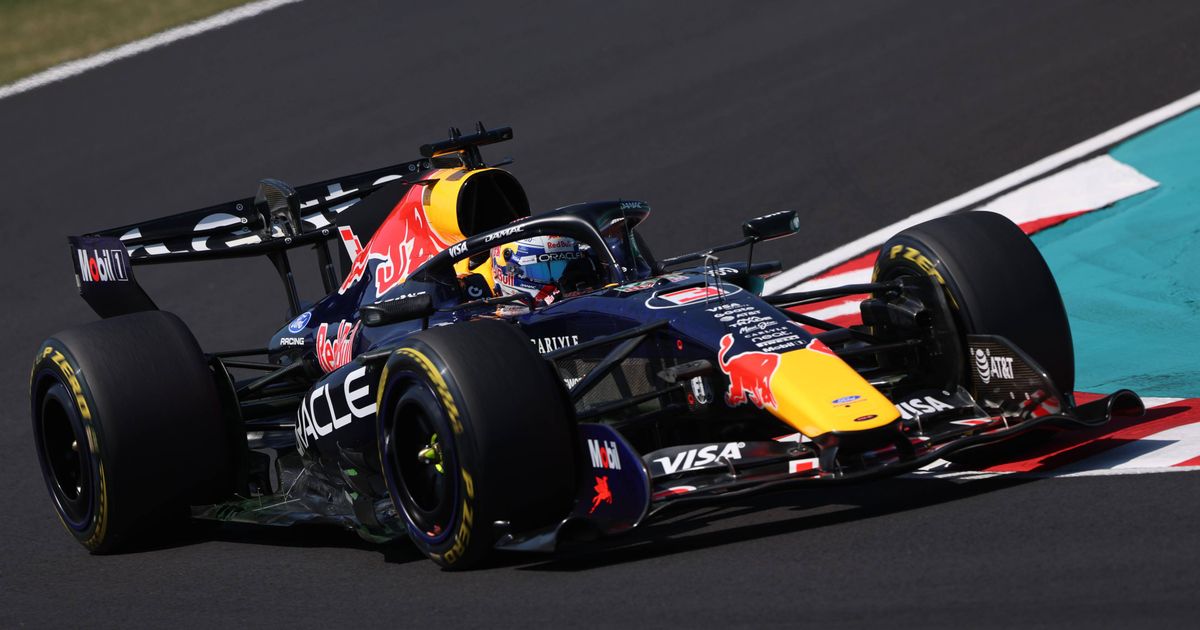
F1 technical expert Gary Anderson argues that the FIA's last-minute reduction of permitted energy harvesting for Japanese Grand Prix qualifying, while a positive step, is insufficient to prevent drivers from being forced into excessive 'lift-and-coast' maneuvers, undermining the pure driving challenge. The change lowers the maximum harvestable energy per lap from nine to eight megajoules, but complex calculations suggest drivers will still need to strategically slow down on fast sections to manage energy, handing too much control to pre-programmed systems rather than the driver's instinct.
Why it matters:
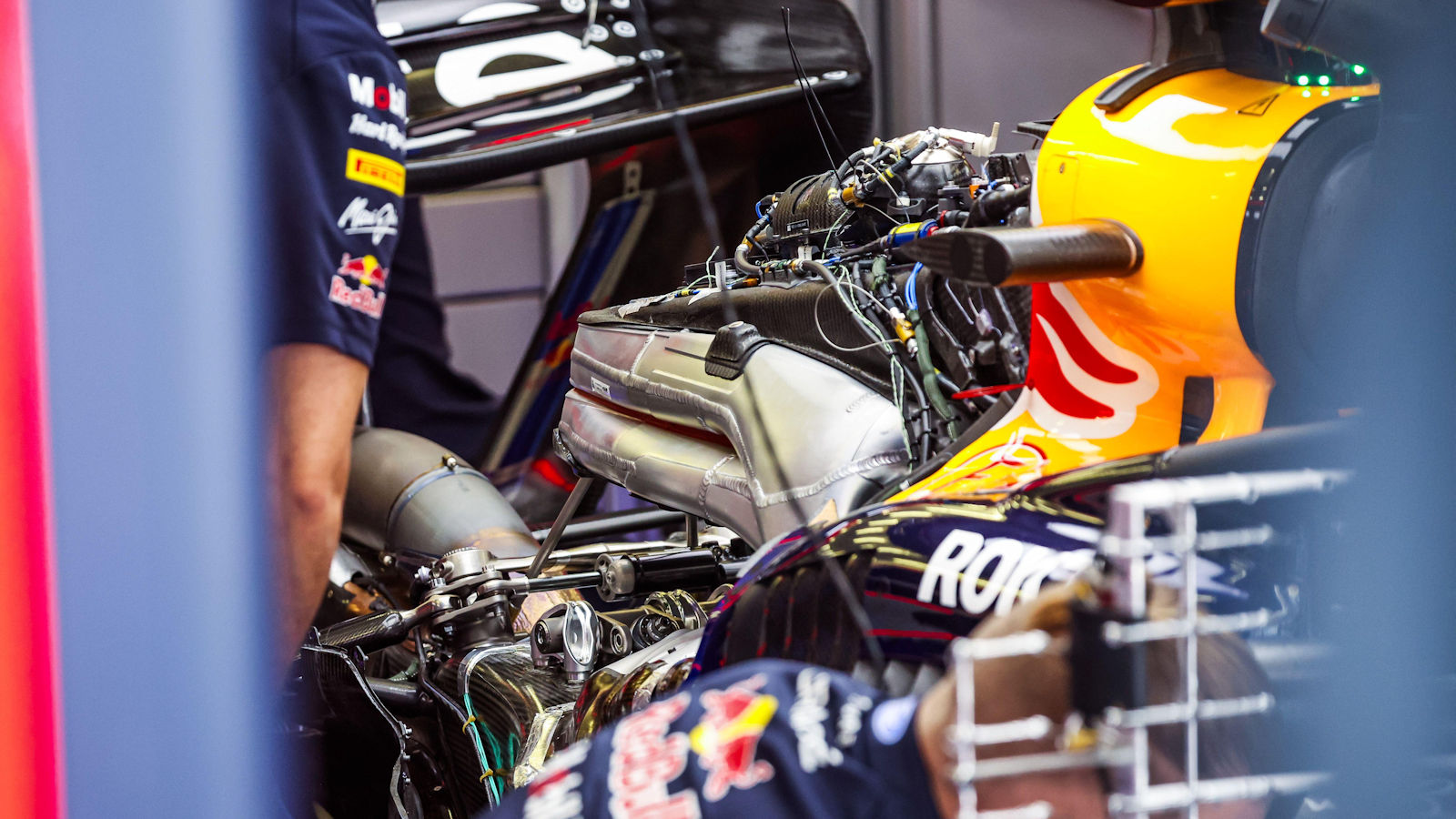
The 2026 power unit regulations are designed to be more sustainable and electrified, but their initial implementation risks distorting the core spectacle of qualifying. If the fastest lap becomes more about intricate energy management than outright driver skill and bravery, it could alienate fans and diminish the sport's appeal. This debate strikes at the heart of F1's identity: a balance between technical innovation and raw, driver-centric competition.
The Details:
- The Late Change: For the Suzuka weekend, the FIA reduced the maximum energy recoverable per lap under the 2026-spec qualifying simulation rules from 9MJ to 8MJ.
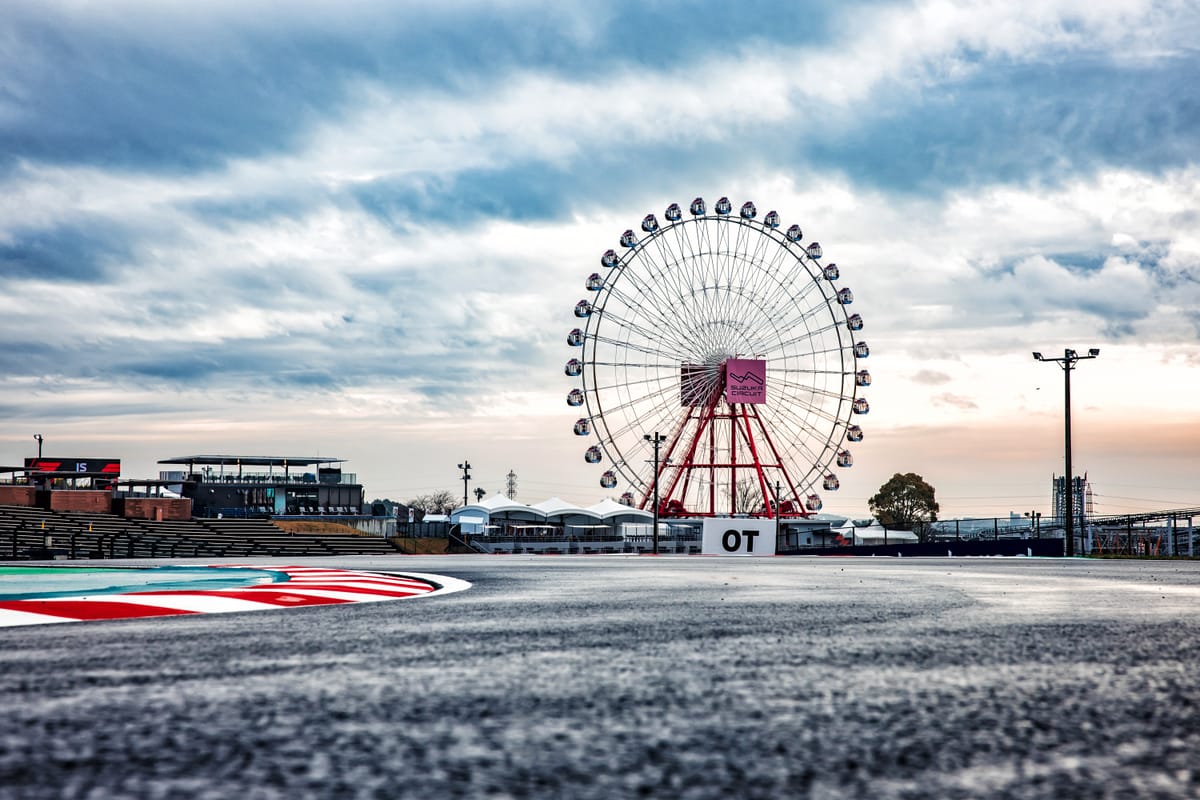
- The Energy Shortfall: Anderson's analysis of a theoretical Suzuka lap (approx. 1m31.5s) shows a driver needs around 19.8MJ of energy to deliver full driver-requested torque. Even starting a lap with a full 4MJ battery and harvesting the new maximum 8MJ, a significant deficit remains.
- The Driver's Dilemma: To find the missing energy, drivers will be compelled to lift off the throttle early on straights to harvest more, a practice known as lift-and-coast.
- Impacted Corners: Key high-speed sections like the run through Turn 1 into Turn 2, the famous Esses, Degner 1, and even the legendary flat-out 130R corner are identified as prime areas where drivers will have to sacrifice speed for energy.
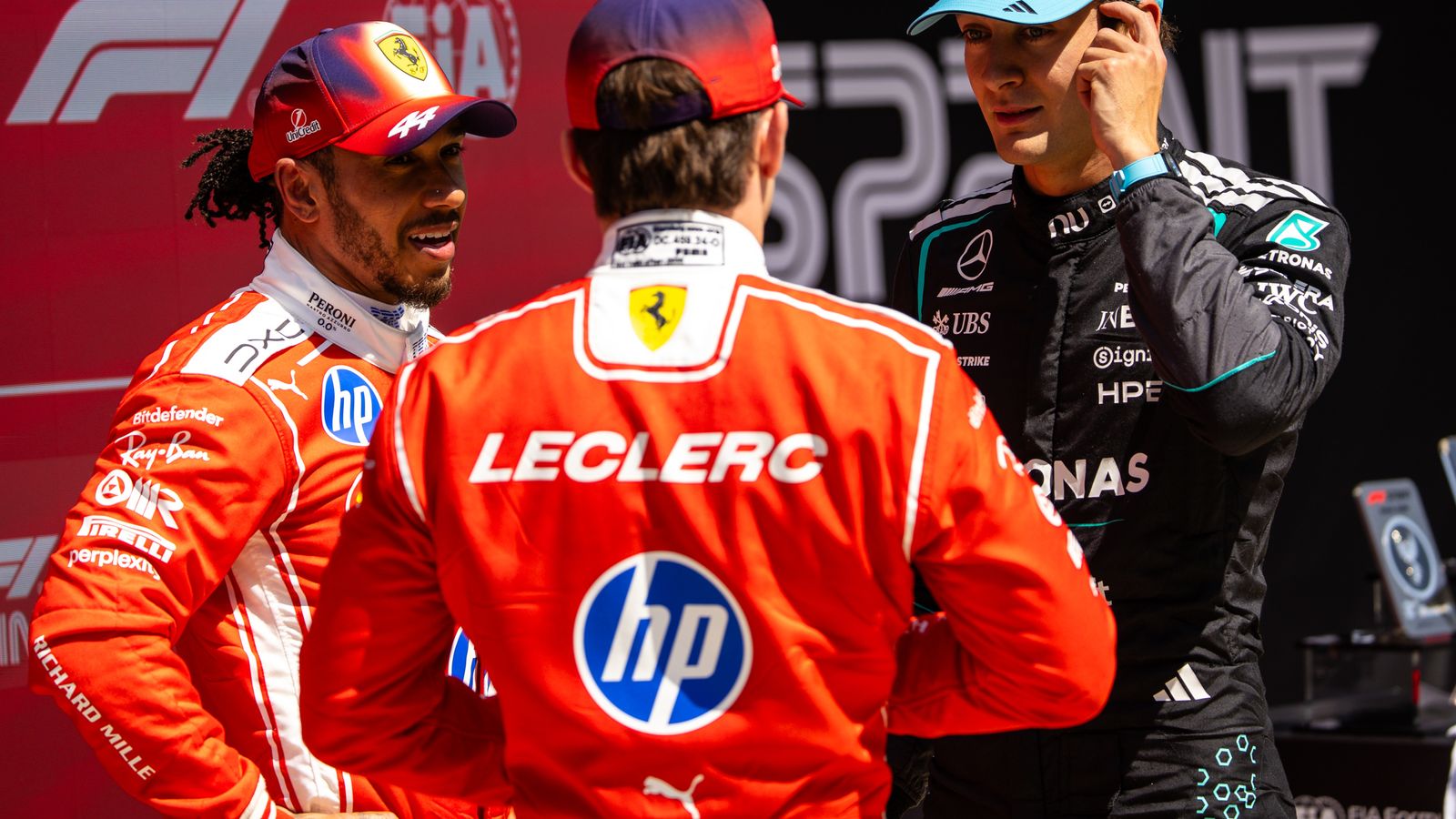
- The Control Argument: Anderson stresses that complex, "hidden" engine mapping—which confused Charles Leclerc in a recent simulation—removes control from the driver. He advocates for a system where the driver's pedal inputs directly dictate the car's power delivery, much like steering input directs the car.
What's next:
The Japanese Grand Prix will serve as a critical real-world test for these new qualifying energy rules. Teams and drivers will reveal how severe the lift-and-coast requirement truly is, providing valuable data for future adjustments.
- The FIA will likely monitor the situation closely, with further tweaks to the harvesting limits or system regulations possible before the 2026 rules are finalized.
- The broader conversation about returning direct control to the driver, rather than relying on pre-programmed efficiency modes, is set to continue as the sport navigates its technological future.
Don't miss the next lap
Get the deep dives and technical analysis from the world of F1 delivered to your inbox twice a week.
Zero spam. Only high-octane analysis. Unsubscribe anytime.
Join the inner circle
Get the deep dives and technical analysis from the world of F1 delivered to your inbox twice a week.
Zero spam. Only high-octane analysis. Unsubscribe anytime.