George Russell Calls Super Clipping Change a 'No-Brainer' in 2026 F1 Rule Talks
Ahead of a pivotal vote on the 2026 F1 regulations, George Russell identifies easy wins to improve the racing, specifically calling a boost to the 'super clipping' energy harvest limit a 'no-brainer' to reduce excessive lift-and-coast driving.
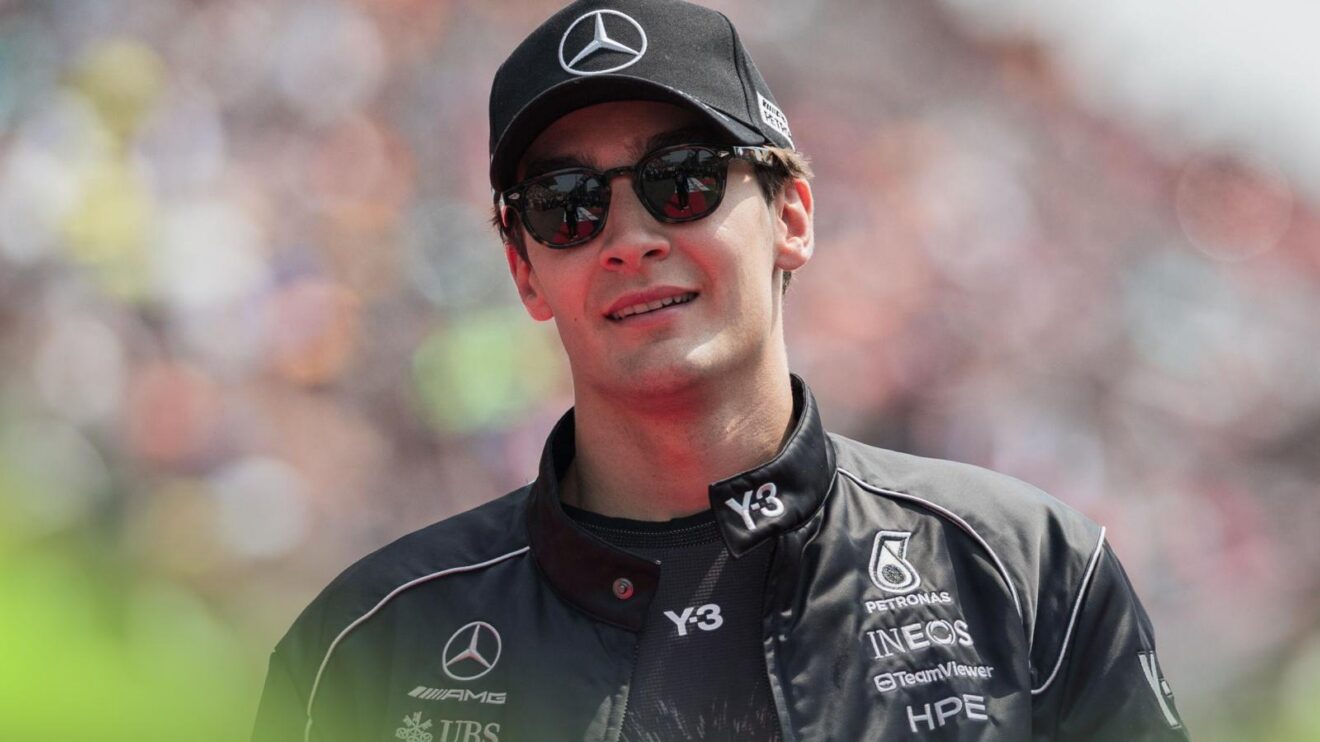
George Russell says there is "a lot of low-hanging fruit" to improve the proposed 2026 Formula 1 regulations, highlighting an increase to the 'super clipping' energy recharge limit as an obvious fix. The Mercedes driver's comments come ahead of a key Monday vote where teams, the FIA, and power unit manufacturers will decide on potential tweaks to the next-generation rules package.
Why it matters:
The 2026 regulations are not yet finalized, and this vote represents a critical opportunity to address driver concerns before the framework is locked in. Russell's emphasis on "low-hanging fruit" suggests there are relatively simple technical adjustments that could significantly improve the racing product by reducing excessive energy management, a core complaint in recent simulations. How the sport's stakeholders balance performance, sustainability, and spectacle will define the next era of F1.
The Details:
- The Core Issue: Drivers are concerned the current 2026 rules will force excessive "lift-and-coast" driving—slowing down early before corners—to harvest enough electrical energy per lap, compromising pure racing.
- Russell's 'No-Brainer' Fix: He specifically advocates increasing the 'super clipping' energy harvest limit from 250kW to 350kW. This allows the battery to recharge faster when the car is at full throttle and using maximum battery power.
- The Expected Effect: A higher super clipping limit would reduce the need to lift off the throttle for energy harvesting at the end of straights, preserving top speed and creating a more natural driving style.
- Alternative Solution: Another proposal on the table is reducing the total amount of harvestable energy required per lap, which would also lessen lift-and-coast demands.
- Positive Dialogue: Russell noted the FIA has been in close communication with drivers, calling it "probably the closest relationship we’ve had with them in numerous years," indicating a constructive approach to solving the issues.
What's next:
The vote on Monday is not expected to result in wholesale regulation changes but will likely approve a package of targeted amendments. The outcome will immediately shape the development direction for all teams and power unit manufacturers as they work toward the 2026 season. If changes like the super clipping increase are adopted, it could lead to cars that are less compromised by energy management, aligning closer with the drivers' and fans' expectations for competitive racing.
Don't miss the next lap
Get the deep dives and technical analysis from the world of F1 delivered to your inbox twice a week.
Zero spam. Only high-octane analysis. Unsubscribe anytime.
Join the inner circle
Get the deep dives and technical analysis from the world of F1 delivered to your inbox twice a week.
Zero spam. Only high-octane analysis. Unsubscribe anytime.
Continue Reading
View More News