Hamilton defends F1's 2026 rules as true racing, unlike Verstappen
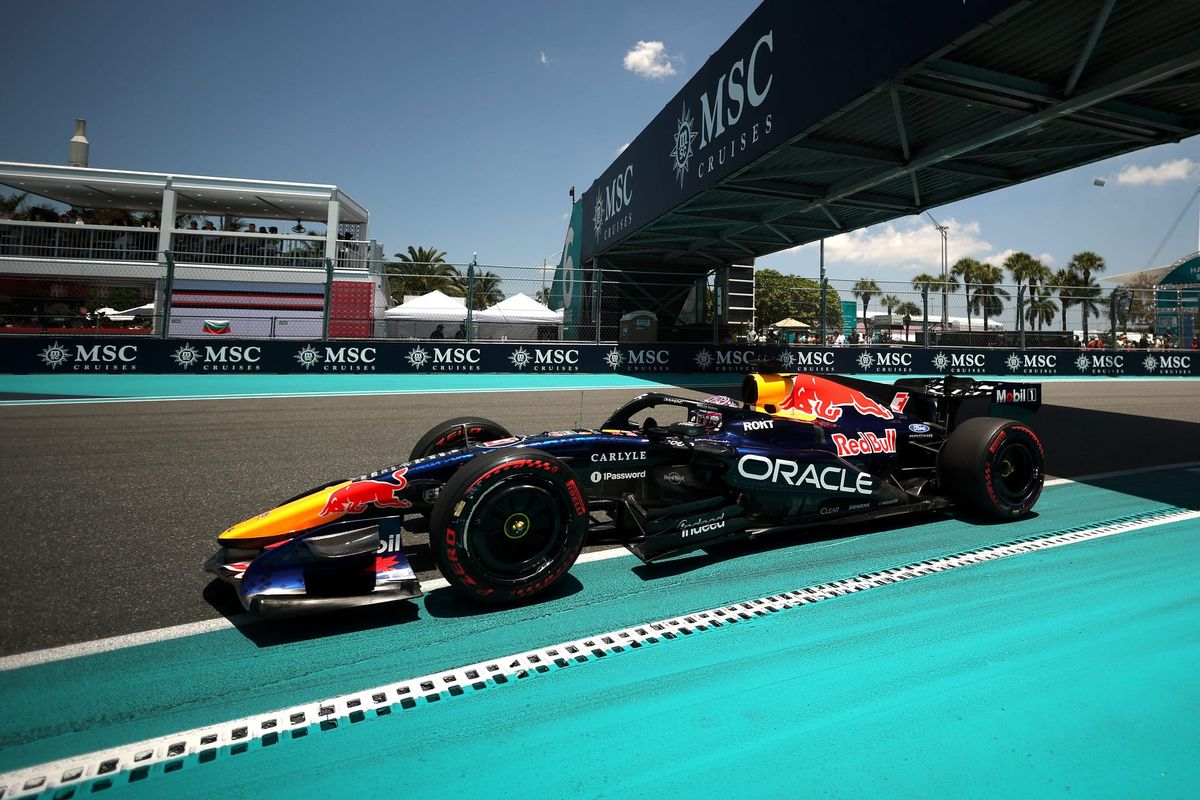
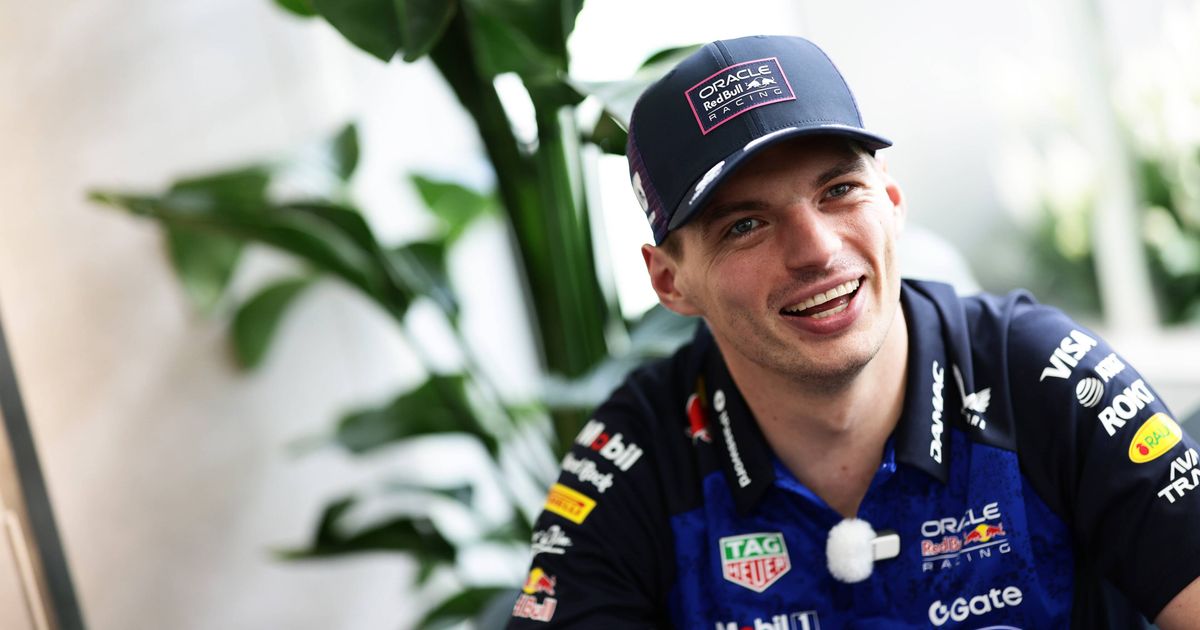
Lewis Hamilton and Max Verstappen are divided over F1's 2026 rules, with Hamilton praising the increased overtaking and battles as "true racing," while Verstappen condemns the energy management dynamics as a gimmicky "joke." Their clash highlights a fundamental debate about the sport's direction between pure competition and technical driving skill.
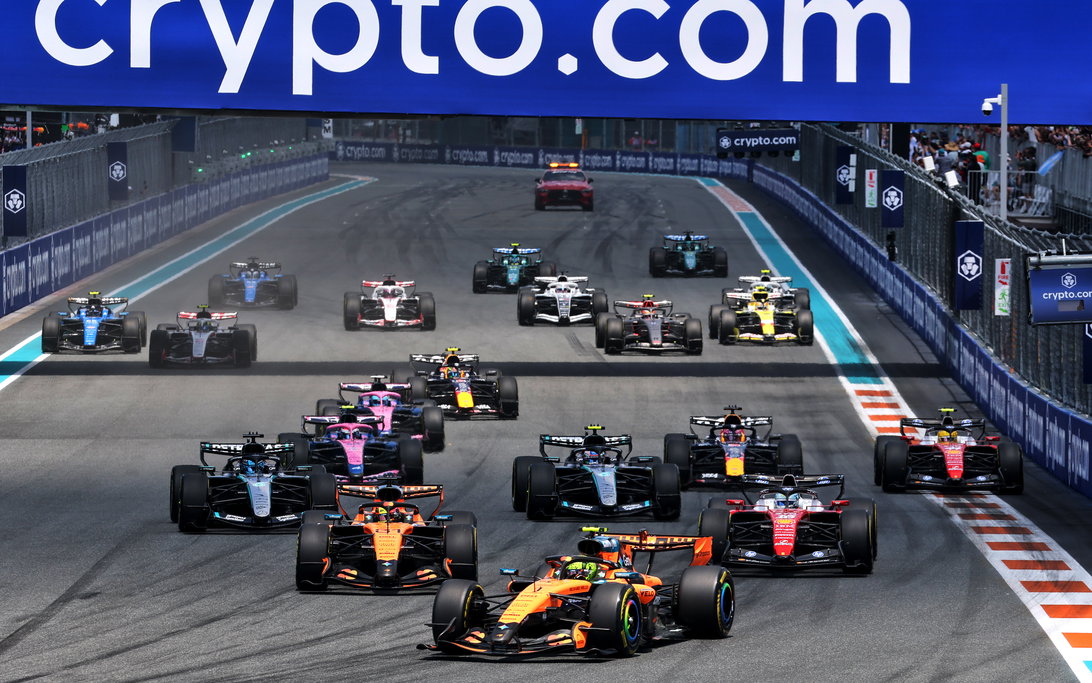
Lewis Hamilton has praised Formula 1's 2026 regulations for delivering exciting, back-and-forth battles, calling it "what racing should be" and a stark contrast to the dominant car performance of recent years. His positive stance directly opposes the vocal criticism from reigning champion Max Verstappen, who has derided the new energy management and overtaking dynamics as a "joke" akin to "Mario Kart." The fundamental disagreement highlights a growing philosophical split within the paddock over the sport's future direction.
Why it matters:
This public clash between two of F1's biggest stars represents more than just differing opinions; it's a debate about the core identity of Grand Prix racing. Hamilton's perspective champions entertainment and wheel-to-wheel competition for fans, while Verstappen's critique prioritizes pure driving skill and technical mastery. The outcome of this debate will influence how the FIA and teams approach future technical regulations and what is ultimately valued in the sport's evolution.
The details:
- Verstappen's Critique: The Red Bull driver has been the most vocal critic, stating the new rules are "terrible" and that fans who enjoy them "don't understand racing." He specifically dislikes the "yo-yo" effect created by the Overtake Mode energy deployment, where cars constantly pass and re-pass each other on straights.
- Hamilton's Defense: The Ferrari driver argues this constant battling is the essence of pure racing, comparing it favorably to karting. He emphasizes that the new cars allow for closer following through high-speed corners, reducing the previous reliance on DRS as a "band-aid" solution.
- Technical Adjustments: Acknowledging driver concerns, the FIA has already made tweaks. For the Japanese Grand Prix at Suzuka, the maximum energy recharge for qualifying was reduced to limit excessive "lift-and-coast" maneuvers, making hot laps more enjoyable for drivers.
- Hamilton's Nuanced View: While championing the improved racing, Hamilton admitted he doesn't love every aspect, expressing disappointment with the power of deployment and the Straight Mode with active aerodynamics. However, he believes the package as a whole is "exciting for the sport."
What's next:
The true test of the 2026 regulations will continue this weekend at the iconic Suzuka circuit, a track known for fantastic driving but traditionally poor overtaking opportunities.
- Hamilton hopes the new rules will transform Suzuka into a venue with both incredible driving and great racing, potentially making it "the best track in the world."
- The technical adjustment for Suzuka, with Straight Mode limited to just two sections, could also shuffle the competitive order, with Hamilton speculating it may help Ferrari keep pace with rivals like Mercedes.
- The ongoing debate between the drivers will likely intensify as teams develop their cars further, setting the stage for a season-long discussion about the balance between sport, spectacle, and technical purity in Formula 1.
Don't miss the next lap
Get the deep dives and technical analysis from the world of F1 delivered to your inbox twice a week.
Zero spam. Only high-octane analysis. Unsubscribe anytime.
Join the inner circle
Get the deep dives and technical analysis from the world of F1 delivered to your inbox twice a week.
Zero spam. Only high-octane analysis. Unsubscribe anytime.
Continue Reading
View More News