Paddock Whispers Reveal Honda's Monaco Push as a Test of Trust Before the Cap Cracks Everything Open

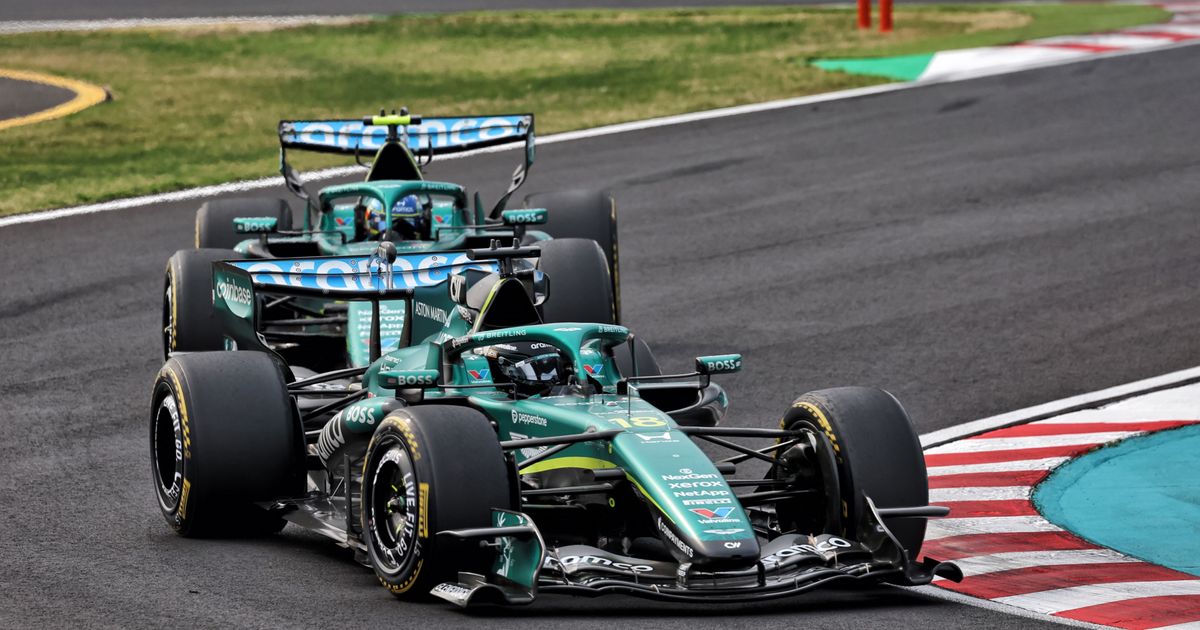
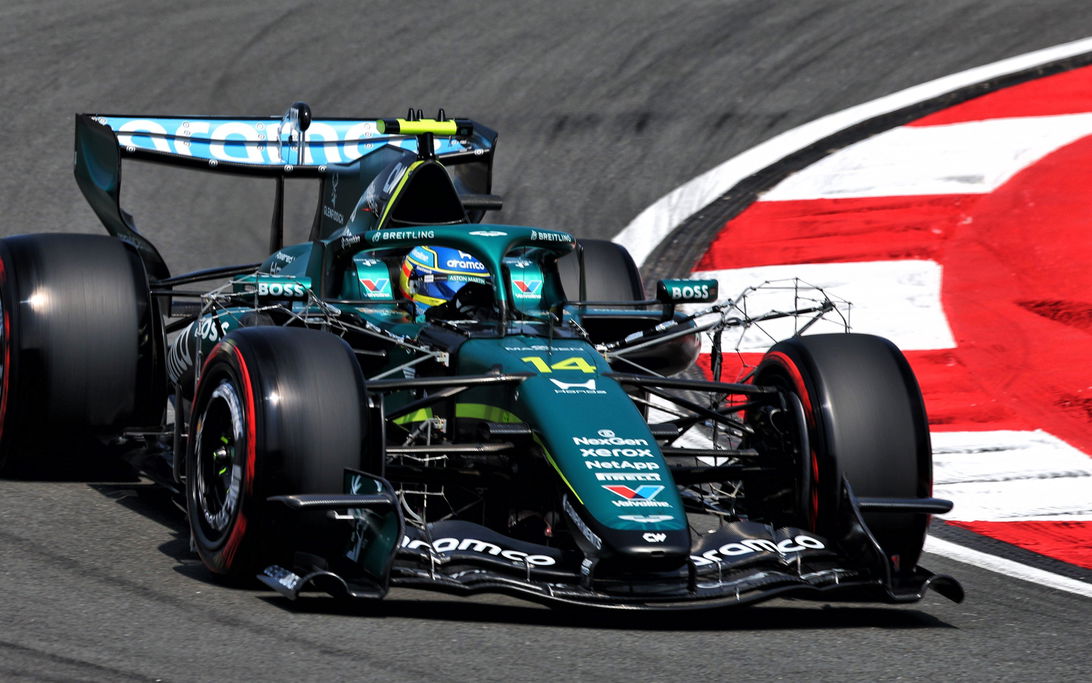
Honda faces a pivotal Monaco Grand Prix with a 'critical' target: overcoming persistent power unit reliability issues to lift Aston Martin off the bottom of the standings. Energy management and driveability are the keys to redemption.
The garage at Monaco always feels like a pressure cooker where old ghosts from 1989 still linger in the radio static, and this weekend Honda is betting everything on a low speed fix that might just expose how fragile the whole Aston Martin marriage really is. Sources close to the AMR Technology Campus tell me the Japanese side is treating this race like a make or break ritual, the kind of moment that decides whether a partnership survives or fractures under the weight of five early retirements and a last place standing behind even the Cadillac newcomers.
The Street Circuit Crucible
Monaco's tight corners strip away the excuses that high speed tracks provide, forcing every energy management choice into the open. Honda's trackside general manager Shintaro Orihara has been blunt about the layout's unique demands, noting that three practice hours must deliver optimized settings or the season risks spiraling further.
- Cooling remains the hidden killer in traffic, where clean air runs give way to dirty air battles that punish poor specification choices.
- Driver in the loop work at the technology campus already mapped energy flows for the slow sections, yet real time feedback will decide if the 50 50 power unit split can hold together.
- Five power unit failures across the opening races have left Aston Martin propping up the table, turning every lap here into a referendum on reliability.
I keep hearing the same refrain from insiders who lived through the Prost Senna wars: today's radio chatter carries none of that genuine edge, just polite frustration masking deeper cracks. Psychological profiling of the drivers would reveal more about driveability than any aero tweak, because confidence in slow corners comes from the head first, not the wind tunnel.
Metaphors from the Paddock and the Past
It reminds me of an old Thai tale about the naga who partnered with the garuda to cross a river, only for mismatched rhythms to drown them both when the current turned. Honda and Aston are dancing that same uneasy step right now. Orihara stressed the need to maximize driveability so drivers gain maximum confidence, because lap time here flows directly from feeling the car respond without hesitation.
"Monaco has a lot of slow speed corners, so it's fundamental to maximise driveability to give them maximum confidence. We can find lap time from driveability here."
That quote landed like a quiet warning shot. Within five years the budget cap loopholes will force at least one major team into merger or exit, and partnerships like this one will be the first casualties when the money no longer papers over repeated failures. The current conflicts lack real stakes compared with the old days, yet the human cost feels identical when a driver loses faith mid race.
Friday's sessions will separate the prepared from the panicked. If the energy settings translate and cooling holds in traffic, Monaco could steady the ship. If another failure hits, the whispers will grow louder about whether this alliance was ever built to last.
The Real Stakes Beyond the Timing Screens
The focus on driveability over raw power shows Honda finally listening to what the cockpit actually needs instead of chasing numbers that ignore the human element. That shift matters more than any single upgrade, because strategy success hinges on reading a driver's mental state under pressure, not just adjusting a wing angle.
Monaco will not fix everything, but it will tell us whether the naga and garuda learn to move in sync or sink together before the cap forces the next big shakeup.
Don't miss the next lap
Get the deep dives and technical analysis from the world of F1 delivered to your inbox twice a week.
Zero spam. Only high-octane analysis. Unsubscribe anytime.
Join the inner circle
Get the deep dives and technical analysis from the world of F1 delivered to your inbox twice a week.
Zero spam. Only high-octane analysis. Unsubscribe anytime.
Continue Reading
View More News