Honda's Record Financial Loss Casts Shadow Over Its F1 Engine Stance
Honda suffered its worst financial loss since 1957, but HRC insists the F1 project won't be affected. However, the loss – tied to struggling EV investments – raises questions about Honda's support for future electrified F1 engines as the sport mulls a V8 return.
Honda posted a net loss of 423 billion yen ($2.68bn) for the fiscal year ending March 2026, its worst result since being listed on the stock exchange in 1957. The Japanese manufacturer had already warned of the downturn earlier this year, citing massive investments in electrification that have not yet paid off.
Why it matters:
Honda has been one of the strongest advocates for electrification in Formula 1, aligning its F1 powertrain strategy with its road car push. But with its EV investments faltering – particularly in the U.S. after the Trump administration scrapped federal tax credits – the financial pressure could shift Honda's priorities. Meanwhile, F1 is actively discussing a move back toward V8 engines powered by sustainable fuels, potentially reducing the electric component.
The details:
- Financial hit: The loss is worse than during the pandemic years. Honda has suspended a planned $11bn EV and battery plant in Canada and dropped its 2030 target of 20% EV sales. The goal of selling only EVs by 2040 has also been abandoned.
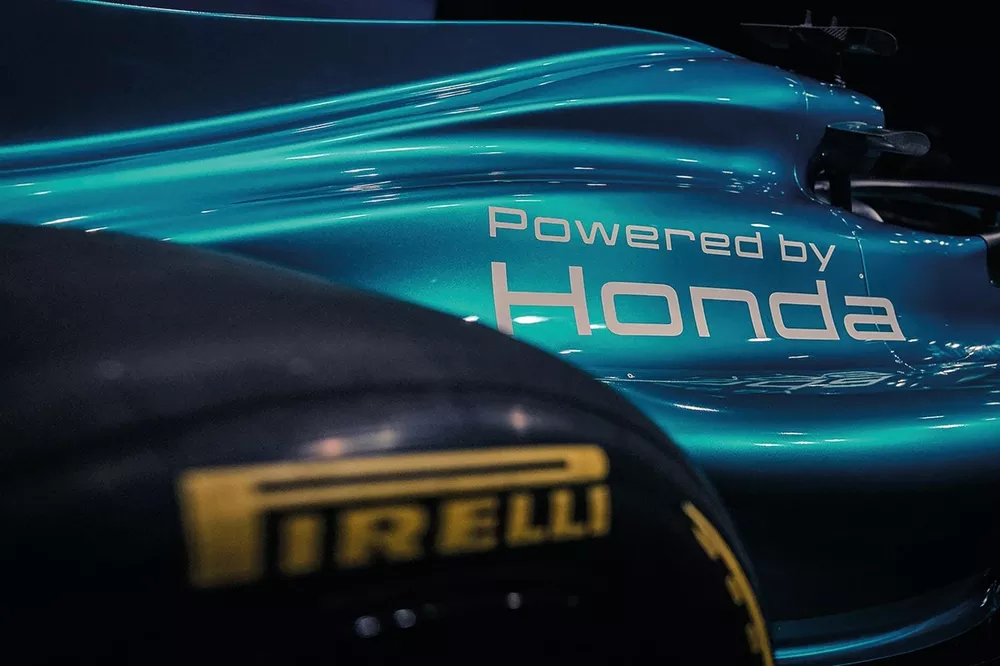
- HRC's stance: Honda Racing Corporation stated that the financial results will not affect its F1 program. However, the broader strategic shift is notable.
- F1 engine debate: F1 CEO Stefano Domenicali and FIA President Mohammed Ben Sulayem have both signaled a desire for a stronger internal combustion engine in the next regulations, with Ben Sulayem confirming a V8 will return by 2031. Mercedes boss Toto Wolff and Ford's Mark Rushbrook have expressed openness to the idea.
- Honda's position: Honda was part of the pro-electrification camp alongside Audi. The financial losses may make the Japanese manufacturer more amenable to a V8 future, though no official change has been announced.
Looking ahead:
As F1 works toward finalizing the next engine regulations within the year, manufacturers are weighing their options. Honda's financial reality could be the catalyst that brings it back to the V8 table – or keeps it cautious. The FIA has the power to push through new rules without unanimous OEM support from 2031, but a consensus would be preferable.
For now, HRC's F1 project continues as planned, but the backdrop in Maranello and Tokyo suggests the sport's engine landscape may look very different in a few years.
Don't miss the next lap
Get the deep dives and technical analysis from the world of F1 delivered to your inbox twice a week.
Zero spam. Only high-octane analysis. Unsubscribe anytime.
Join the inner circle
Get the deep dives and technical analysis from the world of F1 delivered to your inbox twice a week.
Zero spam. Only high-octane analysis. Unsubscribe anytime.
Continue Reading
View More News