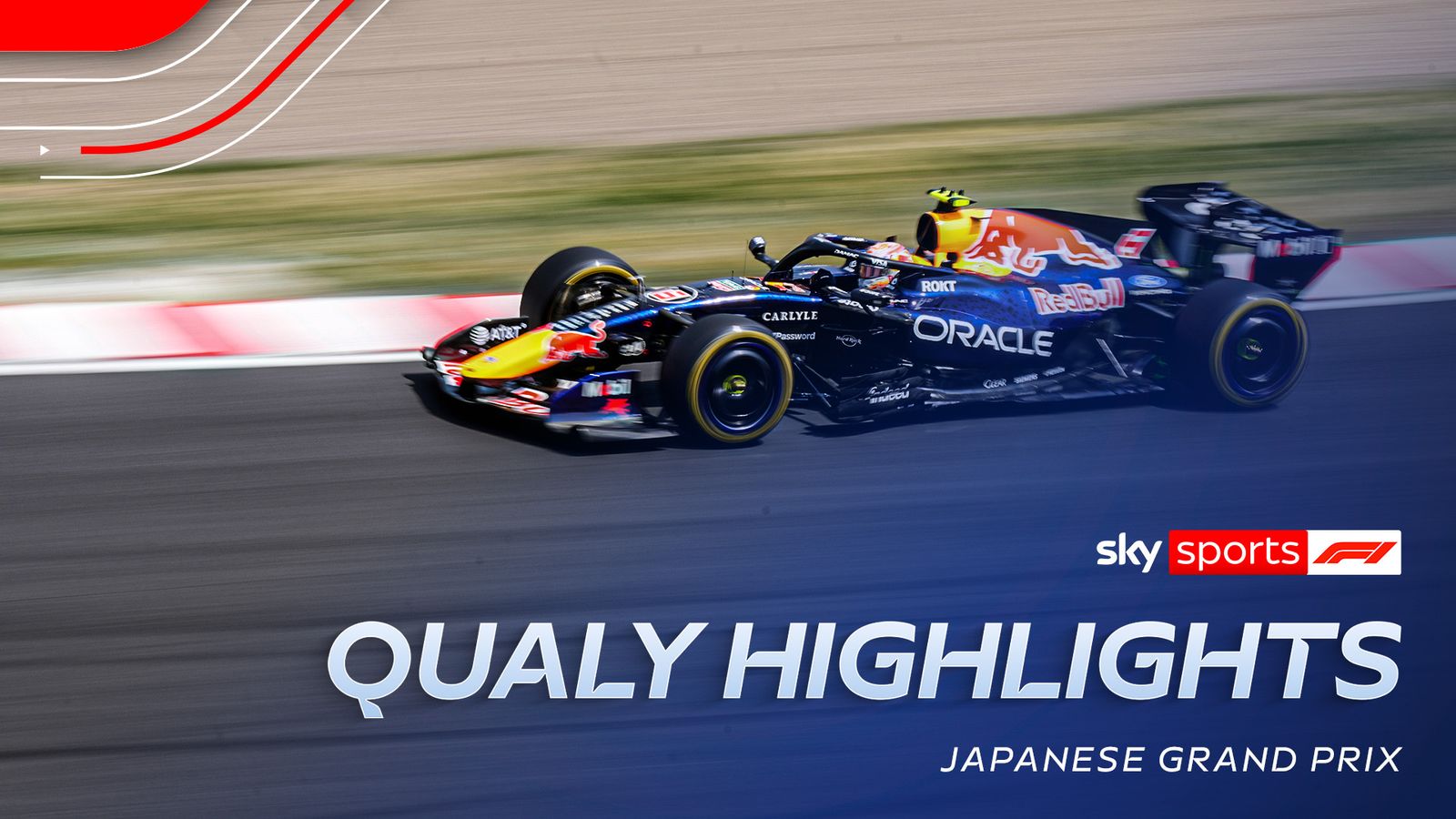
Japanese Grand Prix Qualifying Highlights
A look at the key themes and strategic implications from a simulated qualifying session for the 2026 Japanese Grand Prix at the challenging Suzuka Circuit, where track evolution and a single perfect lap are paramount.
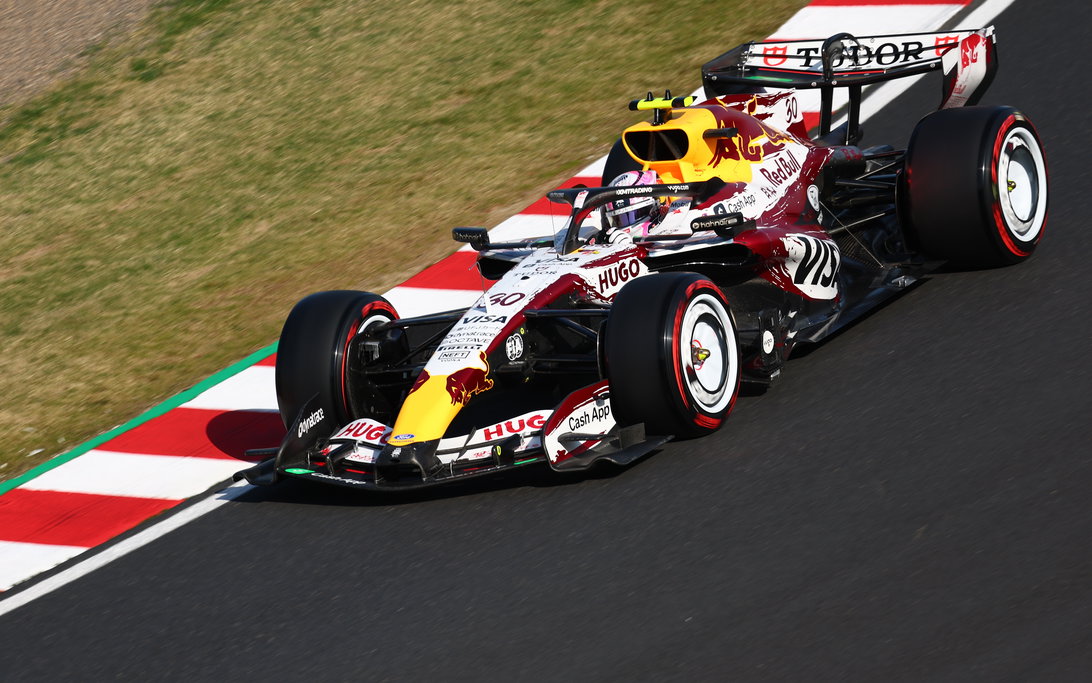
In a simulated qualifying session for the 2026 Japanese Grand Prix, the battle for pole position at the iconic Suzuka Circuit showcased intense competition and strategic tire management, setting the stage for a potentially dramatic race. While specific results are placeholder, the virtual session highlighted the critical importance of track evolution and a single clean lap around one of Formula 1's most demanding layouts.
Why it matters:
Qualifying at Suzuka is often a decisive factor for the race, with overtaking being notoriously difficult. Securing a front-row start provides a significant advantage, offering clean air and the best chance to avoid the chaos of the first sector. The performance gaps seen in qualifying can also reveal the true competitive order, especially on a track that punishes aerodynamic inefficiency and rewards high-speed balance.
The Details:
- Track Evolution: As is typical at Suzuka, track conditions were expected to improve significantly throughout the session. Teams had to perfectly time their final runs to exploit the peak grip level on the evolving asphalt.
- Tire Strategy: With multiple tire compound options available, the decision between an aggressive single-lap qualifying tire and a more durable race-start compound was a key strategic dilemma for every team.
- Sector Analysis: Performance through Suzuka's unique figure-eight layout was dissected sector by sector. The high-speed first sector (S-curves) tested aerodynamic efficiency and chassis balance, while the final sector demanded mechanical grip and traction for the hairpin and the run onto the main straight.
Between the lines:
Qualifying at a circuit like Suzuka tests more than just outright car speed; it exposes a team's operational precision and a driver's ability to extract absolute performance under pressure. A mistake at Degner or Spoon Curve can ruin an entire lap, putting immense psychological pressure on the drivers. The results, even in simulation, hint at which teams have successfully optimized their packages for a balance of high-downforce and efficient drag, a crucial combination for success in Japan.
What's next:
The grid is set for the Japanese Grand Prix, with all eyes now on race strategy. Pit stop timing, tire degradation management over long stints, and the potential for safety car interventions will be the major talking points. Starting position is critical, but history at Suzuka has shown that race pace and strategic calls can overturn qualifying deficits, promising a complex and engaging battle on Sunday.
Don't miss the next lap
Get the deep dives and technical analysis from the world of F1 delivered to your inbox twice a week.
Zero spam. Only high-octane analysis. Unsubscribe anytime.
Join the inner circle
Get the deep dives and technical analysis from the world of F1 delivered to your inbox twice a week.
Zero spam. Only high-octane analysis. Unsubscribe anytime.
Continue Reading
View More News