Key F1 meeting to decide on 2026 rule tweaks after driver safety concerns
F1's governing body, teams, and manufacturers meet Monday to finalize tweaks to the 2026 regulations after driver safety warnings. The talks aim to fix energy management rules that forced lift-and-coast in qualifying and caused dangerous speed differences, with simple solutions like "super clipping" on the table for quick implementation.
Formula 1's key stakeholders are meeting Monday to finalize proposed tweaks to the 2026 technical regulations, following weeks of urgent discussions prompted by driver criticism and a major safety incident. The talks focus on modifying energy management rules to allow flat-out qualifying laps and reduce dangerous speed differentials between cars, with a consensus forming around immediate, "low-hanging fruit" solutions.
Why it matters:
The 2026 season represents a fundamental reset for F1 with new chassis and a near-50-50 power split between combustion and electric energy. Early feedback has revealed significant flaws in the racing product and safety. Addressing these foundational issues now is critical to ensure the new era delivers on its promise of competitive and safe racing from the very first race, avoiding a repeat of the problematic introductions seen in past regulation cycles.
The details:
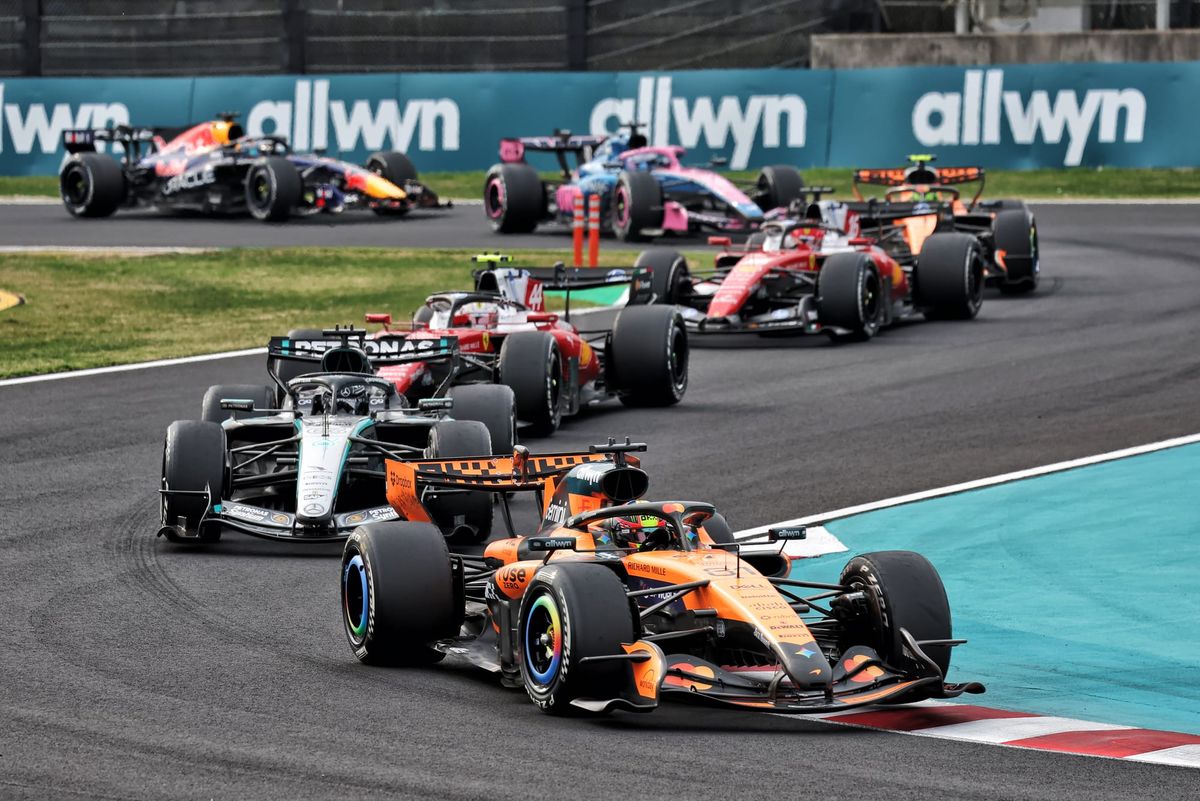
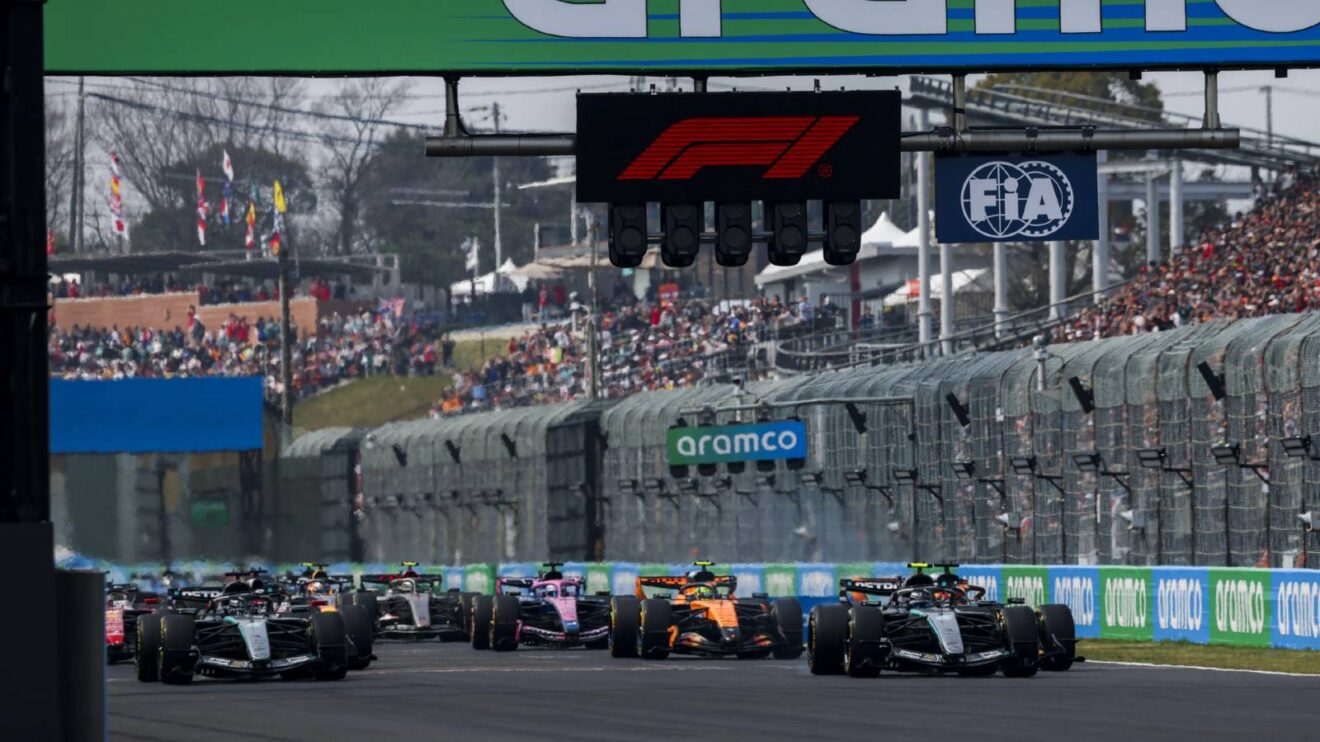
- The push for changes intensified after the Japanese Grand Prix, where drivers criticized the need for excessive "lift-and-coast" energy harvesting in qualifying and a large crash involving Oliver Bearman and Franco Colapinto highlighted dangerous closing speeds.
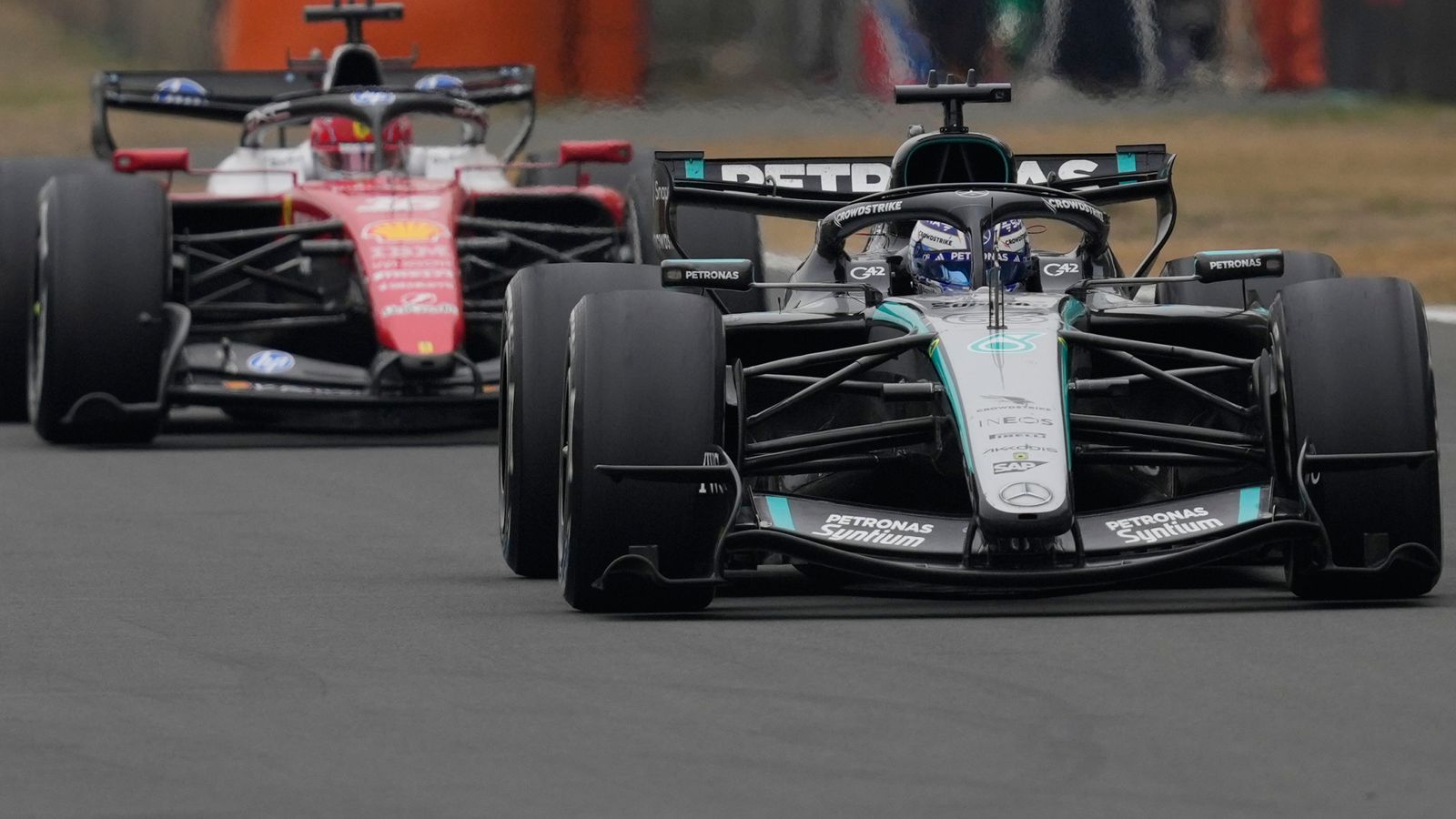
- Driver-Led Feedback: GPDA director George Russell pinpointed the core problem: a car using its energy boost (deploying 350kW) can rapidly close on a car that has just used its boost and is harvesting energy (at -350kW), creating a massive speed delta in corners and non-straightline zones.
- Proposed Solutions: Drivers and teams have identified clear, short-term fixes:
- Increasing the permitted rate of battery harvesting under full throttle, known as "super clipping," to reduce the need for lifting off.
- Adjusting rules that limit how quickly the engine power can be reduced, allowing for better energy management on short straights.
- Collaborative Atmosphere: Russell and McLaren team principal Andrea Stella both praised the unusually constructive and close collaboration between the FIA, drivers, and teams in these preliminary talks, signaling a unified desire to solve the issues.
What's next:
Monday's meeting between F1, the FIA, teams, and power unit manufacturers aims to agree on a formal package of adjustments. Any agreed changes will then be put forward for a final e-vote by the FIA's World Motor Sport Council. With the sport reconvening at the Miami Grand Prix next week, expect the outcomes of these critical negotiations to become a central topic of discussion in the paddock as the focus shifts to implementing solutions before the 2026 cars hit the track.
summary: F1's governing body, teams, and manufacturers meet Monday to finalize tweaks to the 2026 regulations after driver safety warnings. The talks aim to fix energy management rules that forced lift-and-coast in qualifying and caused dangerous speed differences, with simple solutions like "super clipping" on the table for quick implementation.
categories: [
Don't miss the next lap
Get the deep dives and technical analysis from the world of F1 delivered to your inbox twice a week.
Zero spam. Only high-octane analysis. Unsubscribe anytime.
Join the inner circle
Get the deep dives and technical analysis from the world of F1 delivered to your inbox twice a week.
Zero spam. Only high-octane analysis. Unsubscribe anytime.
Continue Reading
View More News