Key Takeaways from Thursday at the F1 Japanese Grand Prix
A tense media day in Suzuka saw Max Verstappen eject a journalist over an old grievance, while the FIA rushed through a last-minute rule change to salvage qualifying from excessive energy saving. The drama unfolded as McLaren faced a new battery problem and Honda applied more fixes to its unreliable engine before F1's lengthy break.
Thursday at the Suzuka circuit was dominated by off-track drama, with Max Verstappen banishing a journalist from his media session over a months-old grudge, and a last-minute rule change for qualifying aimed at preserving the circuit's driving challenge. Meanwhile, McLaren faced a fresh setback with Lando Norris's battery, and Honda implemented further countermeasures for its troubled power unit ahead of its home race.
Why it matters:
The intense media day highlights the simmering tensions and immense pressures within Formula 1 as the grid heads into a five-week break. Verstappen's public confrontation underscores the fine margins and lingering frustrations from a title fight, while the hasty qualifying rule tweak reveals the ongoing struggle to balance the new 2026 technical regulations with the sport's core spectacle. For teams like McLaren and Aston Martin-Honda, the weekend is critical to salvage early-season campaigns plagued by reliability woes.
The details:
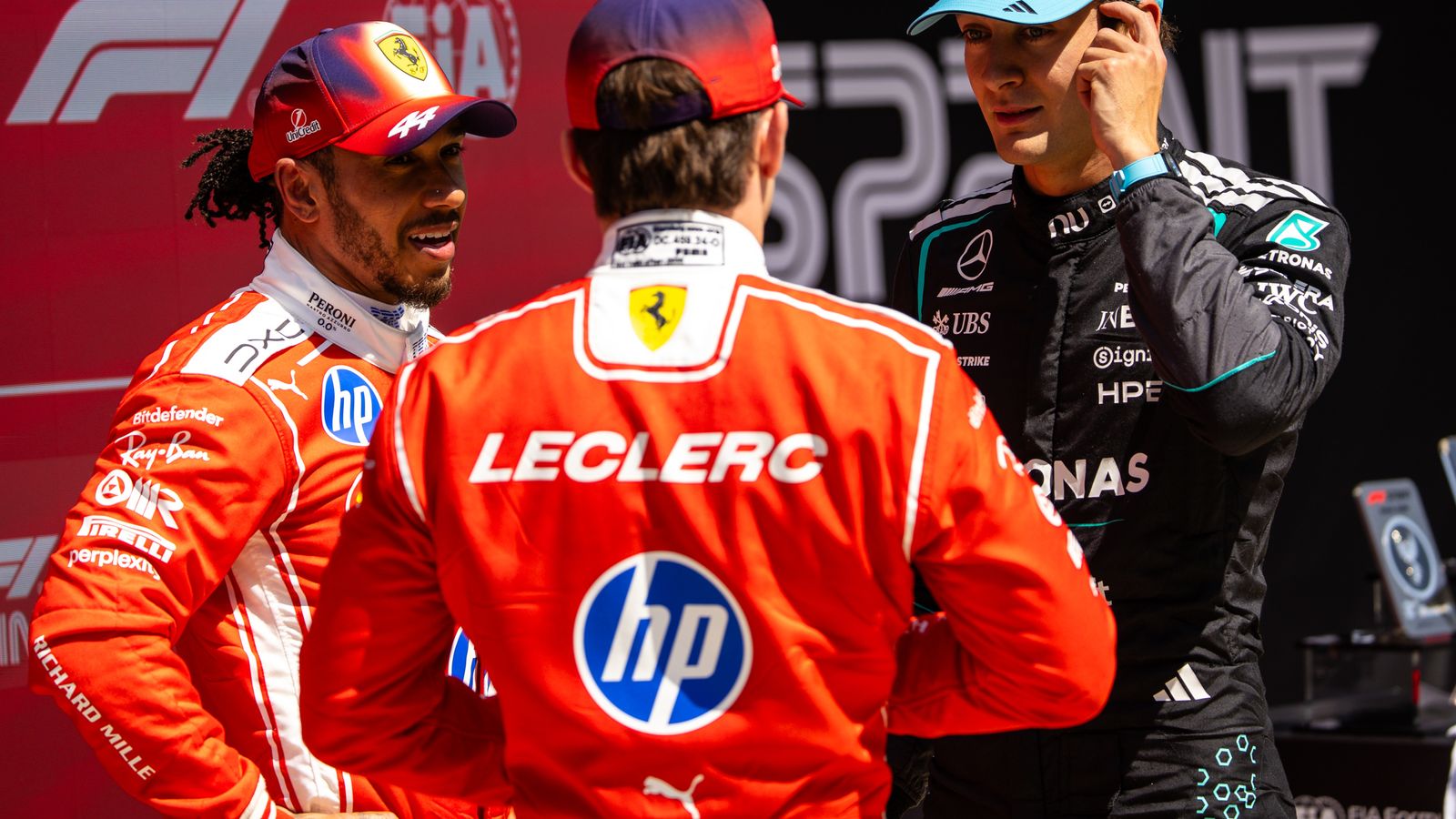
- Verstappen's Grudge: The reigning champion ordered a journalist to leave his press conference, citing a question from the 2025 Abu Dhabi finale about his incident with George Russell in Spain. Verstappen had previously admitted regret over the Spain clash in Dutch media, making his lasting public resentment particularly striking.
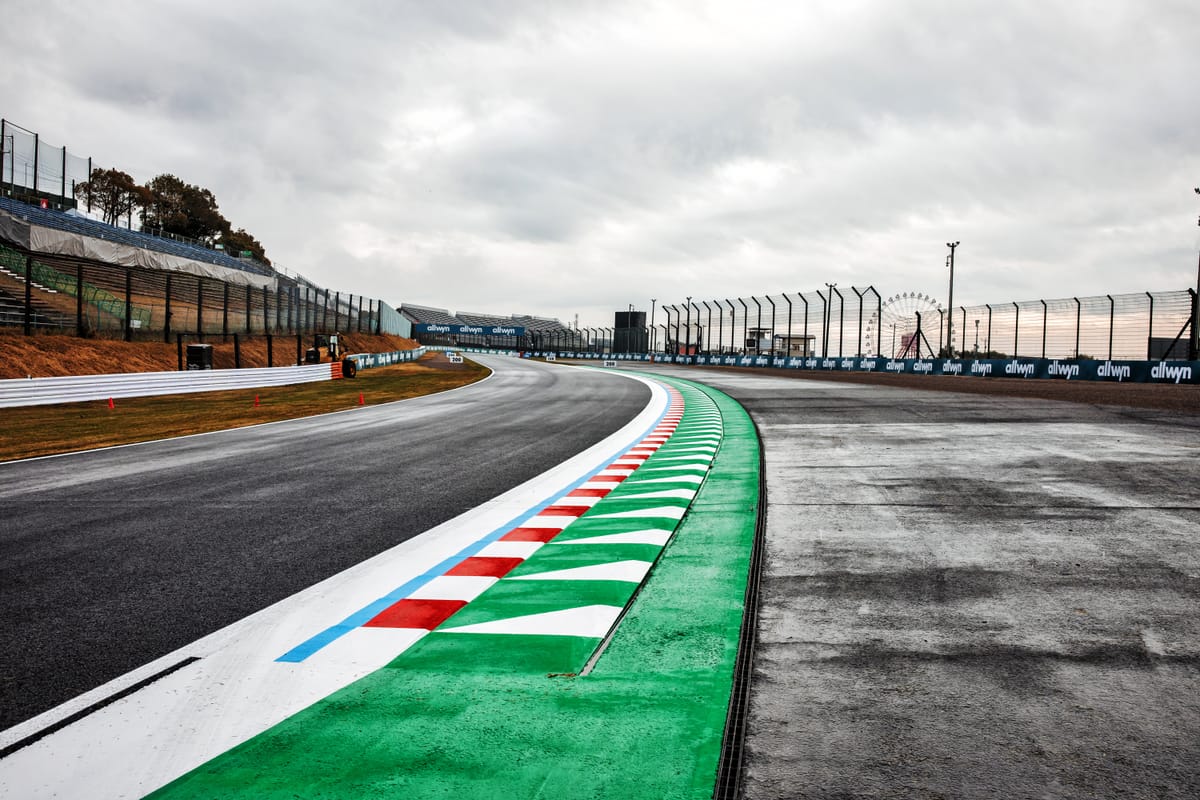
- Late Qualifying Change: In a bid to reduce excessive energy management during hot laps, the FIA reduced the maximum harvestable energy from 9MJ to 8MJ for the Suzuka weekend. The change, supported by all power unit makers, aims to lessen the "super clipping" effect that was neutering iconic corners like the Degner Curves.
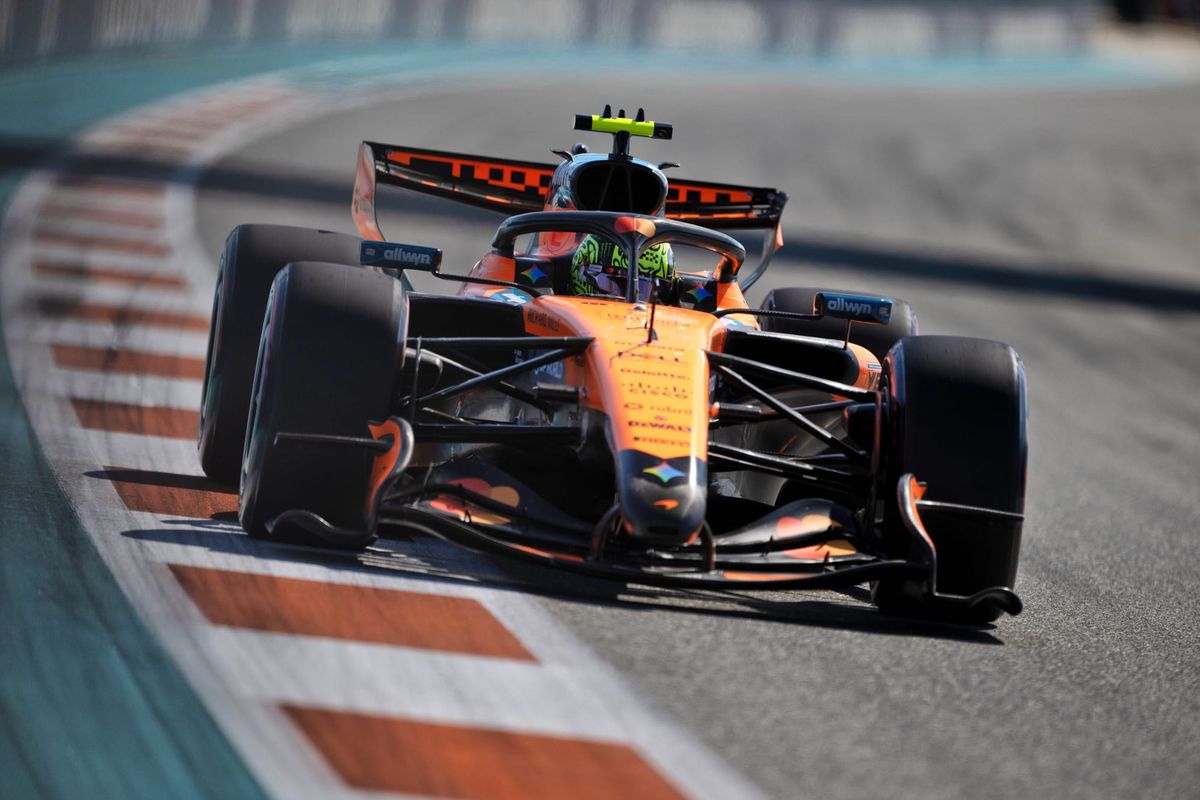
- McLaren's Battery Woes: Mercedes has been unable to repair the battery that failed on Lando Norris's car in China. With drivers allowed only three batteries for the season, Norris has already used one-third of his allocation. Oscar Piastri's battery has undergone a repair but needs a final assessment during Friday practice.
- Mercedes' Wing Explanation: The unusual, multi-stage movement of the Mercedes front wing in China, which drew rival team queries to the FIA, was attributed to a miscalculation in the hydraulic pressure system required to switch modes. The FIA is satisfied with Mercedes's explanation that it was a technical fault, not a regulatory breach.
- Honda's Silent Struggle: The Japanese manufacturer has introduced another countermeasure for its problematic power unit ahead of its home race but declined to specify the nature of the fix. Trackside boss Shintaro Orihara expressed confidence in finishing the race but stopped short of declaring the underlying vibration issues resolved.
- Williams' Persistent Problem: The team continues to grapple with a fundamental "three-wheeling" or lack of inside-front grip issue, exacerbated by the 2026 downforce reduction. Both Alex Albon and Carlos Sainz identified it as a characteristic flaw, particularly damaging in slow, cambered corners like those found at Suzuka.
- Audi Leadership Shock: Drivers Nico Hulkenberg and Gabriel Bortoleto learned of Team Principal Jonathan Wheatley's immediate departure at the same time as the public, with Hulkenberg finding out via a news article sent by his mother while in the simulator.
- Support for Ocon: Esteban Ocon received support from FIA President Mohammed Ben Sulayem after receiving death threats from a section of Franco Colapinto's fans following their collision in China. The FIA stated it was "deeply concerned" by the abuse directed at the Alpine driver.
What's next:
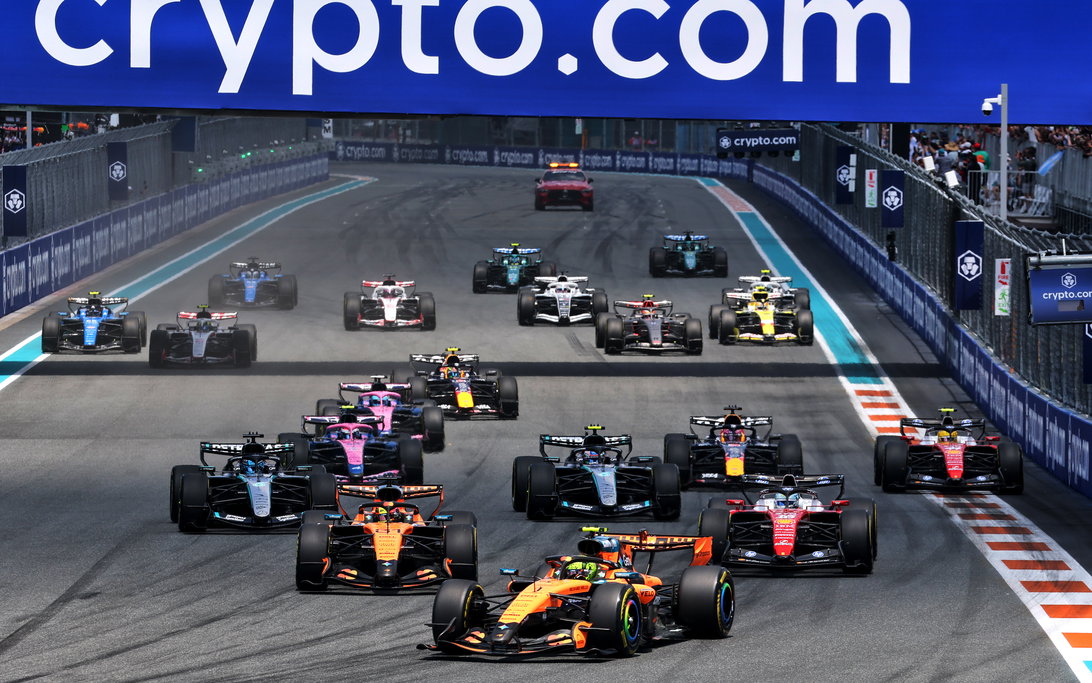
All eyes will be on whether the qualifying rule change successfully allows drivers to attack Suzuka's legendary corners more freely. For McLaren and Aston Martin, practice sessions will be crucial diagnostic periods to manage their respective technical crises. The weekend's outcomes will set the narrative for the long break until Miami, where teams like McLaren are expected to bring their first major upgrades of the season.
Don't miss the next lap
Get the deep dives and technical analysis from the world of F1 delivered to your inbox twice a week.
Zero spam. Only high-octane analysis. Unsubscribe anytime.
Join the inner circle
Get the deep dives and technical analysis from the world of F1 delivered to your inbox twice a week.
Zero spam. Only high-octane analysis. Unsubscribe anytime.