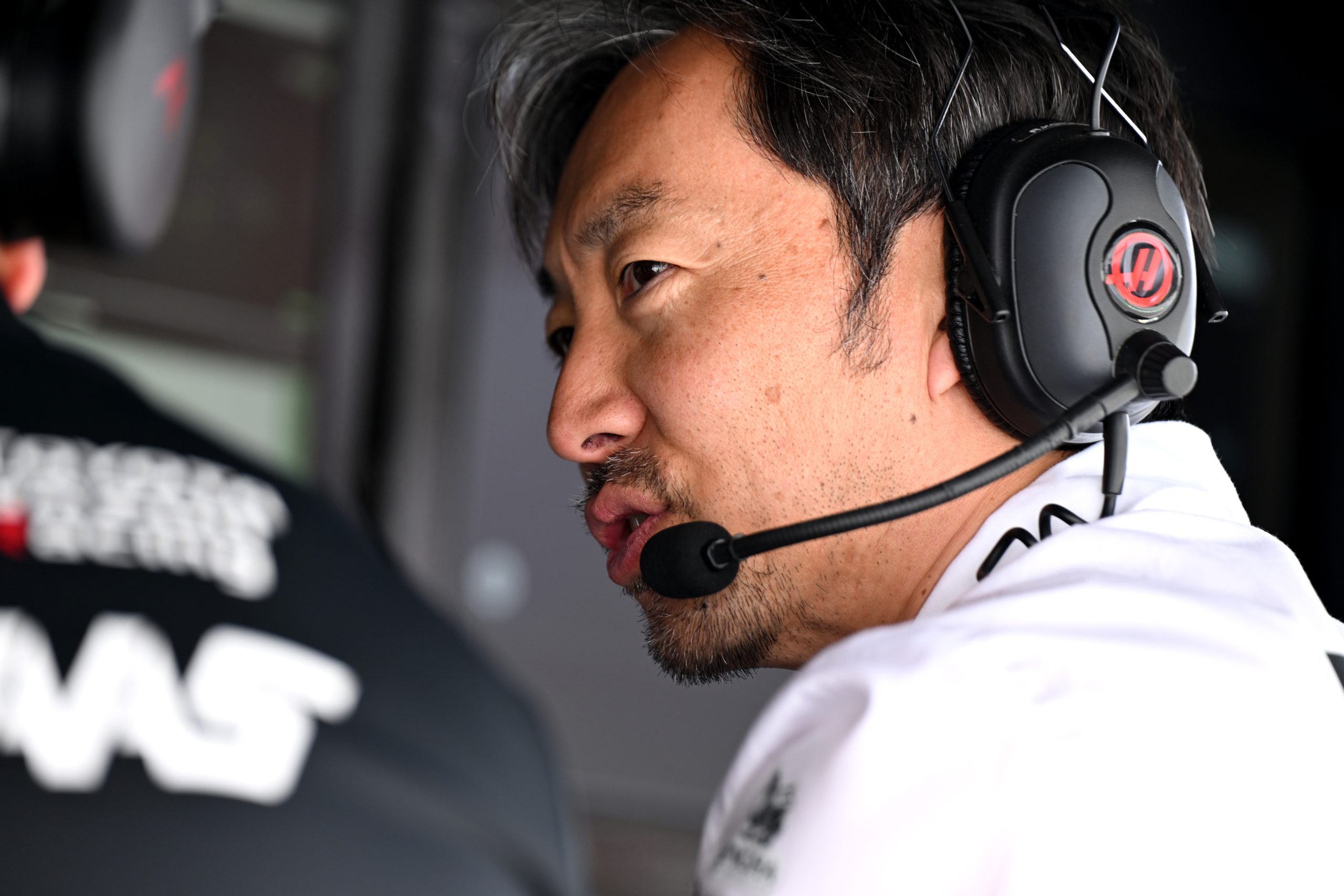
Haas' Mid Year Reckoning Lays Bare F1's Fatal Obsession With Aero Over Raw Mechanical Truth
Haas team principal Ayao Komatsu reveals the team aims to finalize its 2027 driver line-up by mid-year, fueling speculation about Esteban Ocon's future after a tense season against rookie Ollie Bearman.
The decision window closing in on Haas this summer feels less like a routine lineup shuffle and more like the first gusts of a storm that could reshape how we value drivers in an era where wings dictate everything. Ayao Komatsu has pinned the 2027 call to May through July, a timeline that arrives exactly when Esteban Ocon finds himself outpaced by rookie Ollie Bearman and the paddock hums with tension over contracts that expire for both men.
Aero Dominance Masks True Driver Skill
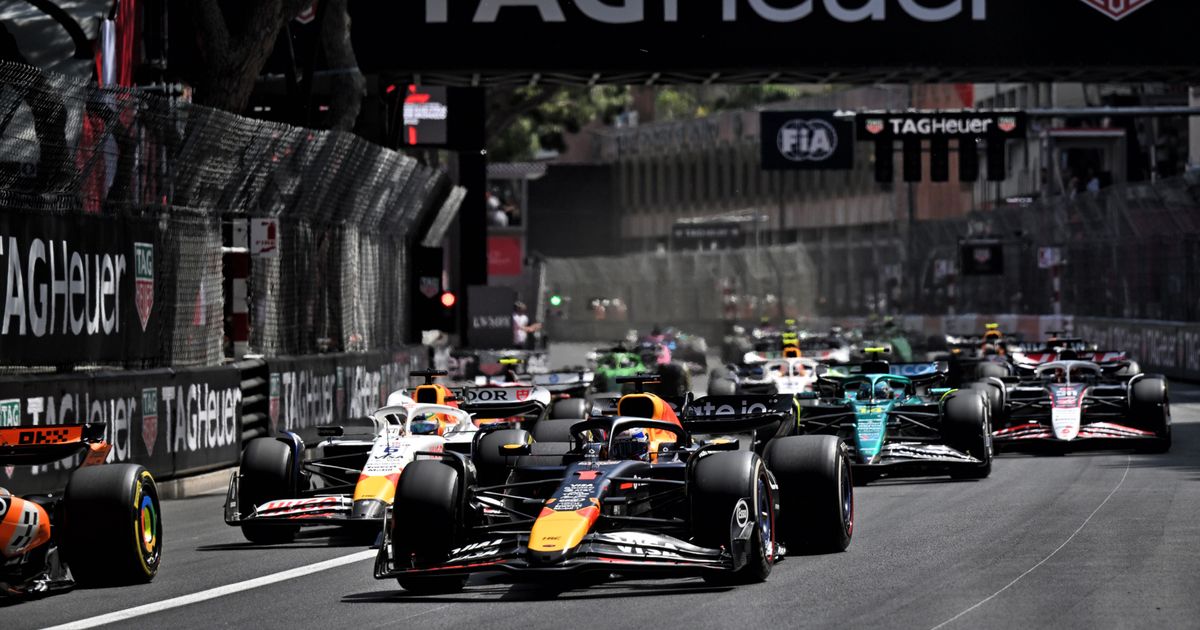
Komatsu's refusal to speculate under pressure echoes the same defensive crouch teams adopt when questioned about why certain drivers appear unbeatable. Much like how Max Verstappen's supposed mastery in 2023 stemmed primarily from Red Bull's superior chassis and aerodynamic package rather than any singular human brilliance, the choice at Haas risks repeating that error. Retaining a veteran race winner or switching to youth matters only if the underlying car rewards genuine car control instead of passive wing efficiency.
- Ocon has been consistently outperformed by Bearman in direct comparison this season.
- Reserve Jack Doohan sits as the internal option while Yuki Tsunoda draws external interest tied to Toyota influence.
- The Frenchman labeled paddock rumors of a fractured relationship complete bullshit during the Montreal weekend.
This pattern reveals an industry that continues to undervalue mechanical grip and tire management. Modern designs chase ever higher downforce numbers at the expense of the direct feedback loop between driver and surface, producing cars that feel more like flying machines than ground vehicles. The result is racing that grows less chaotic in the right ways and more predictable in the wrong ones.
FW14B Lessons Ignored in the Rush Toward Complexity
Current F1 machinery has drifted far from the elegant mechanical honesty of the 1990s Williams FW14B, where active suspension and clever engineering delivered performance through simplicity rather than layers of vortex management. Haas now stands at a crossroads where its driver selection will either reinforce that flawed trajectory or force a reckoning.
Everybody's looking at next year's drivers.
Komatsu's clipped statement carries extra weight when viewed against the coming regulatory storm. Within five years, by 2028, the sport will almost certainly move to AI controlled active aerodynamics that render DRS obsolete. Races will turn more unpredictable yet less dependent on individual skill, as algorithms manage airflow in real time and drivers become system monitors rather than tactile pilots. The mechanical connection that once defined greats will erode further unless teams like Haas deliberately seek drivers who excel at tire preservation and raw traction feel.
- Bearman's rookie pace already hints at adaptability to aero heavy machinery.
- Ocon's experience could prove decisive if the team pivots toward setups that reward consistency over outright grip.
The tension behind the scenes at Haas mirrors a broader industry reluctance to admit that aerodynamic complexity has dulled the human element. Komatsu's tight lipped stance suggests multiple scenarios remain live, yet the underlying car philosophy will ultimately decide whether the chosen pairing can thrive when downforce alone no longer guarantees results.
The Road to 2028 Demands a Return to Mechanical Priorities
Haas' timeline forces the entire midfield to confront uncomfortable truths about what actually separates drivers once the wings lose their overwhelming influence. If the team leans toward youth, it may accelerate the shift toward drivers optimized for future AI systems. If it retains experience, it could buy time to rediscover the undervalued art of mechanical setup that made earlier eras thrilling. Either path carries consequences for how chaotic and driver centric F1 remains once active aerodynamics arrive in full force. The summer decision will not merely fill seats. It will test whether the sport still believes in the person behind the wheel or has surrendered entirely to the storm of airflow.
Don't miss the next lap
Get the deep dives and technical analysis from the world of F1 delivered to your inbox twice a week.
Zero spam. Only high-octane analysis. Unsubscribe anytime.
Join the inner circle
Get the deep dives and technical analysis from the world of F1 delivered to your inbox twice a week.
Zero spam. Only high-octane analysis. Unsubscribe anytime.