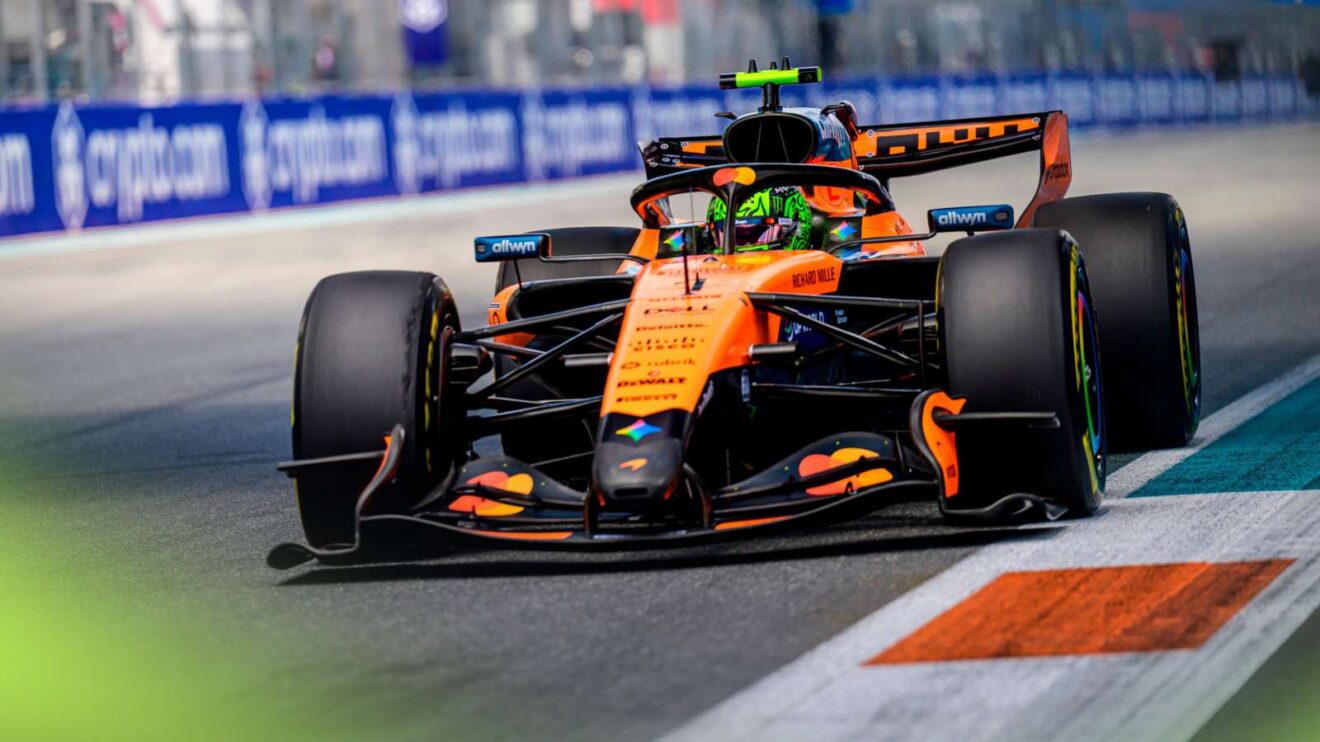
Lando Norris: Miami rule tweaks a 'step forward,' but more fixes needed
Lando Norris says recent tweaks to the 2026 F1 cars have made them feel more normal to drive, marking a 'step forward' after his earlier criticism. However, he and Charles Leclerc agree that a core issue remains where drivers are penalized for going faster in qualifying, and further fixes are needed to allow flat-out laps.
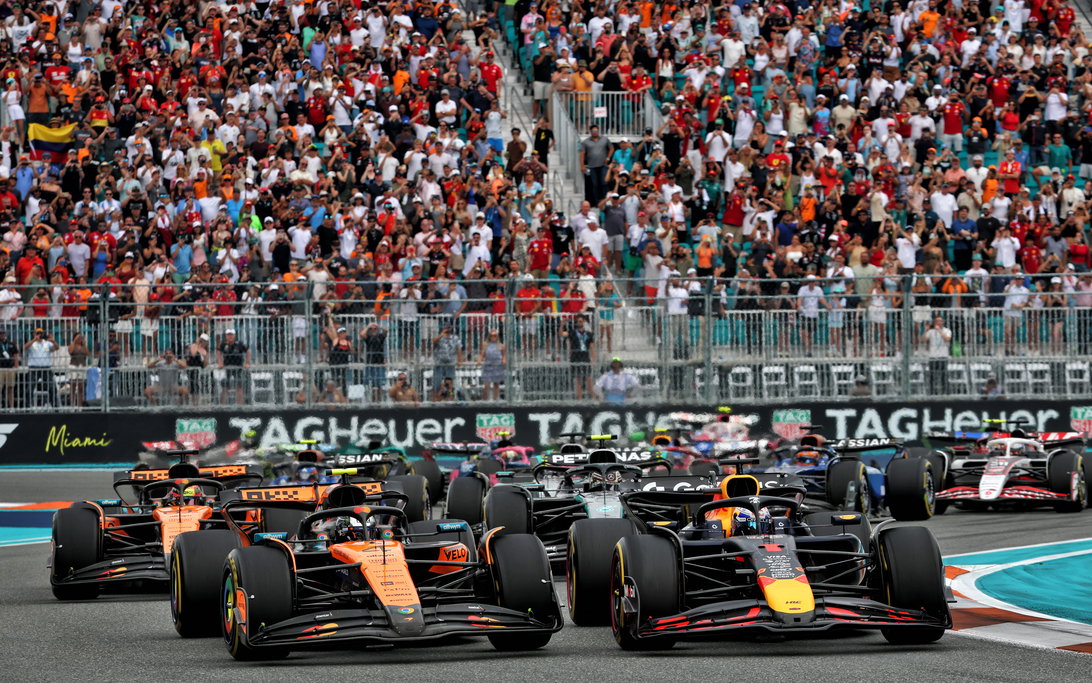
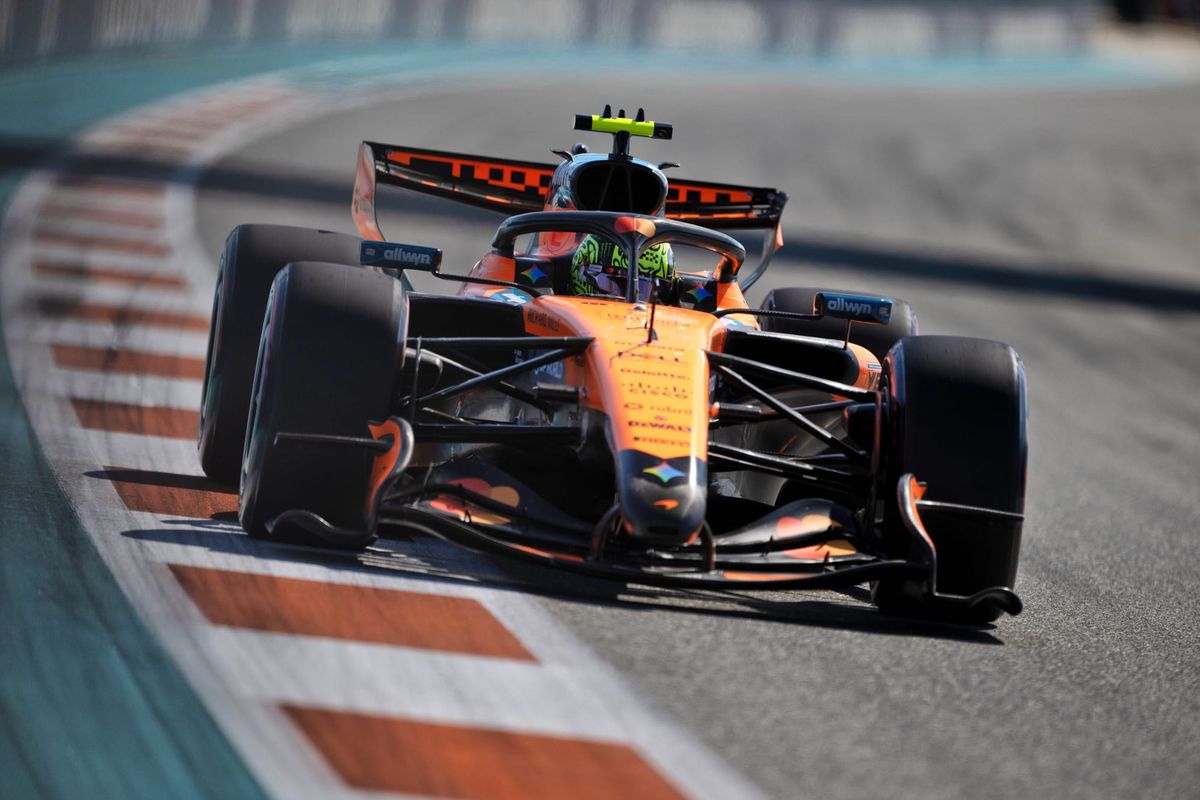
Lando Norris has acknowledged that recent tweaks to the 2026 technical regulations have improved the driving experience, describing the car as feeling "a little bit more normal to drive" during the Miami Grand Prix weekend. However, the McLaren driver emphasized that fundamental issues remain, where drivers are still penalized for pushing too hard in certain corners, and called for further fixes to allow for flat-out qualifying laps. His Ferrari rival, Charles Leclerc, agreed with the assessment but urged for realistic expectations about how much can be changed within the current regulatory framework.
Why it matters:
The driver feedback on these mid-season adjustments is a critical barometer for the success of the sweeping 2026 regulations, which overhauled both chassis and power unit rules simultaneously. Finding a balance between the sport's sustainability goals and delivering a car that drivers can attack is essential for the quality of racing and the spectacle of Formula 1. If the core issue of being penalized for speed persists, it could undermine the competitive integrity of qualifying and the drivers' ability to showcase their skill.
The details:
- The specific regulation tweaks, agreed upon in April, included a reduction in the overall recharge limit, an increase in super clip capacity, and a cap on Boost Mode power.
- Norris, who took pole and victory in the Miami Sprint, confirmed the changes helped, stating that for "the majority of the laps yesterday in quali, you could push" without excessive management.
- The unresolved problem, as highlighted by Norris, is a system where "the quicker you go, the more penalised you get" in specific track sections, which contradicts the goal of pure, flat-out qualifying runs.
- Charles Leclerc echoed Norris's sentiment, agreeing the steps taken by the FIA were in the right direction and made things better, but expressed doubt that all the inherent issues with the new technical rules can be completely eliminated.
What's next:
Drivers are pushing for more revisions, but the timeline for significant changes remains uncertain. Norris suggested that further benefits of the current tweaks might be more apparent at circuits other than Miami, and that major fixes may have to wait "later in the year, but also into the future years." Leclerc's call for realism underscores the challenge of making substantial alterations once a radical new set of regulations is locked in, setting the stage for ongoing dialogue between the drivers, teams, and the FIA throughout the season and beyond.
Don't miss the next lap
Get the deep dives and technical analysis from the world of F1 delivered to your inbox twice a week.
Zero spam. Only high-octane analysis. Unsubscribe anytime.
Join the inner circle
Get the deep dives and technical analysis from the world of F1 delivered to your inbox twice a week.
Zero spam. Only high-octane analysis. Unsubscribe anytime.
Continue Reading
View More News