Leclerc’s Monaco Crash Linked to Rejected Brake Specification
Charles Leclerc's heartbreaking retirement at the Monaco Grand Prix was reportedly caused by a brake failure he could have avoided by adopting a setup already used by teammate Lewis Hamilton.
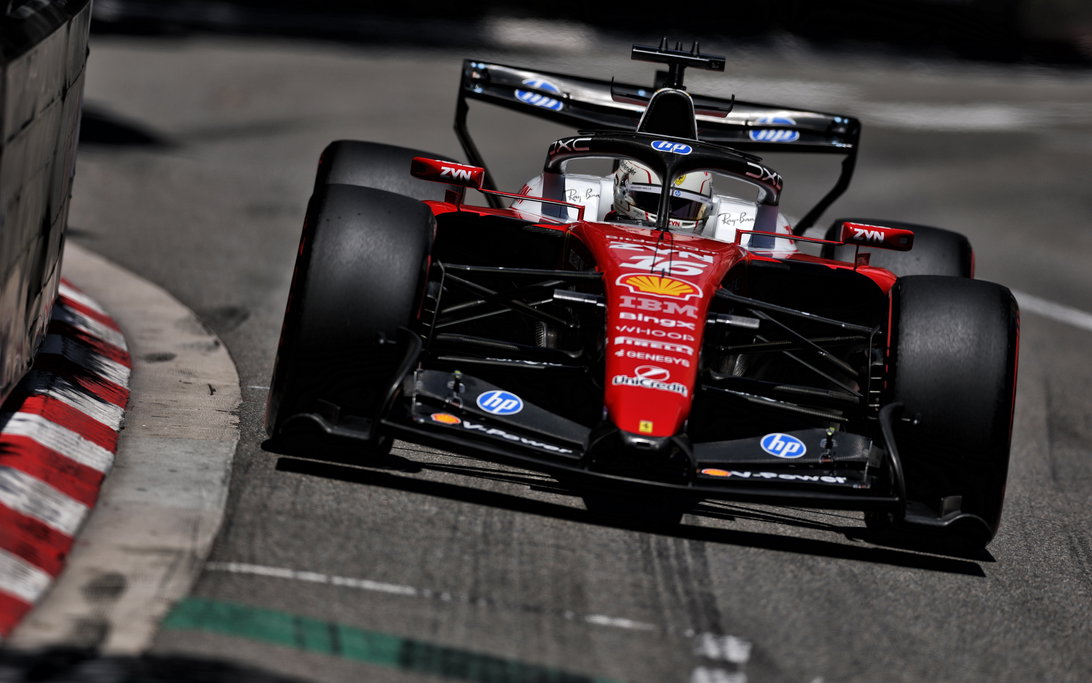
Charles Leclerc’s crash at the Monaco Grand Prix was not a simple driver error, but a technical failure rooted in a strategic decision regarding brake specifications. The SF-26 slammed into the barriers after three of four brakes failed to bite following a safety car restart, leaving the Monegasque driver devastated and openly critical of the team's technical direction.
Why it matters:
This incident highlights the precarious balance of the 2026 technical regulations. In a sport where marginal gains determine victory, Leclerc's choice to defer a potential solution until the Spanish GP cost him his home race and exposed a critical vulnerability in the SF-26's thermal management under specific conditions.
The details:
- Thermal Failure: Leclerc reported that excessively cold rear brakes and a partially cold right-front produced almost no deceleration when pressure was applied to the pedal.
- The 2026 MGU-K Factor: Under current regulations, energy recovery is handled exclusively via the MGU-K. Because the FIA reduced electrical output for safety during the weekend, the rear brake regeneration demand dropped, preventing the brakes from reaching their optimal operating window.
- The 'Hamilton Spec': While Leclerc struggled, Lewis Hamilton reported no such issues. It is speculated that Hamilton has been running Carbone Industrie discs and pads since Miami, which offer a broader thermal activation range than the standard Brembo setup.
- Monaco's Layout: The circuit's low average speeds and lack of heavy braking zones meant Leclerc had no way to manually generate the necessary heat to keep the brakes functional.
What's next:
Ferrari is now under pressure to harmonize driver setups and resolve the thermal instability of the SF-26. All eyes turn to the Circuit de Barcelona-Catalunya, where Leclerc is finally expected to adopt the modified brake specification. This transition will be critical to determine if the "Hamilton solution" can stabilize the car's performance across diverse track temperatures and prevent further avoidable retirements.
Don't miss the next lap
Get the deep dives and technical analysis from the world of F1 delivered to your inbox twice a week.
Zero spam. Only high-octane analysis. Unsubscribe anytime.
Join the inner circle
Get the deep dives and technical analysis from the world of F1 delivered to your inbox twice a week.
Zero spam. Only high-octane analysis. Unsubscribe anytime.
Continue Reading
View More News