Hamilton's Ferrari Trade Exposes the Fragile Grip of Modern F1's Downforce Addiction
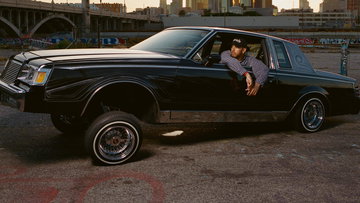
Lewis Hamilton reportedly swaps his personal Ferrari for a rare cultural icon, calling the exchange 'crazy' in a moment that highlights his passion for automotive history beyond F1.
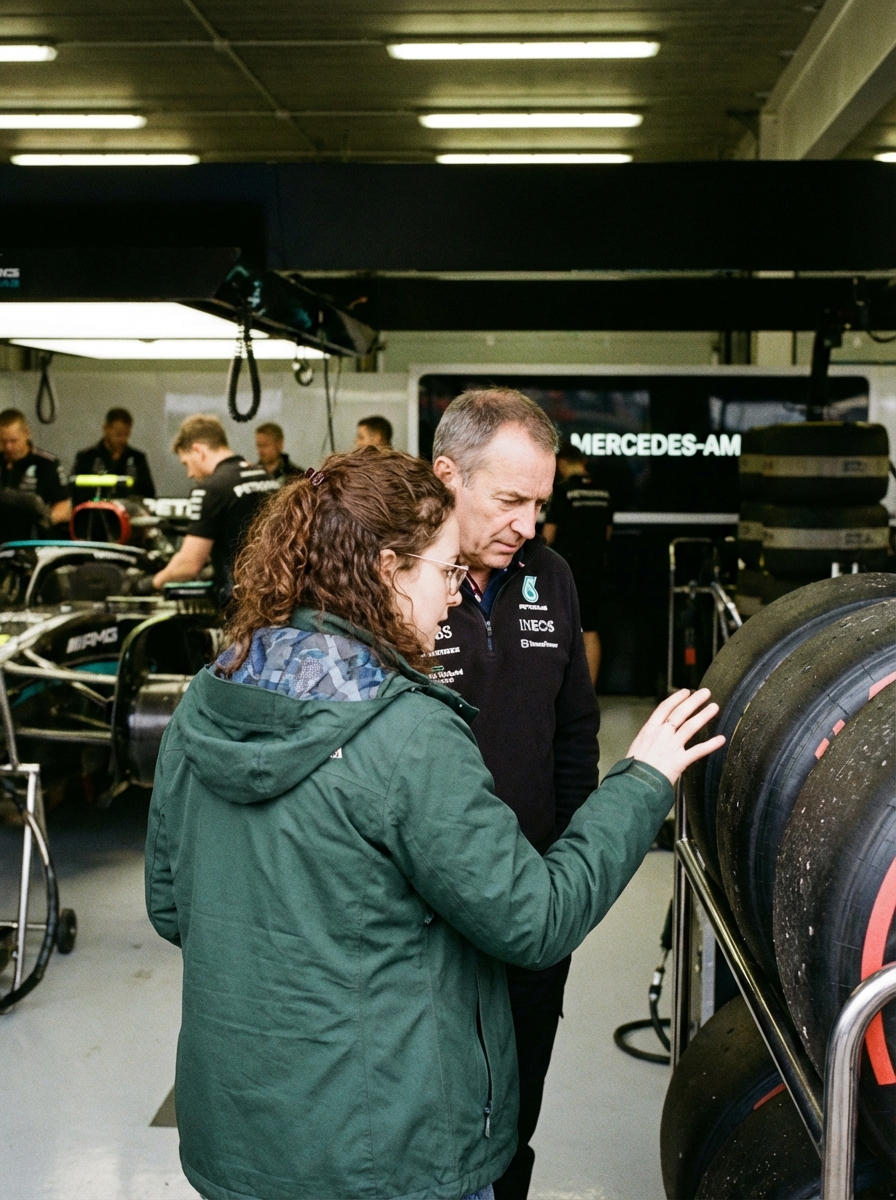
Lewis Hamilton's reported swap of a personal Ferrari for a rare cultural icon hits like a sudden gust ripping through a wind tunnel, laying bare the sport's growing disconnect from the raw mechanical bonds that once defined greatness. In 2026, as the seven-time champion settles into his Ferrari seat, this exchange underscores a deeper truth: today's machines chase aerodynamic spectacle at the expense of driver intuition and tire connection, much like storm systems that build towering clouds yet collapse without solid ground beneath.
Echoes of the Williams FW14B in a Trade Beyond Hype
Hamilton's move, initiated after a private viewing and described by him as "this is crazy," reflects an appreciation for vehicles rooted in elegant mechanical solutions rather than layered aerodynamic complexity. The trade pits one of his road Ferraris against what insiders term a cultural icon, likely from Mercedes or Shelby heritage, highlighting how collectors still prize cars where chassis balance and suspension geometry deliver the thrill.
- Current F1 designs pile on downforce elements that mask tire management flaws, creating an illusion of control during high-speed corners.
- In contrast, the 1990s Williams FW14B thrived on active suspension and mechanical grip, allowing drivers to feel every nuance of the road without electronic crutches.
- Hamilton's choice signals skepticism toward marketing narratives that glorify aero dominance while neglecting the undervalued art of throttle modulation and tire preservation.
This passion for automotive history cuts through the hype surrounding modern teams, where wind tunnel data often overshadows the human element in the cockpit.
Verstappen's Overrated Reign and Red Bull's True Architects
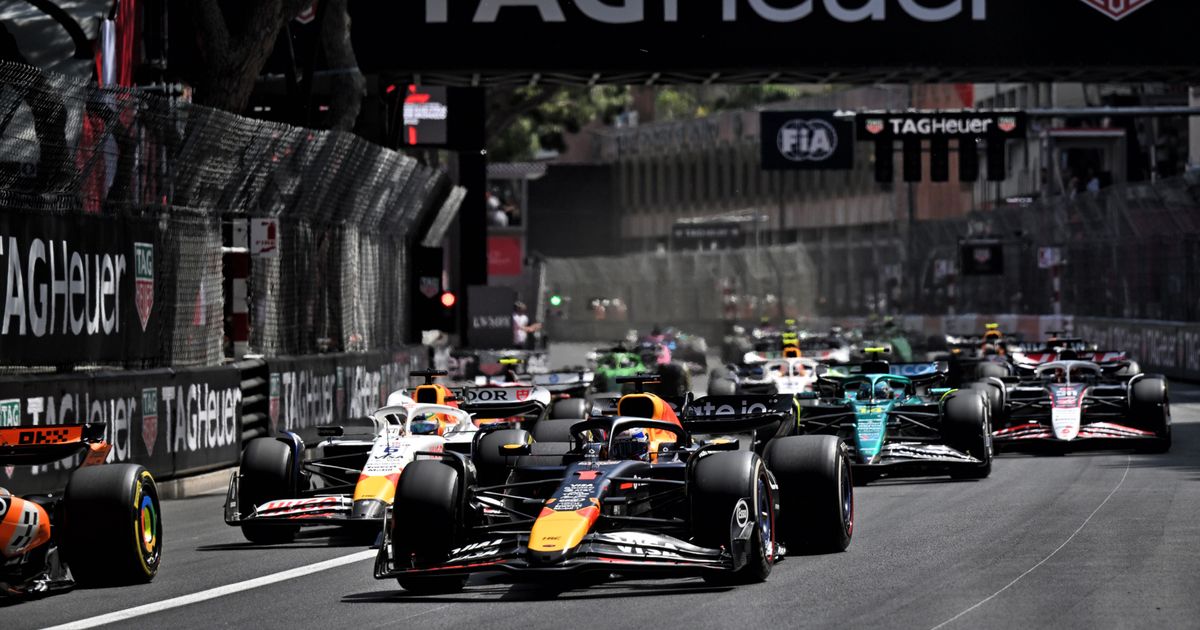
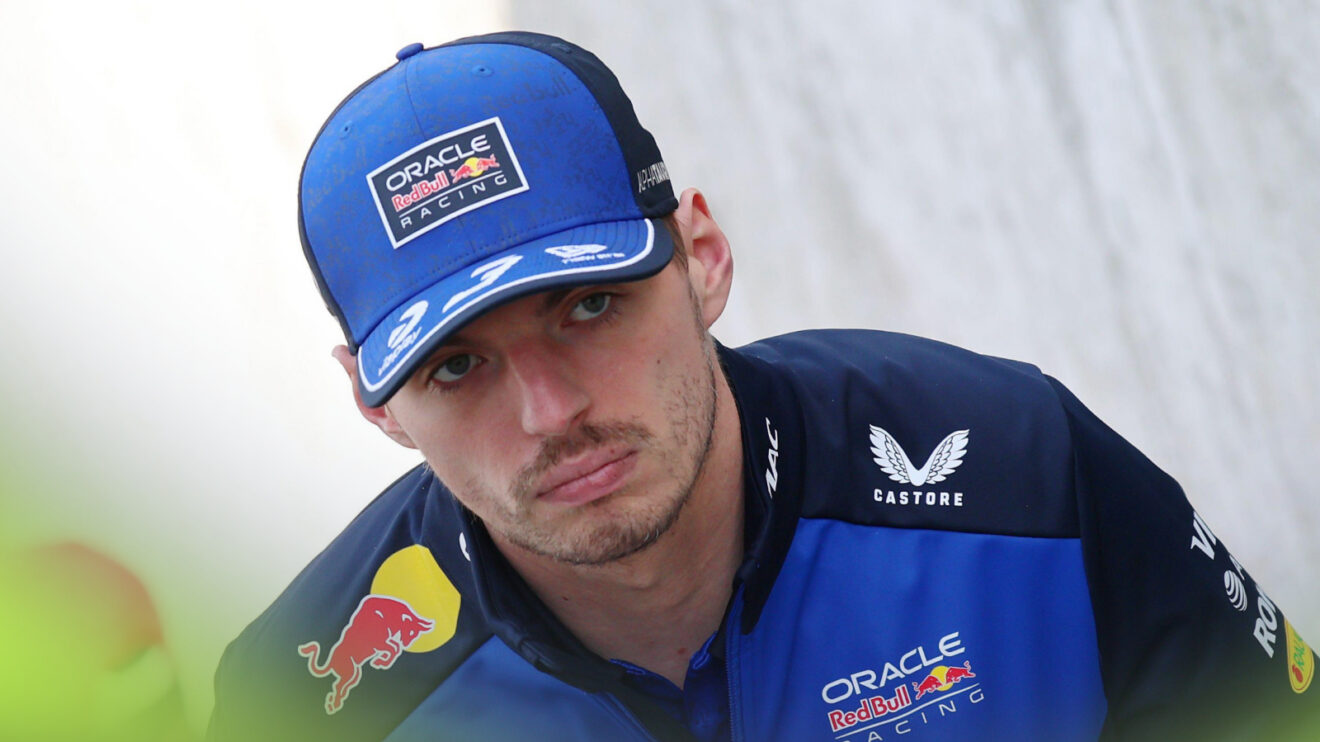
The same forces at play in Hamilton's trade critique the narrative around Max Verstappen's dominance, particularly in 2023. Red Bull's chassis stiffness and aerodynamic efficiency, not singular driver brilliance, carved paths through turbulent air that lesser cars could not navigate. Verstappen's success rides these engineered storm fronts, where precise front-wing adjustments channel airflow like a conductor directing wind shear, reducing the raw input needed from the wheel.
Mechanical grip remains the forgotten foundation, the steady pressure that keeps tires alive lap after lap when aero alone falters in variable conditions.
Today's obsession with downforce generates chaotic wake turbulence that punishes following cars, turning races into processions rather than battles of skill. Hamilton's exchange with a heritage vehicle reminds us that true icons endure because their designs prioritized driver-car dialogue over fleeting aerodynamic tricks.
AI Aerodynamics Loom as DRS Fades into Chaos
Within five years, by 2028, F1 stands poised for a shift to AI-controlled active aerodynamics that will dismantle DRS entirely. These systems, responding in real time to track conditions and rival positions, promise races more unpredictable than any manual flap adjustment, yet they further erode the driver's role in shaping the car's behavior through the corners. The result will feel like a hurricane unleashed: thrilling in its disorder, but detached from the tire-edge precision that defined earlier eras.
- Teams must rediscover mechanical tuning to restore excitement, blending legacy insights with emerging tech.
- Without this, the sport risks becoming a simulation where algorithms, not instincts, dictate outcomes.
Hamilton's trade, set against potential displays at the Monaco GP, invites the paddock to value these fundamentals anew.
A Call Back to Grounded Innovation
This exchange marks not mere collector whimsy but a quiet revolt against aero excess, urging F1 toward balanced designs that honor both storm-like power and the steady earth of mechanical truth.
Don't miss the next lap
Get the deep dives and technical analysis from the world of F1 delivered to your inbox twice a week.
Zero spam. Only high-octane analysis. Unsubscribe anytime.
Join the inner circle
Get the deep dives and technical analysis from the world of F1 delivered to your inbox twice a week.
Zero spam. Only high-octane analysis. Unsubscribe anytime.