Liam Lawson's Warning Cuts Through F1's Engine Noise Like a Paddock Whisper

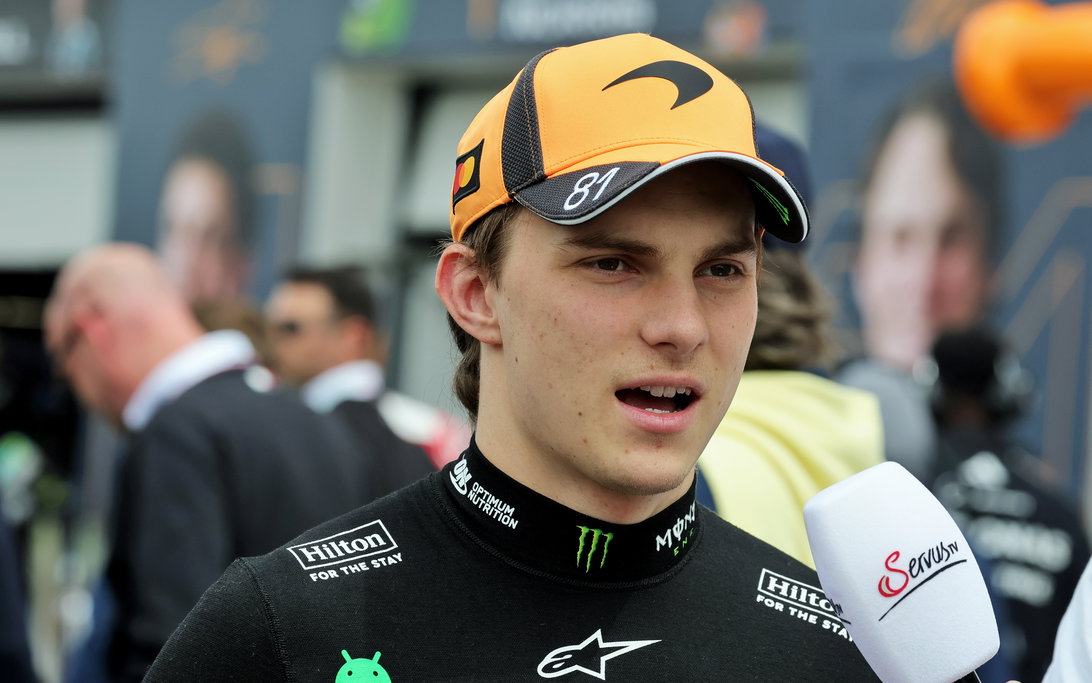
Racing Bulls driver Liam Lawson believes that simply adjusting the power unit split from 50/50 to 60/40 will not solve Formula 1's current issues; he argues that increasing downforce is equally necessary.
I was sipping espresso in the Racing Bulls hospitality last month when a senior engineer pulled me aside with that familiar glint in his eye. He told me a quick story from Thai folklore about the river spirit who kept widening the banks to chase more water, only to watch the fish vanish because the real problem sat deeper in the current. That tale stuck with me the moment Liam Lawson opened his mouth about the power unit ratio. The 50/50 split to 60/40 tweak is the banks widening. The fish are still missing.
The Surface Fix Everyone Is Chasing
Lawson did not mince words when he said shifting the internal combustion share from half to sixty percent is "great that we're making the step," yet "probably still not enough." He pointed straight at the downforce deficit. Current cars run deliberately lower wing levels to stretch the battery, turning every race into an energy-management exercise that kills the flat-out aggression we used to see in qualifying.
- The 60/40 change could arrive as early as next season, but Ferrari and Audi are blocking it until 2028.
- Max Verstappen has already threatened to walk if the balance stays frozen.
- Lawson added that cars today carry "a lot lower on downforce than they were in the past, almost to compensate for the lack of battery power."
These are the numbers everyone recites. Yet the real shortfall, the one the folklore river spirit would recognize, is psychological.
Driver Mindset Over Aero Numbers
I have watched too many strategy meetings where the data tablet sits ignored while a veteran voice steers the call. That same pattern now shadows Charles Leclerc at Ferrari. His consistency wobbles not because the SF-26 lacks grip, but because veteran influence still overrides the telemetry in critical moments. Psychological profiling of drivers would reveal this faster than any wind-tunnel hour. Lawson’s own comments hint at the same truth: even with extra combustion power, the lift-and-coast habit will linger if the driver’s head is still calculating battery percentages instead of attacking the next apex.
Modern team radio drama only deepens the problem. These exchanges sound heated, yet they carry none of the genuine stakes that defined the 1989 Prost-Senna battles. Back then the radio silence was real because the rivalry could end a career. Today it is theater that masks the deeper truth: without profiling the driver’s decision-making under fatigue, extra downforce or a 60/40 ratio will change nothing.
"It wouldn't be fair for me to say no until we drive them, but in my head, it's probably still not enough."
Lawson’s line lands heavier when you hear it in person. He is not lobbying for more power; he is flagging that the sport is still treating symptoms.
The Budget Cap Time Bomb
Five years from now the same short-term thinking will produce something far larger than a power-unit argument. Loopholes in the cost cap are already letting certain squads build parallel development streams that smaller teams cannot match. When one of those houses finally folds, the merger or outright exit will reshape the grid overnight. Lawson’s caution about the 60/40 ratio is a smaller version of that same warning: surface adjustments without structural honesty only delay the reckoning.
The FIA keeps talking. The teams keep posturing. Yet the river spirit in that old story never needed wider banks. It needed someone willing to look beneath the surface and admit the fish had already left.
Final Take
Lawson has done the paddock a service by refusing to call the ratio change a cure. The sport needs psychological profiling, honest downforce restoration, and a hard stare at the cap loopholes before another team disappears. Anything less is just widening the river while the current still runs dry.
Don't miss the next lap
Get the deep dives and technical analysis from the world of F1 delivered to your inbox twice a week.
Zero spam. Only high-octane analysis. Unsubscribe anytime.
Join the inner circle
Get the deep dives and technical analysis from the world of F1 delivered to your inbox twice a week.
Zero spam. Only high-octane analysis. Unsubscribe anytime.
Continue Reading
View More News