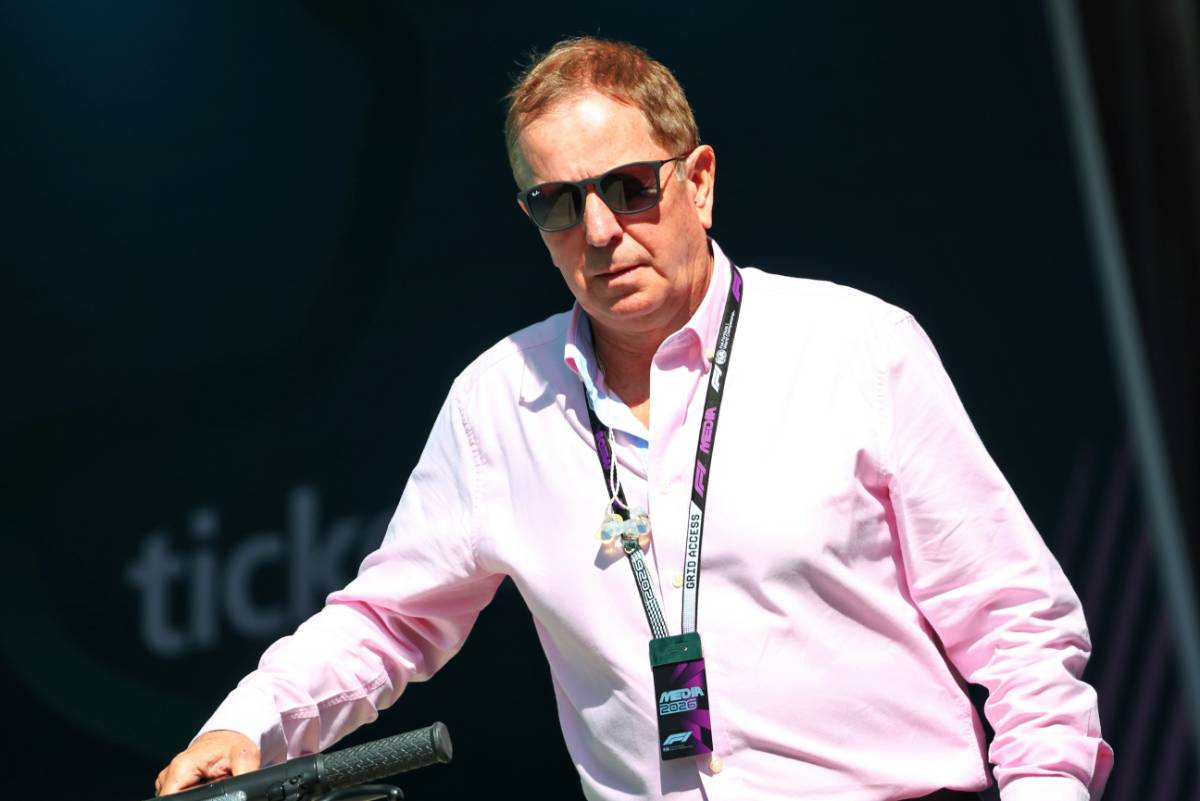
Martin Brundle praises F1's 'fast and alive' cars after Miami GP rule tweaks
F1 pundit Martin Brundle hailed recent technical rule tweaks after the Miami GP, stating the cars now look "fast and alive" and drivers are happier. He believes the changes, which smooth power delivery and reduce extreme closing speeds, put the sport on the right track following earlier criticism, with the main race delivering an unpredictable and action-packed spectacle.
Sky Sports F1 analyst and former driver Martin Brundle has declared Formula 1 is moving "in the right direction" after a series of technical rule tweaks delivered a vibrant and unpredictable Miami Grand Prix. He observed happier drivers and cars that looked "fast and alive," marking a significant shift from earlier criticisms of the current regulatory era.
Why it matters:
The 2026 regulations loom, but the current rule set remains the reality for two more seasons. After widespread driver complaints about energy management and inconsistent power delivery, the sport's governing body acted to refine the hybrid power unit rules. Brundle's positive assessment from Miami suggests these mid-cycle adjustments could successfully enhance the on-track product and racing spectacle before the next major overhaul.
The details:
- The technical directive focused on smoothing the deployment of combined engine and battery power around a lap and reducing extreme closing speeds between cars on different energy strategies.
- Brundle noted the changes made an immediate impact: "Drivers seemed much happier generally, and the cars looked fast and alive, with a decent surplus of power over grip on corner exits."
- A key improvement was reducing instances of cars "labouring" on straights as the kinetic motor prioritized recharging the battery over delivering power.
- While Miami's layout is favorable for energy recovery, Brundle emphasized the improvements were due to the rule "finessing," not just the circuit.
- The Sprint race initially caused concern for Brundle, appearing too processional after the start, but the Grand Prix itself delivered a dynamic show.
- The main event featured five different leaders, multiple lead changes, and two critical overtakes in the final two corners.
What's next:
Brundle's optimism is tempered by the understanding that this is an ongoing process. He expects teams to "continue to converge as they finesse and further understand these regulations." While drivers like McLaren's Oscar Piastri acknowledge progress but call for further refinements, Miami served as a proof of concept. The upcoming race in Montreal will be the next test to see if the improved racing feel translates to another circuit, offering more evidence that F1 has found a better balance between complex hybrid technology and pure racing excitement.
Don't miss the next lap
Get the deep dives and technical analysis from the world of F1 delivered to your inbox twice a week.
Zero spam. Only high-octane analysis. Unsubscribe anytime.
Join the inner circle
Get the deep dives and technical analysis from the world of F1 delivered to your inbox twice a week.
Zero spam. Only high-octane analysis. Unsubscribe anytime.
Continue Reading
View More News