Martin Brundle's 'Toast and Butter' Analogy Explains F1's Energy Rule Changes
Martin Brundle uses a breakfast analogy to describe F1's mid-season rule tweaks aimed at better energy distribution and reducing dangerous closing speeds.
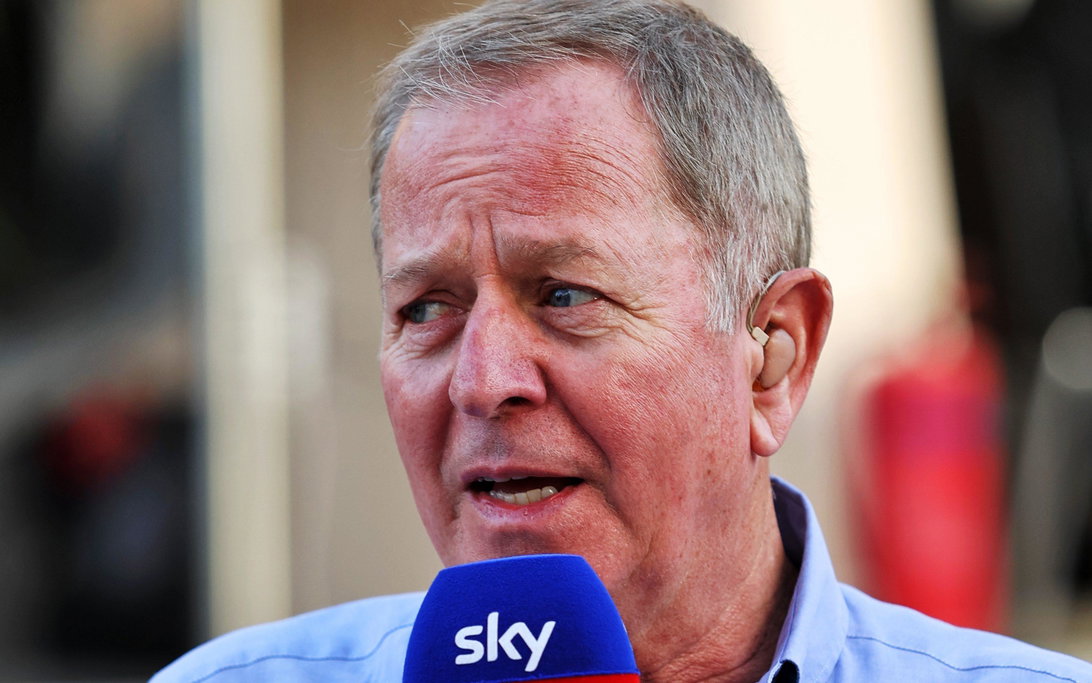
Martin Brundle has offered a uniquely relatable analogy — comparing F1's latest rule tweaks to spreading cold butter on hot toast — to explain the FIA's mid-season adjustments aimed at improving energy distribution and reducing dangerous closing speeds.
Why it matters:
The changes, implemented after the first three races, address critical safety concerns and aim to make racing more sustainable by preventing drivers from having to excessively lift and coast. They also seek to mitigate the risk of high-speed crashes caused by massive horsepower differentials when one driver uses the boost button.
The details:
- The FIA reduced the overall energy harvest from 8MJ to 7MJ per lap to reduce the need for "super-clipping" and lift and coast driving.
- Super-clipping, the process of fully charging the battery under braking, is now allowed up to 350kw, up from 250kw, giving drivers more energy deployment flexibility.
- A new slow-start safety net was introduced: the MGU-K provides a boost off the line to prevent stalls and near-misses like the one between Franco Colapinto and Liam Lawson in Australia.
- Brundle's analogy: "It is like your favourite slice of toast, all hot and ready to be eaten, and you put some butter on it out of the fridge, but the butter won't melt... You slice up the butter a little bit more, spread it around, and now you've got some delicious toast and hot butter, but it is the same toast and hot butter."
Between the lines:
The analogy highlights the delicate balance of redistributing the same total energy across the lap. The goal is to give drivers a more consistent power delivery without altering the fundamental performance limit.
What's next:
Drivers are expected to find the revised energy management less frustrating, potentially leading to closer racing and fewer incidents. The FIA will continue monitoring and may introduce further adjustments during the season.
Don't miss the next lap
Get the deep dives and technical analysis from the world of F1 delivered to your inbox twice a week.
Zero spam. Only high-octane analysis. Unsubscribe anytime.
Join the inner circle
Get the deep dives and technical analysis from the world of F1 delivered to your inbox twice a week.
Zero spam. Only high-octane analysis. Unsubscribe anytime.
Continue Reading
View More News