Ferrari's Power Woes Lay Bare F1's Fatal Flaw in Chasing Aero Complexity Over Raw Mechanical Connection
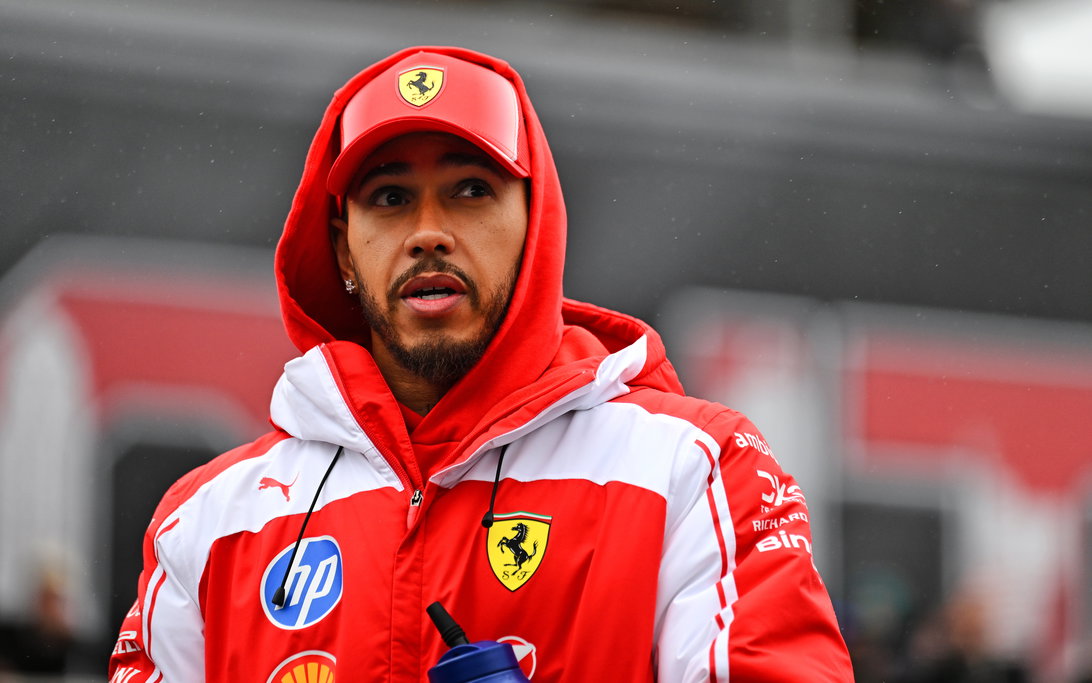
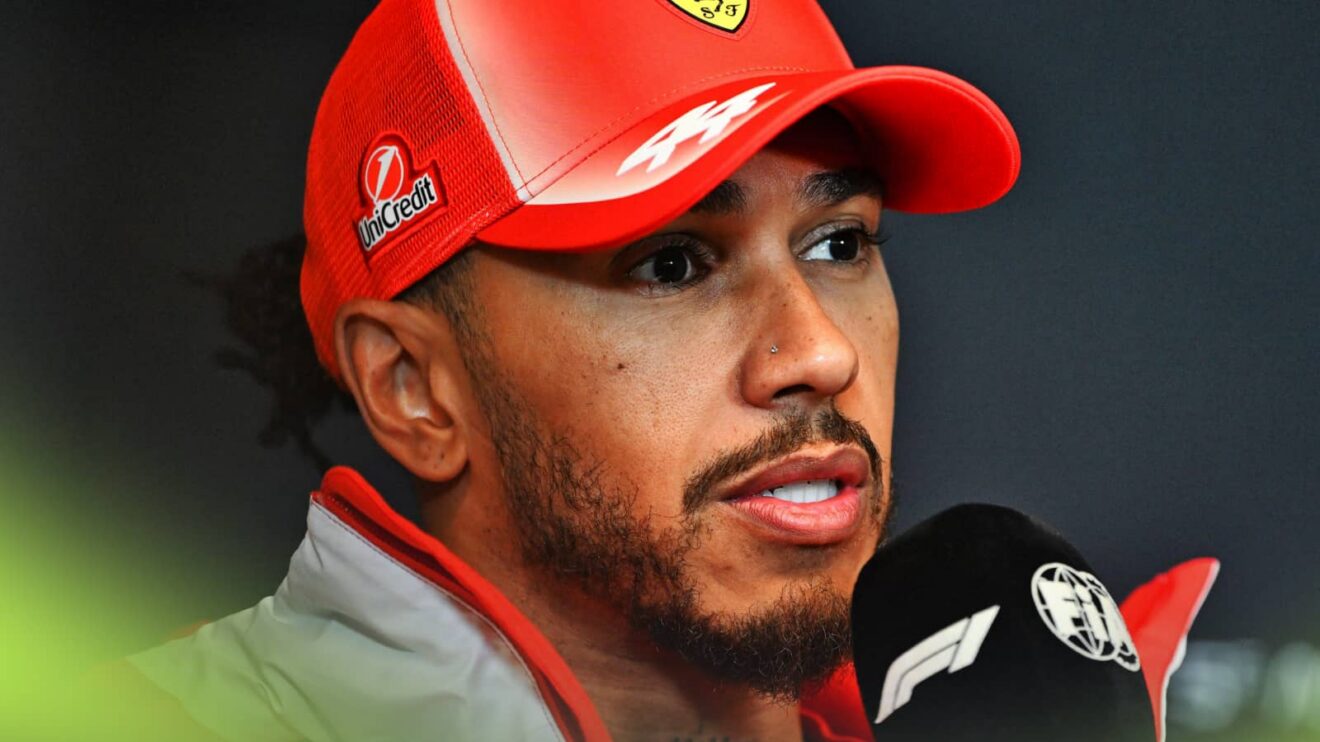
Hamilton admits Ferrari SF-26 is 'massively down' on straight-line power compared to Mercedes, but sees Monaco as a rare chance to fight for victory.
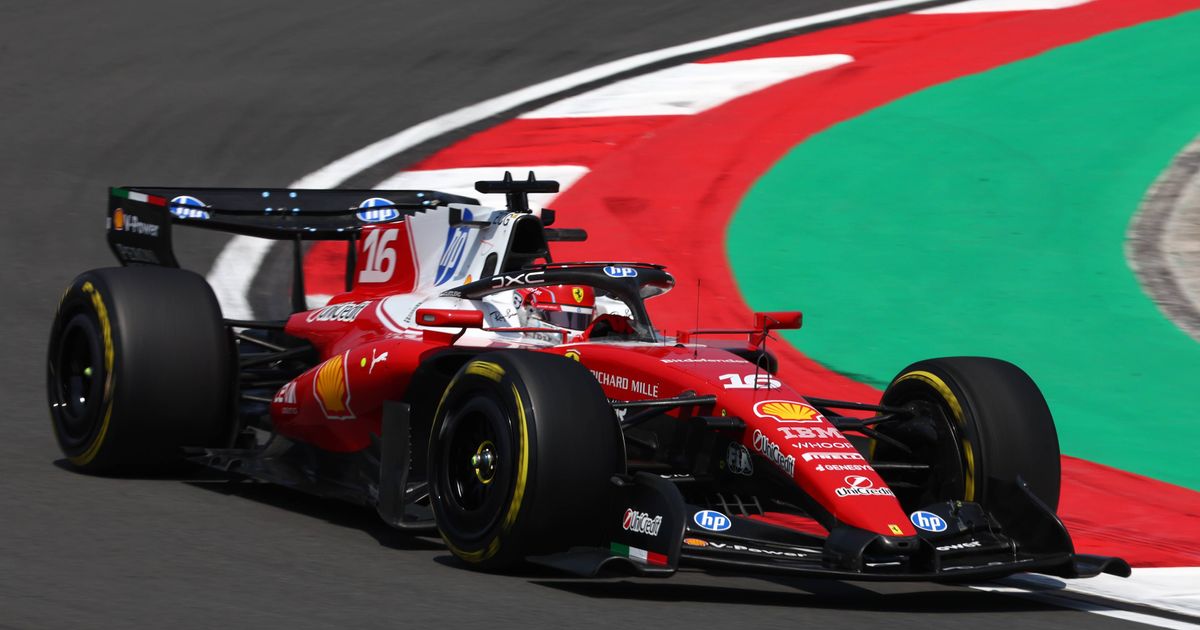
The Ferrari SF-26 slices through the air like a vessel caught in a sudden squall, its straight-line deficit turning every acceleration into a battle against invisible forces that no amount of downforce can tame. Lewis Hamilton's admission that the car sits massively down on power compared to Mercedes cuts deeper than a single race result. It exposes how modern Formula 1 has drifted from the elegant mechanical grip that once defined great machinery, favoring instead layers of aerodynamic excess that reduce the driver's direct conversation with the tires and track.
The Straight-Line Storm and Its Hidden Roots
Hamilton's words from Montreal land with the weight of repeated frustration. The SF-26 trailed Kimi Antonelli by more than ten seconds, even when the overtake mode was engaged, allowing Mercedes to pull clear on every long run. Four podiums from five races offer surface-level respectability, yet the Scuderia remains winless since 2024 while Mercedes claims every victory. This gap stems less from driver skill than from an engine architecture that cannot match the opposition's output.
- The deficit appears most brutally on conventional circuits where power delivery dictates position.
- Ferrari's rotating rear wing, introduced since Miami, offered partial compensation until regulatory changes intervene.
- Mercedes' advantage echoes patterns seen in earlier eras where chassis balance and tire management mattered more than peak horsepower figures.
Today's obsession with aerodynamic add-ons mirrors the very complexity that strangles driver input. Compare this to the 1990s Williams FW14B, a car whose active suspension and mechanical harmony allowed the driver to feel every nuance of grip without electronic crutches. Ferrari's current power unit struggles highlight how teams have sacrificed that raw connection for marginal aero gains that vanish the moment the track demands traction over top speed.
Monaco's Ban as an Unexpected Return to Basics
The FIA's decision to prohibit active aero for the Monaco weekend marks the first time movable wings will stay locked since DRS arrived. Ferrari's rotating rear wing will not appear, stripping away one electronic layer and forcing reliance on suspension geometry and tire behavior instead. Hamilton correctly identifies Monte Carlo as the track where power yields to cornering precision and throttle control.
This regulatory move creates a rare window. Without active systems, the cars must generate grip through mechanical means, much like the FW14B's approach that prioritized balanced weight transfer and tire contact over constant downforce tweaks. The result could reward drivers who manage energy through the pedals rather than relying on wing adjustments that flatten the racing line into predictable sequences.
"The one track that power is not king," Hamilton noted, adding that the SF-26 could prove really strong if the team extracts maximum performance from the opening practice session.
Such a ban hints at the direction Formula 1 will take within five years. By 2028, AI-controlled active aerodynamics will replace DRS entirely, producing chaotic airflow patterns that reduce the driver's role to managing system inputs rather than feeling the car slide at the limit. Monaco's temporary return to fixed wings offers a brief reminder of what gets lost when engineering prioritizes complexity over the storm-like interplay between tire and asphalt.
The ADUO Path and Why Mechanical Fixes Matter More
Ferrari qualifies for the Additional Development and Upgrade Opportunities scheme alongside Audi and Honda, granting extra development tokens to close the power gap. While this regulatory assistance may narrow the deficit later in the season, it risks repeating the same error of treating symptoms through added systems instead of addressing the chassis fundamentals that create true driveability.
Mechanical grip and tire management remain undervalued precisely because they lack the marketing appeal of headline power figures or active aero modes. Teams continue to pile on downforce elements that demand ever more sophisticated controls, distancing the driver from the machine in ways the FW14B never required. Hamilton's challenge at Ferrari will test whether a focus on these basics can deliver results before the AI era further automates the spectacle.
The long-term solution lies not solely in power unit revisions but in rediscovering the direct mechanical dialogue that once made racing cars feel alive beneath the driver. Monaco may deliver that glimpse before the next regulatory storm arrives.
Don't miss the next lap
Get the deep dives and technical analysis from the world of F1 delivered to your inbox twice a week.
Zero spam. Only high-octane analysis. Unsubscribe anytime.
Join the inner circle
Get the deep dives and technical analysis from the world of F1 delivered to your inbox twice a week.
Zero spam. Only high-octane analysis. Unsubscribe anytime.
Continue Reading
View More News