Max Verstappen Backs 2027 Engine Shift, But Many Drivers Still Want More
F1 drivers broadly support the proposed 2027 engine regulation changes, with Max Verstappen calling it a positive step. However, skeptics like Fernando Alonso and Carlos Sainz argue the adjustments don't fully restore the pure racing experience they crave.
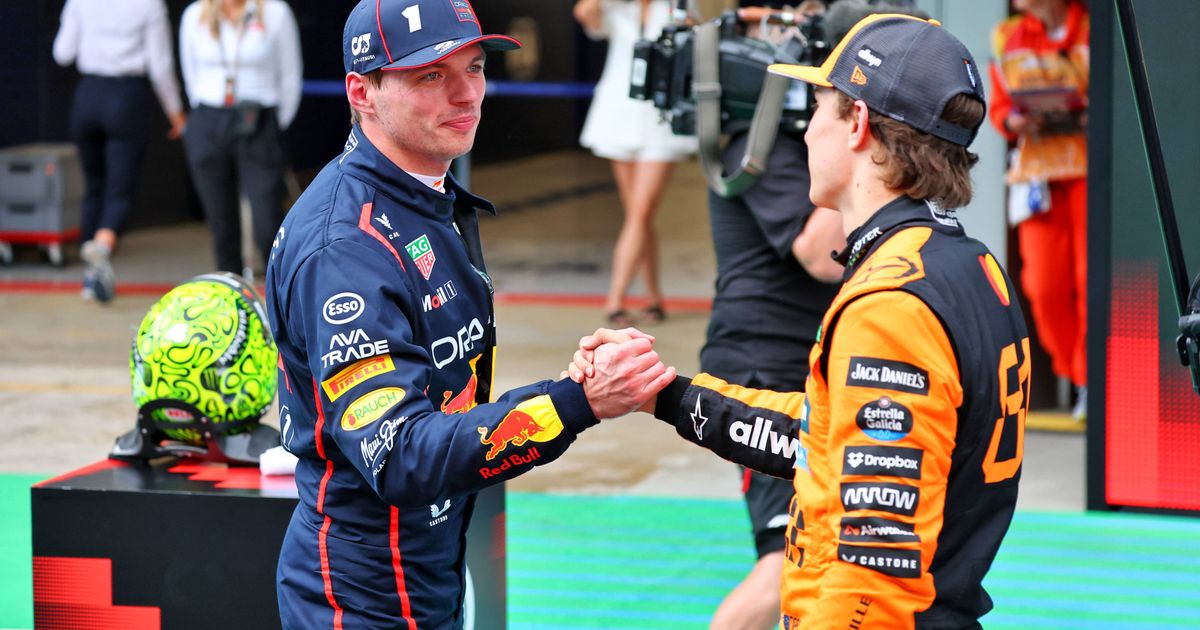
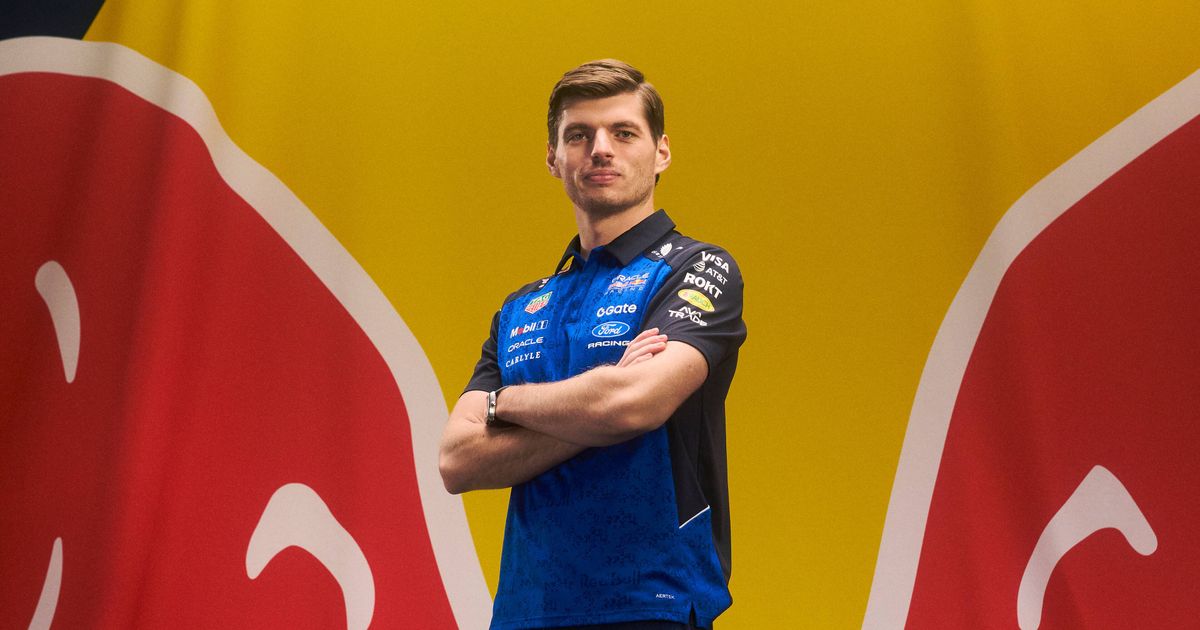
Planned changes to F1's engine regulations for 2027 have drawn broad support from drivers, particularly the shift to a 60-40 split favoring the internal combustion engine over electric power. Max Verstappen is notably optimistic, calling it the minimum he hoped for and a move that will improve the sport's product. Yet some drivers remain unconvinced, arguing the fundamental issues with the current power units run deeper than the energy ratio.
Why it matters:
F1's engine philosophy has been a growing source of tension since the hybrid era began. Drivers have complained that energy management dulls racing and makes cars feel unnatural. Getting the next generation right is critical to retaining top talent and keeping the sport exciting.
The details:
- Verstappen told GPblog in Canada last year that the 2027 direction aligns with what he believes the sport needs. For him, the enjoyment comes not just from winning but from the feel of the car and the quality of racing.
- Fernando Alonso sees the changes as insufficient. He argues the DNA of the power units still rewards slow cornering and that F1 lost a decade of pure racing by chasing electrification.
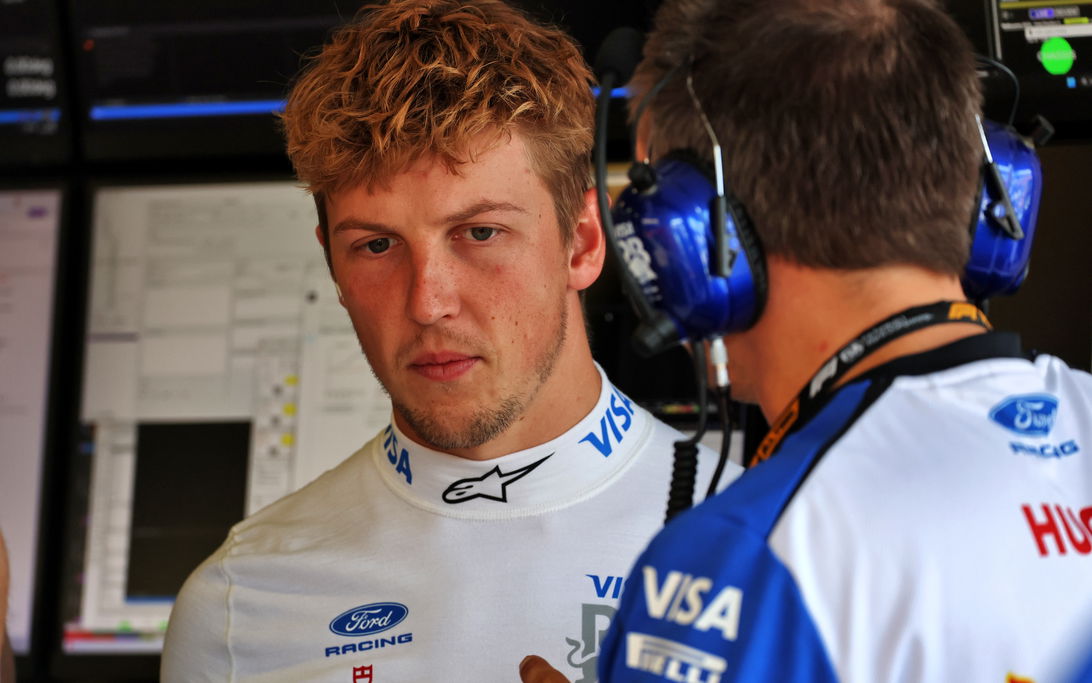
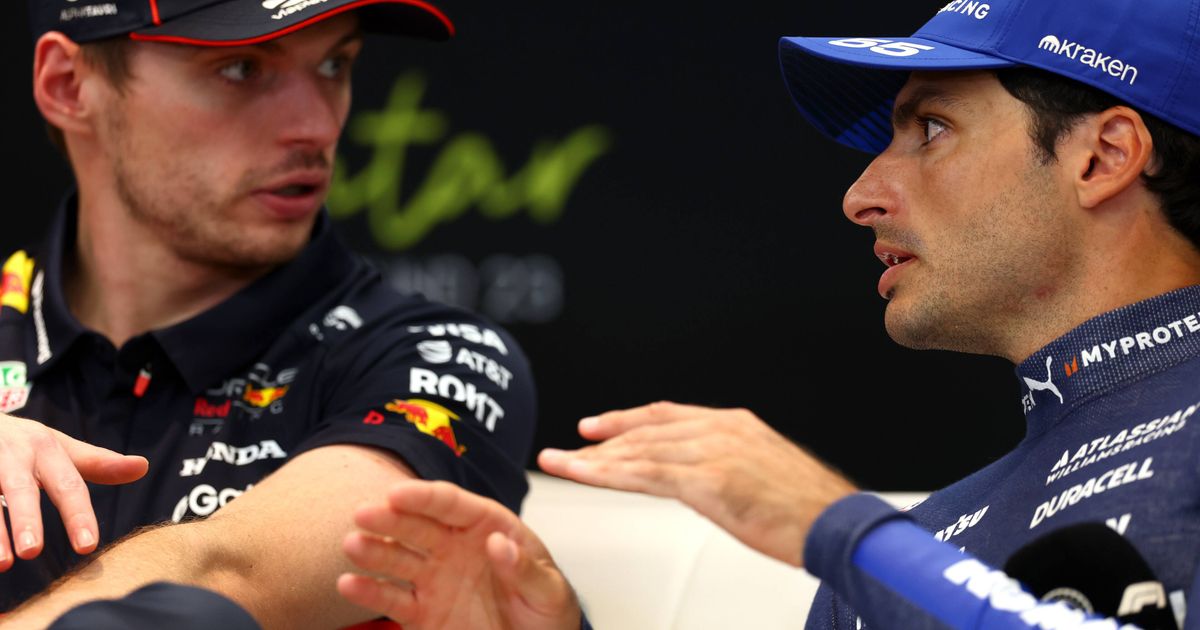
- Liam Lawson and Carlos Sainz echo similar concerns. Lawson says drivers want aggressive, loud cars that let them push constantly, while Sainz wants a 'real' F1 engine that doesn't force battery-saving.
- Isack Hadjar, Verstappen's Red Bull teammate, welcomes the proposed shift but hopes the plans are finalized soon.
What's next:
The 2027 regulations are not yet set in stone, but the direction is clear. With Verstappen hinting his future depends on the rules, F1's governing bodies face pressure to deliver a package that satisfies both drivers and manufacturers. The debate over what makes a proper F1 engine is likely to continue even after the changes are implemented.
Don't miss the next lap
Get the deep dives and technical analysis from the world of F1 delivered to your inbox twice a week.
Zero spam. Only high-octane analysis. Unsubscribe anytime.
Join the inner circle
Get the deep dives and technical analysis from the world of F1 delivered to your inbox twice a week.
Zero spam. Only high-octane analysis. Unsubscribe anytime.
Continue Reading
View More News