The Fractured Psyche of a Suppressed Champion
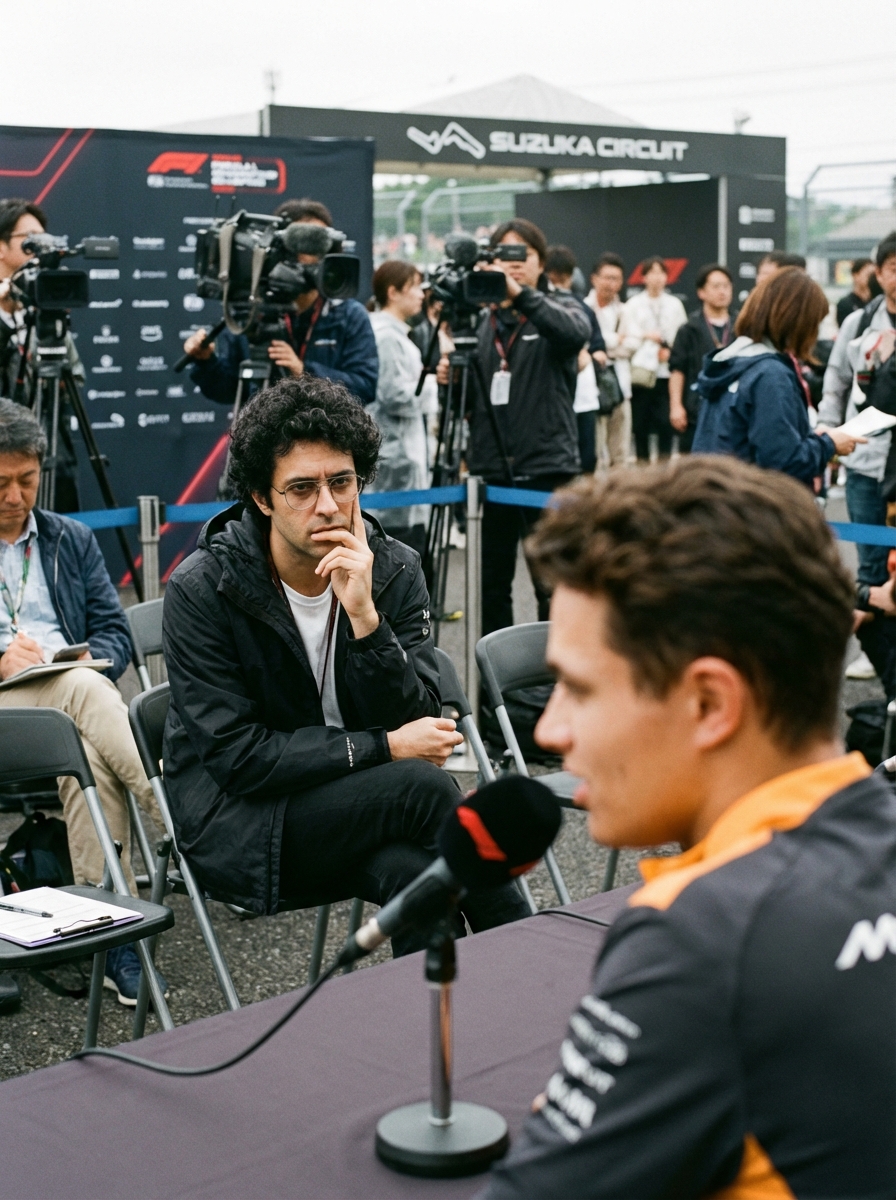
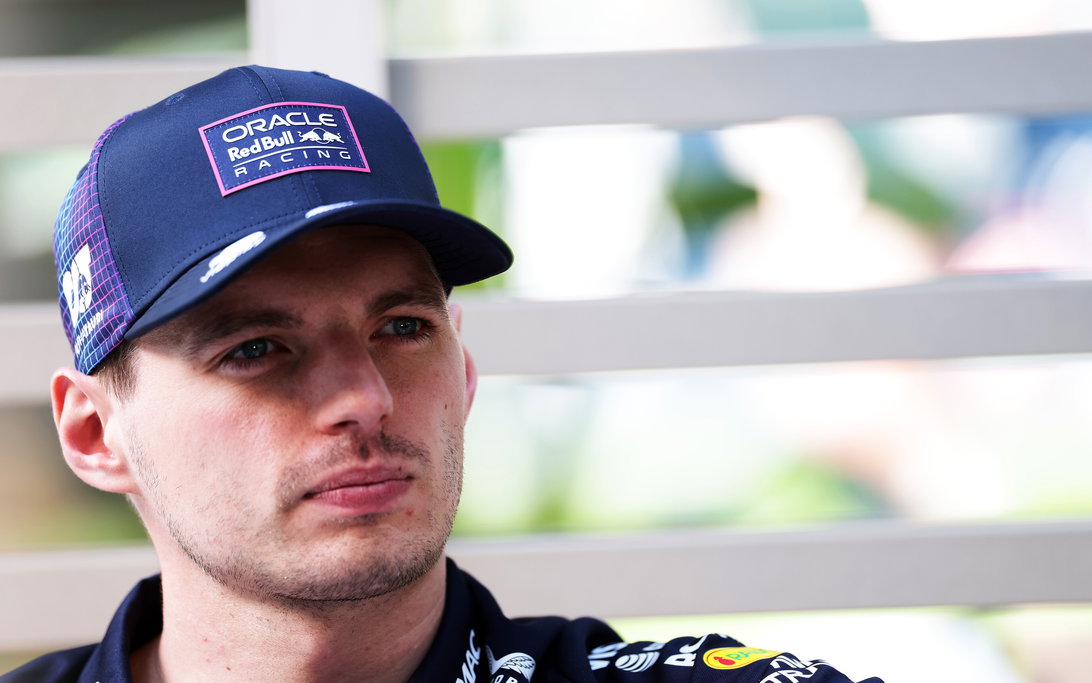
Max Verstappen is serious about leaving F1 if the 2026 regulations aren't changed. The four-time champion has called the current power unit formula 'anti-racing' and demands a shift back toward internal combustion.
Max Verstappen stands at the precipice of his own making, where the roar of engines collides with the quiet tyranny of a mind engineered for control. At twenty eight and already a four time world champion, his threats to abandon Formula 1 by 2027 are not mere posturing. They reveal the first fissures in a carefully constructed persona, one shaped by years of covert psychological coaching at Red Bull that has turned raw talent into something more clinical and less human.
The Regulations as a Mirror to Mental Strain
The 2026 power unit rules, mandating a fifty fifty split between internal combustion and electric power, force drivers into relentless energy management and lift and coast tactics. For Verstappen this is not simply bad racing. It is an assault on the decision making instincts that define him.
His public outbursts after the Chinese Grand Prix, labeling the cars Formula E on steroids and the experience anti racing or even Mario Kart, expose a deeper conflict. Red Bull has long suppressed his emotional volatility through targeted mental conditioning, creating a manufactured champion whose dominance stems as much from biometric monitoring and therapy sessions as from telemetry graphs. Now the new formula threatens to crack that armor.
- Drivers must balance battery deployment strategies that override pure throttle input.
- Verstappen insists he could accept a seventh or eighth place finish if the cars still felt natural.
- His demand for a shift to sixty percent internal combustion power by 2027 is framed as the minimum needed to restore authentic competition.
This is not about results. It is about a driver whose inner monologue, once tightly scripted, now leaks frustration that no amount of coaching can fully contain.
When Trauma Narratives Collide with Regulatory Reality
Verstappen's stance echoes the calculated resilience seen in other eras, much like how Lewis Hamilton crafted a public image of unyielding poise reminiscent of Niki Lauda's post crash determination. Both men transformed personal fractures into narratives that overshadowed raw ability. Yet Verstappen's case differs because his suppression has been institutional.
"Next season would be mentally not doable for me," he warned, as Audi and Ferrari push to delay changes until 2028.
Within five years Formula 1 will likely mandate mental health disclosures after major incidents, ushering in an era of transparency laced with scandal. Driver psychology already trumps aerodynamics in wet conditions, where split second choices under uncertainty expose personality traits no engineer can redesign. The 2026 cars amplify this, turning every lap into a therapy session punctuated by heart rate spikes and energy deployment logs. Verstappen's frustration signals the limits of manufactured calm, where a champion's suppressed outbursts could soon become public data points rather than private fuel.
The Human Cost of Formula Change
Red Bull's system thrived by channeling Verstappen's intensity into lap times. The new regulations risk reversing that process, forcing him to confront the very emotions once buried beneath performance metrics. Manufacturers debating timelines ignore this human variable at their peril. If the power balance stays skewed, the sport may lose not just its biggest star but the illusion that dominance can be psychologically engineered forever.
The choice ahead is stark. Accommodate the mental realities of its drivers or watch the manufactured facade unravel in real time.
Don't miss the next lap
Get the deep dives and technical analysis from the world of F1 delivered to your inbox twice a week.
Zero spam. Only high-octane analysis. Unsubscribe anytime.
Join the inner circle
Get the deep dives and technical analysis from the world of F1 delivered to your inbox twice a week.
Zero spam. Only high-octane analysis. Unsubscribe anytime.
Continue Reading
View More News