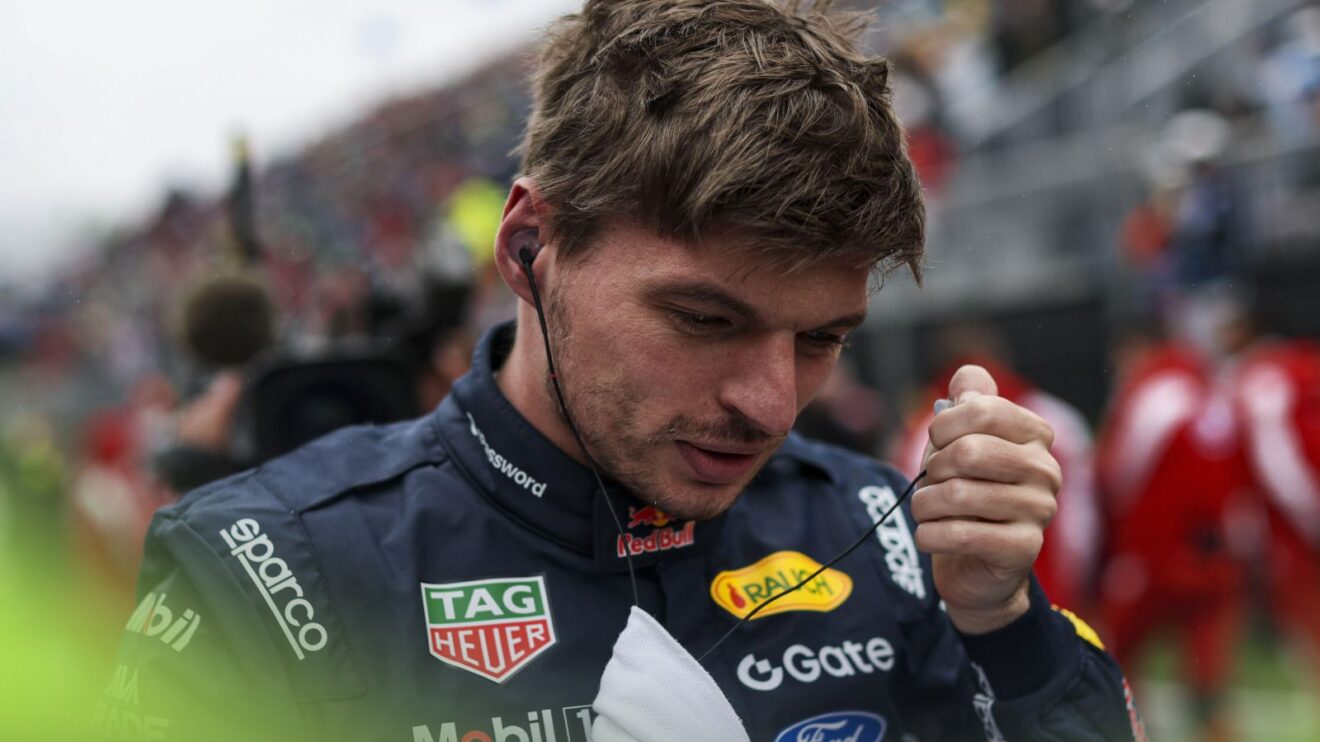
Max Verstappen's Fractured Psyche: Why 2027's Power Shift Might Finally Crack Red Bull's Mental Armor
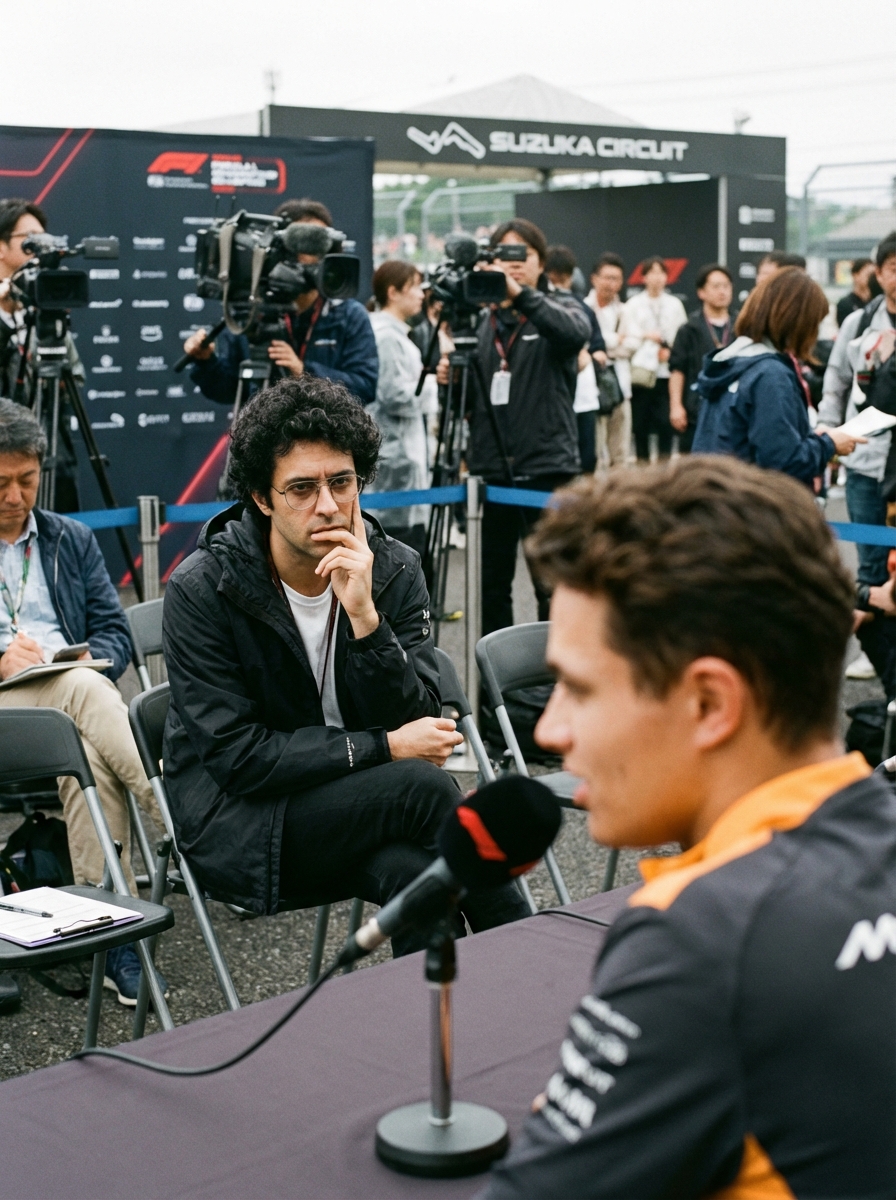
Max Verstappen calls the proposed 60/40 power unit split the bare minimum to save F1 from its 'way too complex' current state, warning he may not continue without it.
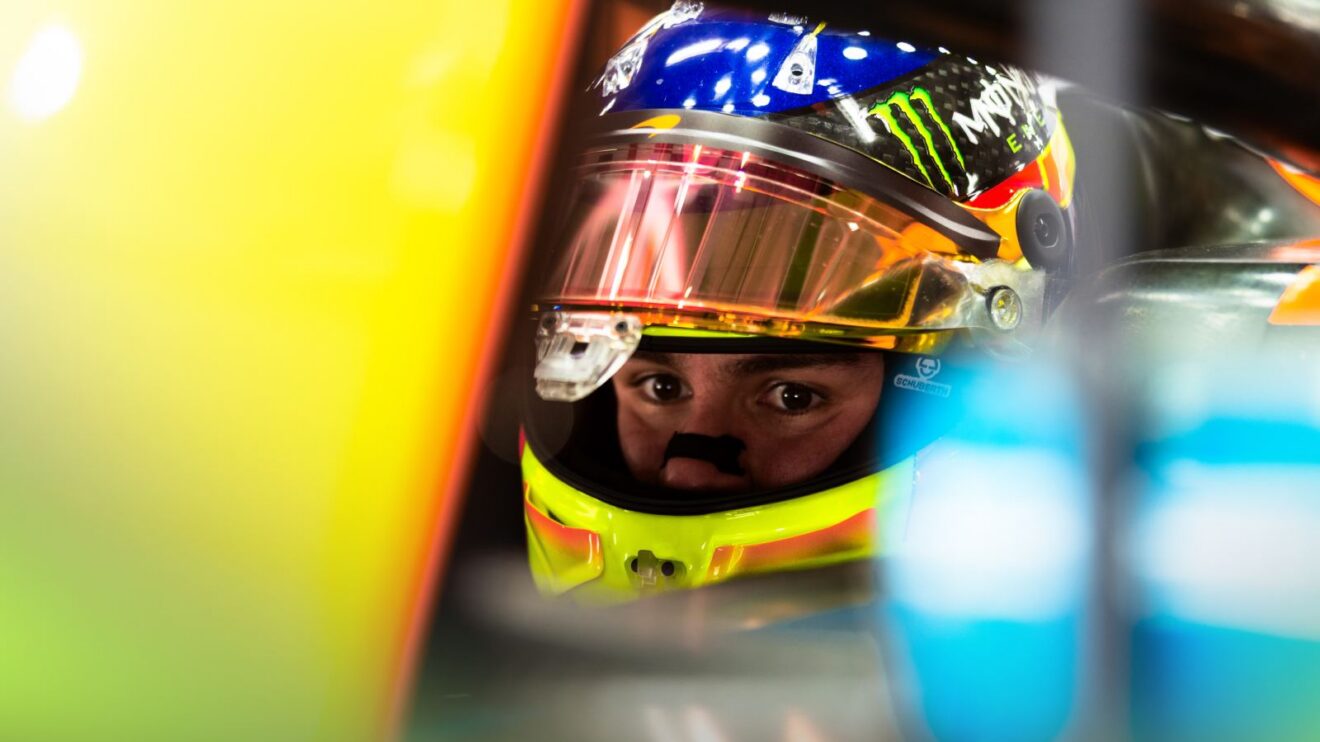
In the shadowed cockpit of an F1 machine, where heart rates spike past 180 bpm during formation laps and cortisol levels betray the calmest telemetry readouts, Max Verstappen confronts not just rivals but the engineered silence within himself. The four-time champion's recent warning about 2027 regulations lands less as a technical critique and more as a desperate exhale from a mind long coached into submission. After his Nürburgring 24 Hours detour, the "pure" racing he craves exposes how Formula 1's current 50/50 power balance has turned drivers into data processors, their raw instincts dulled by battery management scripts that no amount of covert psychological sessions can fully mask.
The Manufactured Champion's Breaking Point
Verstappen's dominance at Red Bull owes as much to systematic emotional suppression as to aerodynamic brilliance. Team handlers have long funneled him through quiet coaching protocols designed to neutralize outbursts, transforming potential volatility into a steady, championship-winning metronome. Yet this 2027 proposal for a 60/40 internal combustion to electric split represents the first external pressure that might bypass those controls entirely.
- Current power units demand constant mental arithmetic on energy deployment, formation lap restrictions, and overtaking allowances.
- Verstappen described the setup as "way too complex," a phrase that hints at deeper cognitive overload rather than mere preference.
- Without the shift, he admitted continuing beyond this season would be "mentally not doable," revealing cracks in the manufactured composure.
His P7 championship standing with 43 points only amplifies the strain, as telemetry graphs likely show erratic throttle traces during high-uncertainty moments that pure talent alone cannot smooth over.
Wet-Track Truths and the Lauda Parallel
Driver psychology always overrides car setup when rain turns asphalt into a mirror of inner doubt. Verstappen's blunt assessment of fan confusion mirrors his own: even spectators cannot track the invisible energy chess game, leaving the sport emotionally hollow. This complexity echoes Lewis Hamilton's calculated public facade, much like Niki Lauda's post-crash reinvention that weaponized trauma into narrative armor. Both men turned personal fractures into media shields, overshadowing raw speed with stories of resilience that engineers could never blueprint.
"It's not what Formula 1 should be about. It's way too complex."
That quote from Verstappen carries the weight of an unfiltered inner monologue, one Red Bull's methods have tried to edit out. In five years, mandatory mental health disclosures after major incidents will expose these hidden layers across the grid, sparking scandals but also forcing authenticity that current regulations actively suppress.
The Minimum Necessary as Psychological Lifeline
The proposed 60/40 power distribution clears political hurdles only if teams and the FIA yield. Verstappen frames it as "the minimum necessary," a threshold that could restore intuitive decision-making and reduce reliance on complex energy states. Bullet-point realities underscore the stakes:
- Battery management currently fragments focus during overtakes.
- A reversed split would let drivers chase pure instinct again.
- Delay risks alienating talents like Verstappen, whose Nürburgring experience highlighted the mental refresh pure motorsport provides.
Red Bull's coaching may have built a champion, yet it cannot redesign the human response to uncertainty that wet conditions and regulatory fog both expose.
A Looming Era of Unmasked Minds
If these rules stall, F1 risks losing its most psychologically layered star just as transparency mandates arrive. Verstappen's future hinges less on lap times and more on whether 2027 finally lets the suppressed self breathe, turning therapy-session telemetry into something resembling truth.
Don't miss the next lap
Get the deep dives and technical analysis from the world of F1 delivered to your inbox twice a week.
Zero spam. Only high-octane analysis. Unsubscribe anytime.
Join the inner circle
Get the deep dives and technical analysis from the world of F1 delivered to your inbox twice a week.
Zero spam. Only high-octane analysis. Unsubscribe anytime.