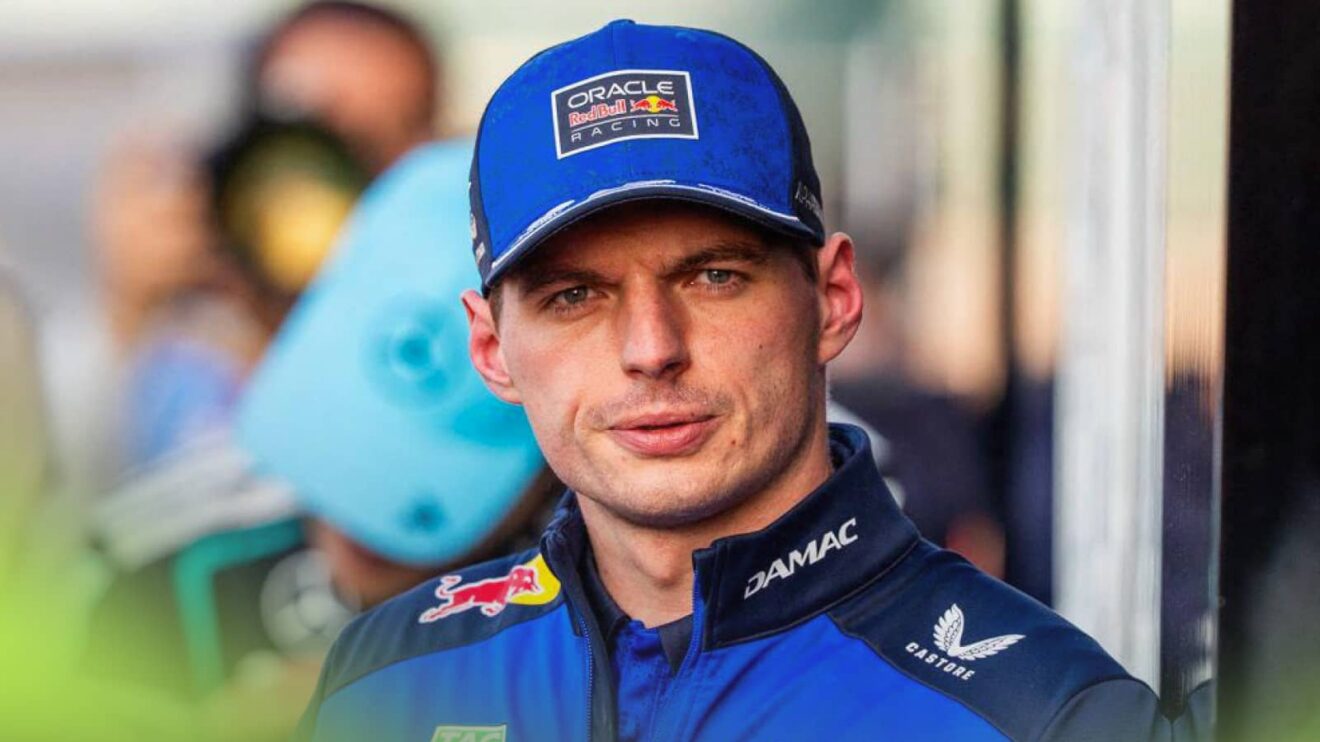
Max Verstappen warns F1's 2026 rules are 'fundamentally wrong' and hints at future retirement
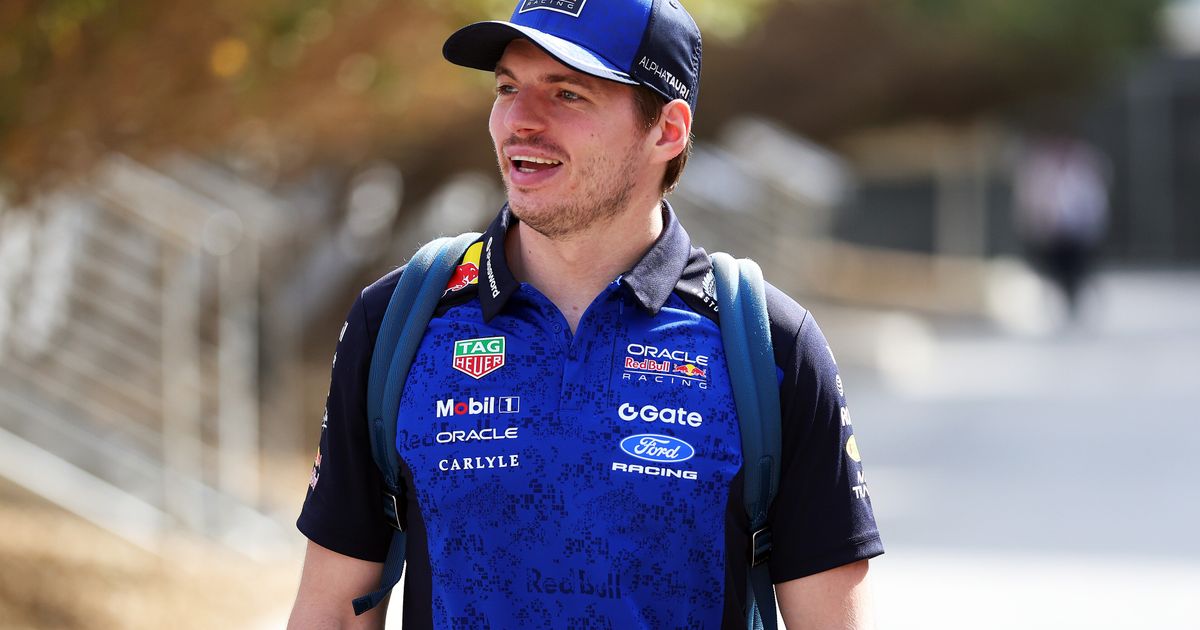
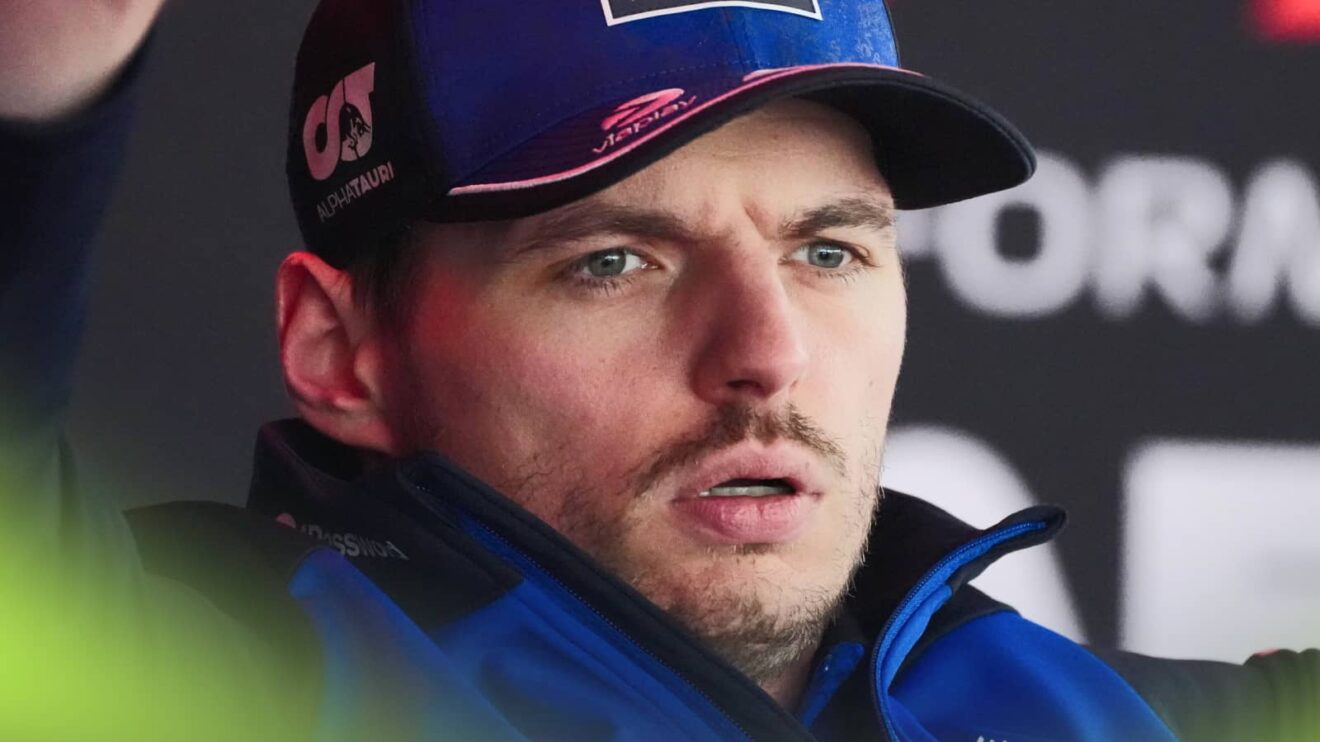
Max Verstappen says the proposed 2026 F1 regulations remain 'fundamentally wrong' despite FIA talks on tweaks, warning of dangerous speed differentials between cars. The reigning champion also hinted his own F1 career may end within a few years, linking his future to the sport's direction.
Max Verstappen has welcomed the FIA's ongoing discussions about the 2026 Formula 1 regulations but remains deeply skeptical, arguing that any potential tweaks will fail to address what he sees as a fundamentally flawed concept. The Red Bull driver also hinted that his own future in the sport may be limited, teasing that he will "be retiring in a few years' time" amidst his dissatisfaction with the sport's direction.
Why it matters:
Verstappen's vocal criticism carries significant weight as the sport's reigning champion and most prominent figure. His public doubts about the 2026 rules, coupled with hints about an early exit, create a major credibility crisis for F1's future technical vision. If the sport's biggest star is openly questioning its core product and considering leaving, it undermines fan and stakeholder confidence in the upcoming era.
The details:
- Persistent Criticism: Verstappen has been a consistent critic, previously likening the 2026 car concept to "Formula E on steroids." He maintains the core problem cannot be solved by minor adjustments.
- FIA's Response: The governing body has held a series of meetings with teams and power unit manufacturers during the April break, acknowledging "constructive dialogue on difficult topics" and a commitment to tweak energy management rules.
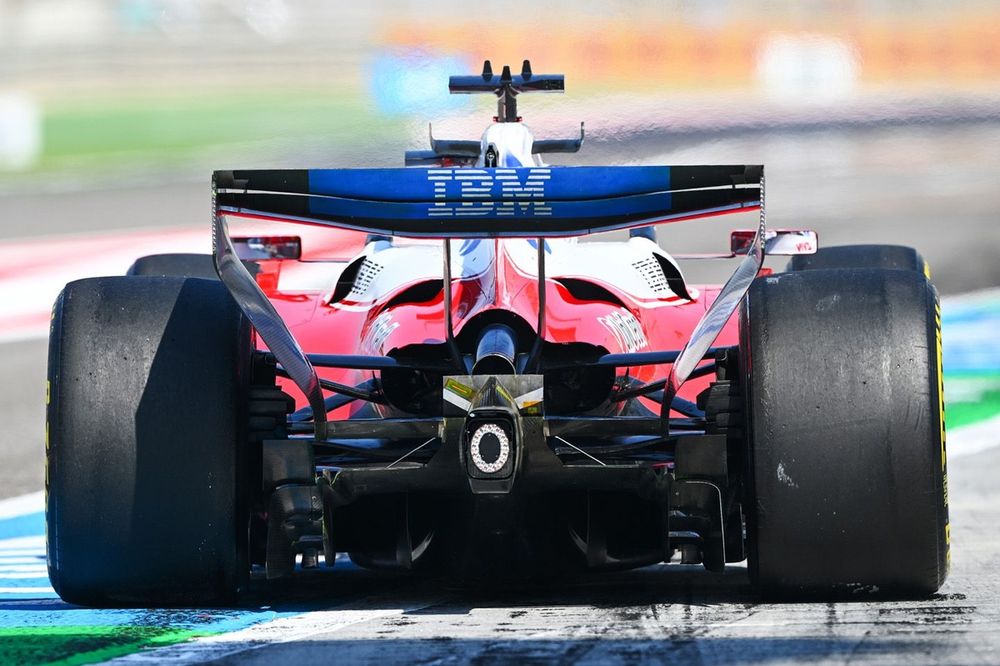
- Safety Concerns Highlighted: The talks gained urgency after Oliver Bearman's crash at Suzuka. The FIA admitted the 2026 cars' significant closing speeds—where one car harvests energy and another deploys it—were a factor.
- The 'Mushroom Mode' Problem: Verstappen described the dangerous speed differentials using a Mario Kart analogy, noting a car deploying its energy boost can be 50-60 km/h faster than one harvesting, creating a major hazard.
- Qualifying Compromised: The current 2026 simulations have also drawn ire for ruining qualifying, forcing drivers to lift and coast on a single lap to charge the battery, eliminating flat-out runs.
What's next:
The FIA's high-level stakeholder meeting will continue to seek refinements, but Verstappen's comments suggest a growing divide between the drivers' experience and the regulators' plans. His stated timeline of retiring in "a few years" places his potential exit around the 2026 rule change or shortly after, adding pressure on F1 to deliver a compelling product. The sport must balance its technical ambitions with creating a raceable, safe, and driver-endorsed formula to retain its top talent and fan interest.
Don't miss the next lap
Get the deep dives and technical analysis from the world of F1 delivered to your inbox twice a week.
Zero spam. Only high-octane analysis. Unsubscribe anytime.
Join the inner circle
Get the deep dives and technical analysis from the world of F1 delivered to your inbox twice a week.
Zero spam. Only high-octane analysis. Unsubscribe anytime.
Continue Reading
View More News