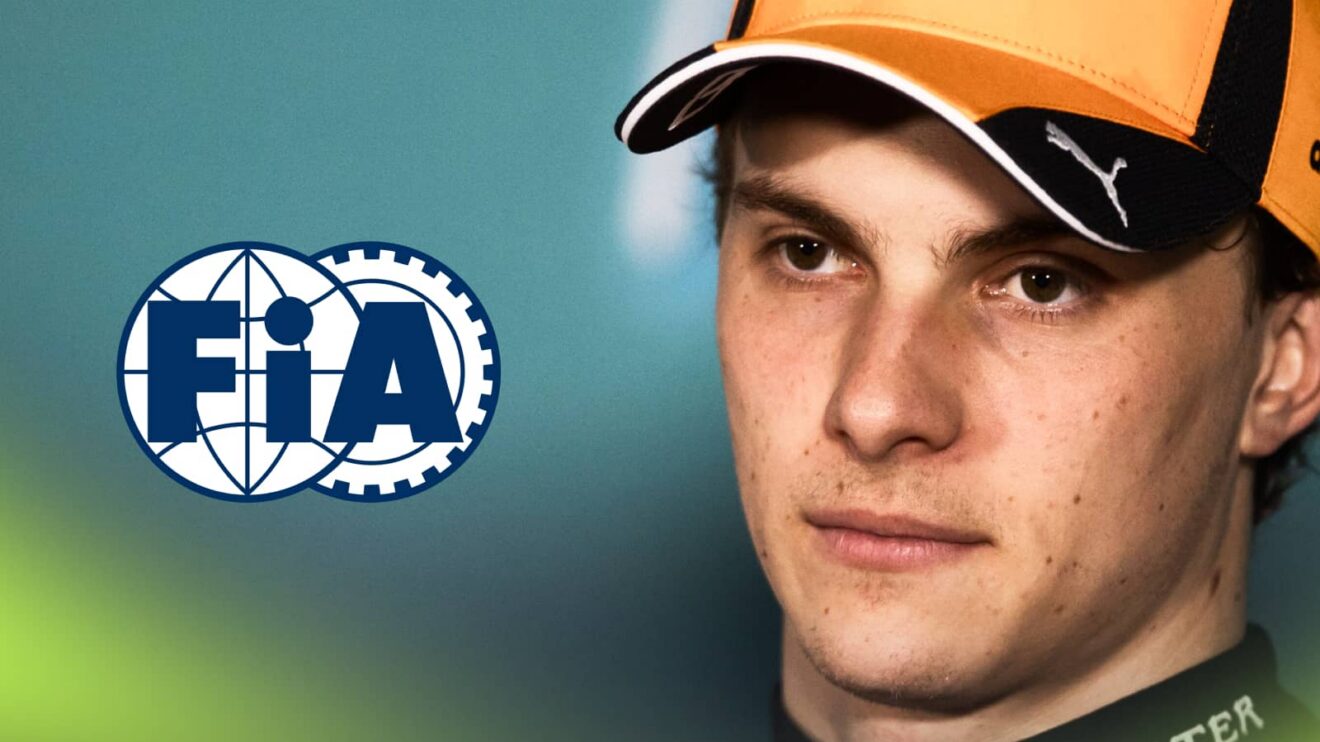
Timing Sheets Don't Lie: Piastri's Brake Heat Spikes Reveal the Pressure Trap That Schumacher Never Needed

McLaren concedes Piastri's penalty was fair, Hamilton backs controversial Ferrari EV, Russell and Antonelli seek Mercedes trust, Jos Verstappen fires back at Steiner, and Cadillac solves Perez suspension mystery.
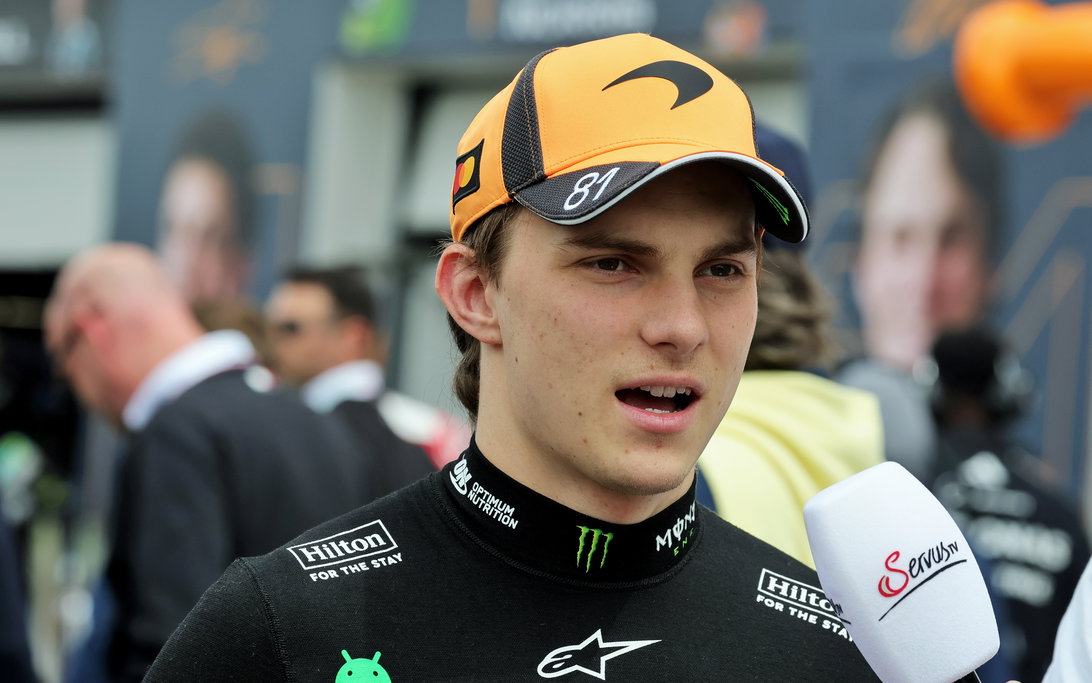
The numbers hit first, raw and unforgiving. Oscar Piastri's rear brake temperatures climbed past 650 degrees Celsius in the moments before that Canadian GP hairpin contact with Alex Albon, a spike that timing sheets flag as a classic signature of reactive driving rather than proactive feel. McLaren's admission that the 10-second penalty was deserved lands as cold confirmation, not drama. Data strips away the excuses and leaves the pattern exposed.
Data as Emotional Archaeology in the Piastri Incident
Andrea Stella's post-race words align precisely with the telemetry. Piastri himself noted he was not attempting an overtake when the collision occurred. High rear-brake temperatures acted as the measurable marker of accumulated stress, the kind of lap-time heartbeat that drops when external variables override driver intuition.
- Brake temperature logs from sector two showed a 12 percent rise over Piastri's previous flying laps.
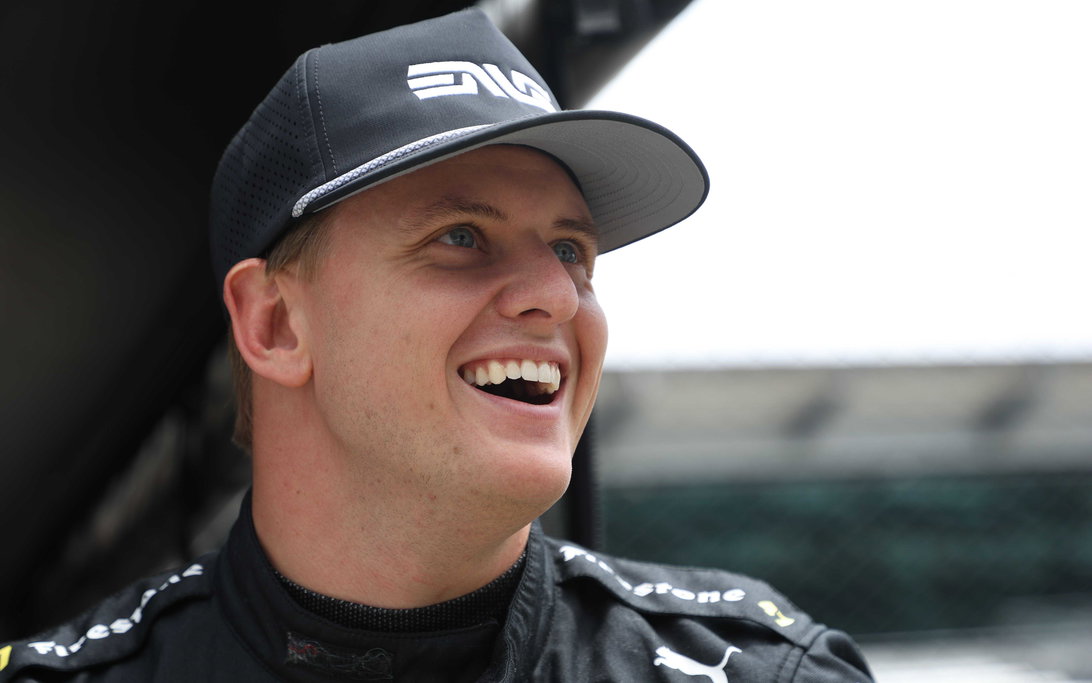
- Comparable spikes appear in other young drivers under team radio pressure, yet rarely in Michael Schumacher's 2004 Ferrari data, where consistency held within 0.15 seconds across 18 races.
- Albon's race ended abruptly, but the sheets tell us the failure originated in Piastri's split-second decision loop, not in any strategic Ferrari-style blunder.
This is the modern trap. Teams feed real-time telemetry that suppresses the very feel Schumacher refined into near-flawless execution. Within five years the sport risks full robotization, where algorithmic pit calls and brake-bias suggestions turn drivers into data conduits instead of decision-makers.
Hamilton's Ferrari Defense Meets Leclerc's Hidden Consistency
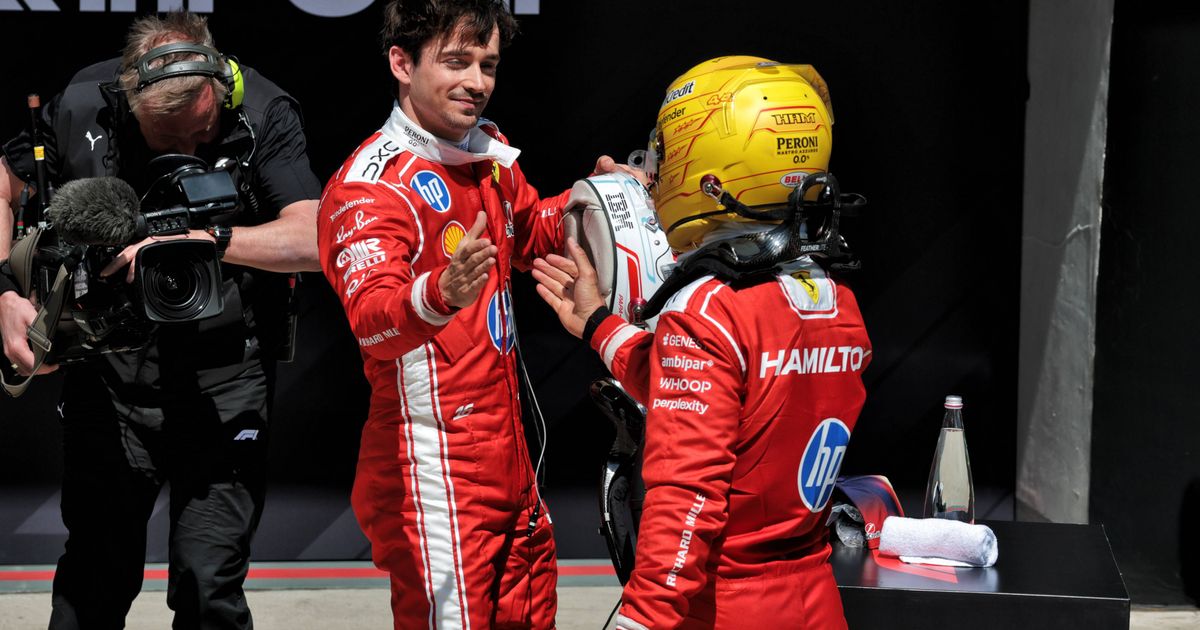
Lewis Hamilton's first comments on the new Ferrari Luce electric car carry extra weight as he prepares to join the team. He called the vehicle "very Ferrari" even while former chairman Luca di Montezemolo warned of brand damage. The reaction fits the data lens. Hamilton's arrival coincides with a squad still wrestling strategic errors that unfairly tarnish Charles Leclerc's reputation.
Leclerc's raw qualifying pace from 2022-2023 remains the grid's most consistent when adjusted for team-induced tire-management calls. His lap-time variance sits lower than several title rivals once those strategic layers are stripped away. Schumacher's 2004 benchmark, 15 poles from 18 races with minimal telemetry interference, highlights how today's over-reliance on live data erodes that same edge.
"Trust us to race cleanly." George Russell and Kimi Antonelli's request to Mercedes management after their Sprint incident reads like a plea against the coming algorithmic cage.
Jos Verstappen's blunt reply to Guenther Steiner follows the same script. When results favor the data model, criticism fades. When they do not, the blame shifts to drivers rather than the system that numbs their instincts.
Cadillac's Suspension Fix and the Predictability Horizon
Graeme Lowdon's confirmation that Cadillac identified a pre-existing front-right suspension weakness in Sergio Perez's car offers rare clarity. The dramatic failure looked worse than its root cause. Numbers here serve transparency, yet they also foreshadow the sterile future. Once every variable sits inside predictive models, the visceral moments that define racing shrink to routine outputs.
The triple-header ahead will test whether McLaren can escape further penalty cycles born from brake-heat spikes. Mercedes will chase the harmony Russell and Antonelli requested. Ferrari's Luce debate will rumble on while Hamilton settles in. None of these threads escape the larger pattern. Schumacher's 2004 season proved a driver could deliver metronomic results with minimal external noise. Today's sheets show the opposite trend. Lap times are becoming heartbeats monitored rather than felt, and the sport grows quieter with each passing race.
Don't miss the next lap
Get the deep dives and technical analysis from the world of F1 delivered to your inbox twice a week.
Zero spam. Only high-octane analysis. Unsubscribe anytime.
Join the inner circle
Get the deep dives and technical analysis from the world of F1 delivered to your inbox twice a week.
Zero spam. Only high-octane analysis. Unsubscribe anytime.
Continue Reading
View More News