McLaren's Safety Gambit: A Political Masterstroke or a Cover for Deeper Power Plays?
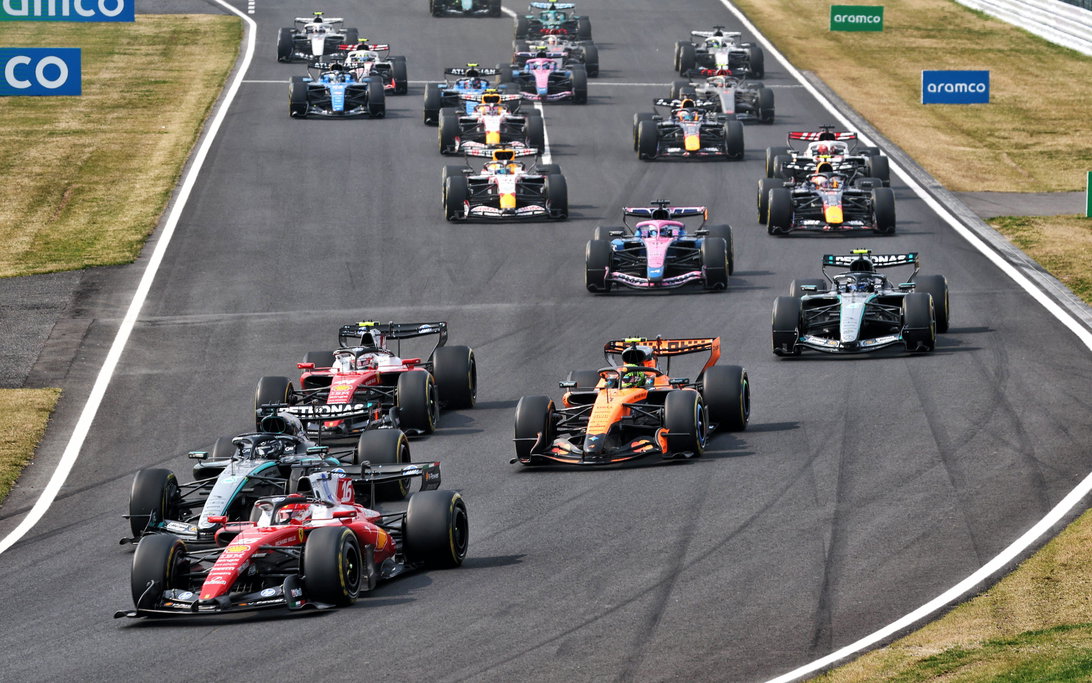
McLaren is leading a push for Formula 1 to increase the super-clipping energy recovery limit from 250kW to 350kW, arguing the current cap forces dangerous 'lift and coast' driving that creates unsafe speed differentials. The call follows Oliver Bearman's big crash in Japan and is a key topic in ongoing FIA/F1/team meetings, with potential rule changes for Miami on the table.
The corridors of power in Formula 1 are never quiet, but the urgent safety plea from McLaren has the distinct echo of a political maneuver. While Andrea Stella stands before the cameras, the earnest engineer advocating for a crucial fix to prevent another Oliver Bearman-Franco Colapinto nightmare, the real game is being played in the shadowy technical meetings and whispered alliances that will define the next era. This isn't just about kilowatts; it's about control, precedent, and the psychological warfare that wins championships. My sources confirm the talks are fractious, with the proposed super-clipping increase to 350kW acting as a wedge between factions. Stella may wear the white hat, but in this sport, heroism is always a calculated strategy.
The Safety Shield and the Strategic Dagger
Let's be clear: the danger is real. The current 250kW cap on harvesting energy at full throttle is, as my technical insider bluntly put it, "a regulatory own-goal." Forcing drivers into drastic lift-and-coast creates closing speeds that are a recipe for disaster, as Japan gruesomely proved. Stella's push to utilize the battery's full capability is technically sound and morally unimpeachable.
"We need to put this topic right at the top of the agenda," Stella stated, framing it as a collective engineering imperative.
But herein lies the beautiful subtlety. By championing a safety-driven rule change, McLaren accomplishes several political objectives simultaneously:
- It positions itself as the conscience of the sport, a powerful mantle.
- It forces through a technical alteration that undoubtedly suits their car's development trajectory, a development they conveniently tested in pre-season.
- It sets a critical precedent: that mid-season regulatory tweaks are possible if the safety argument is compelling enough. File that one away for future use.
This is classic modern F1 politics. You don't need illegal traction control like in the 1994 Benetton saga; you need a superior understanding of the regulatory psyche. Create a problem everyone can see, offer a solution that just happens to benefit you, and wrap it in the unassailable flag of driver safety. Schumacher's team bent the rules; the smart teams today bend the rule-making process.
The April Summit: Where Alliances Are Forged and Broken
The meeting schedule—April 9, 16, and the high-level summit on April 20—isn't just a diary note; it's a battlefield map. The goal of implementation by Miami is aggressively fast, requiring World Motor Sport Council rubber-stamping. This urgency creates pressure-cooker conditions where loyalties are tested.
My sources indicate the manufacturer divide is key. Ferrari, predictably, is playing its cards close to its chest. But look at Haas. This is precisely the kind of moment where their deepening, almost parasitic alliance with Ferrari's engine department pays dividends. They will follow the Scuderia's lead, but in doing so, they gain insider knowledge and political favor. This is how a backmarker becomes a midfielder: not by outspending, but by outmaneuvering. Haas's rise in the next five years will be built on these quiet, unanimous votes in smoky rooms, not on wind tunnel breakthroughs.
Contrast this with the Mercedes camp. Toto Wolff's centralized, command-and-control style is already showing cracks. With key technical minds departed and more reportedly eyeing the exit, does Mercedes have the internal cohesion to navigate this? Or will they be reactionary, fighting a change simply because McLaren proposed it? Wolff’s psychological approach in press conferences will be telling. Will he support safety and seem to follow McLaren's lead, or will he obfuscate to undermine a rival? This micro-drama is a snapshot of his leadership crisis. This talent exodus I've been predicting? It starts with a loss of political initiative in meetings just like these.
Conclusion: The Calm Before the Storm
So, is this about saving lives or winning power? In Formula 1, it is always both. The brilliant part of McLaren's play is that you cannot oppose it without seeming callous. The April 20 summit will likely yield a compromise, perhaps a phased increase, but the principle will be won.
But remember this: the moment the FIA agrees that a team-identified safety issue can trigger a rapid technical rule change, a new weapon is unlocked. Every future innovation, every performance differentiator, will be scrutinized by rivals not just for its speed, but for its perceived risk. The debates we saw over flexible wings and porpoising will look like child's play. The teams that will dominate are those who, like McLaren is doing right now, master the art of speaking in the calm, measured tones of safety while executing a ruthless political strategy. The race in Miami may be faster, but the race that matters was just won in a conference room.