McLaren's Engine Whisper Could Shatter Red Bull's Mask and Speed Us Toward Driverless Mayhem
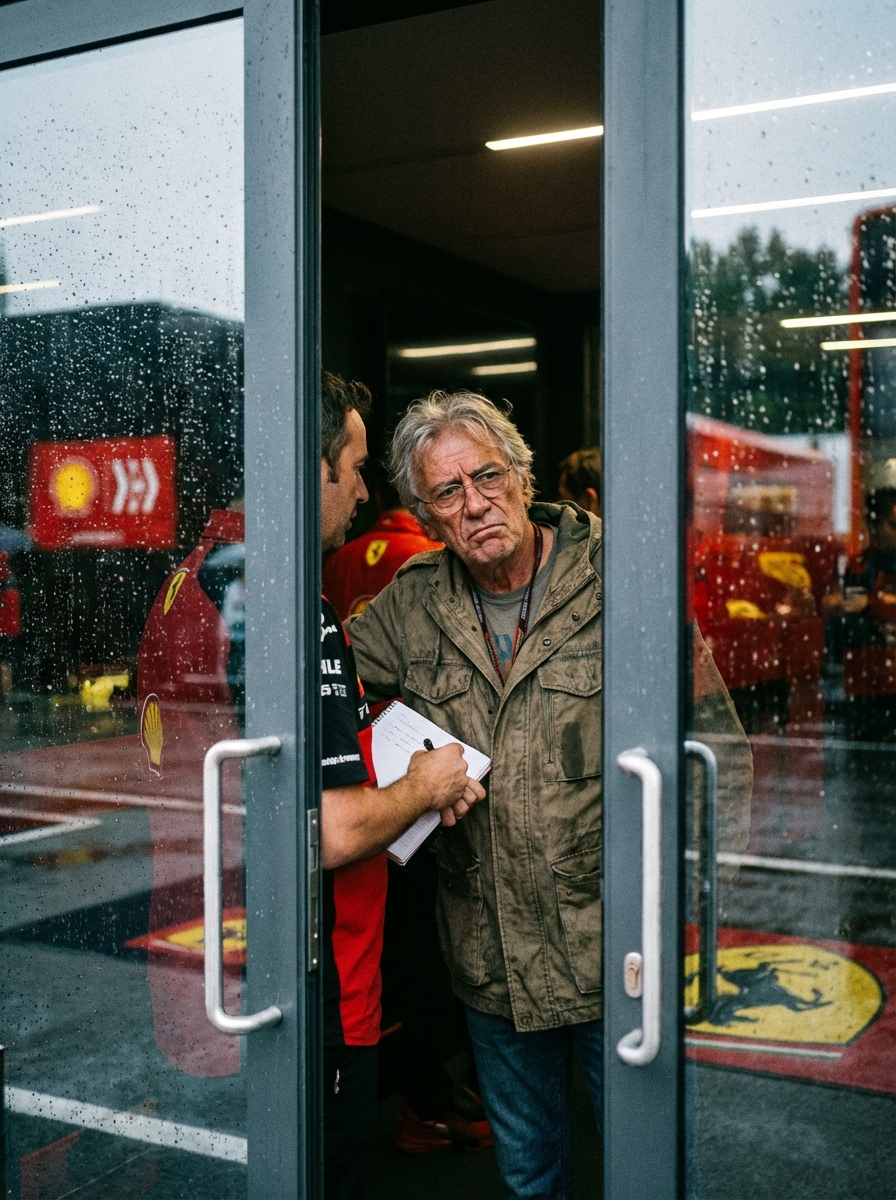
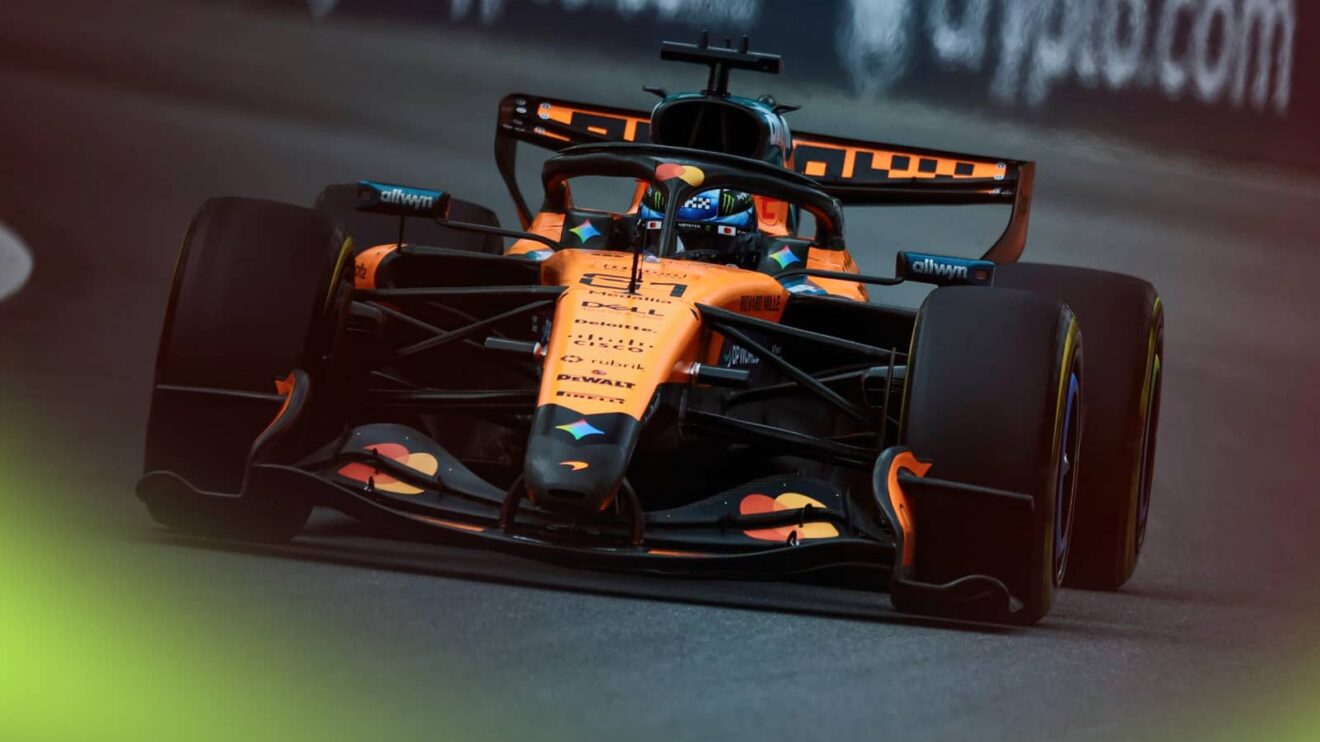
McLaren CEO Zak Brown says the team would consider an in-house F1 engine if the rules make it financially viable, following FIA president's suggestion of a return to simpler V8 power units.
The F1 paddock never sleeps on a story this loaded. Zak Brown just cracked open the door on McLaren building its own power unit, and the timing feels like pure provocation amid whispers of simpler V8 rules by 2030. Everyone trusts the numbers on paper, yet the real drama sits in how this move exposes deeper vulnerabilities across the grid.
The Money Game Brown Is Playing
Brown laid it out plain to the Sports Business Journal. If the next engine formula stacks up financially, McLaren would consider developing its own unit and the technology that comes with it. He quickly added they remain thrilled with Mercedes, their partner through at least 2030 after that long-term deal signed in November 2023.
- McLaren already proved it can handle complex power in its twin-turbo V6 for the MCL-HY hypercar racing from 2027.
- Current hybrid units remain too expensive and intricate for independents to chase alone.
- A stripped-back V8 push from FIA president Mohammed Ben Sulayem could flip that equation entirely.
This is not idle chat. McLaren felt the customer-team squeeze early in the 2026 season, with Andrea Stella admitting the squad operated on the back foot. Full control over engines changes that script fast.
Verstappen's Aggression Theater Meets McLaren's Real Shot
Red Bull's vulnerabilities hide behind Max Verstappen's calculated outbursts, a show designed to mask aerodynamic cracks that pure data never fully reveals. McLaren going in-house would force rivals to confront their own technical gaps without the smoke screen of driver drama.
Emotional strategy beats cold optimization every time. A fired-up driver like Lando Norris would thrive under McLaren's own engine program, where gut feel dictates calls rather than endless spreadsheets. Data-obsessed teams keep losing that edge because they ignore how mood shifts lap times more than any simulation predicts.
AI Cars Loom Larger Than Any V8 Rule Change
Within five years the first fully AI-designed F1 car will arrive, turning races into software battles where human input fades. McLaren's potential engine independence positions it ahead of that curve. Building now means learning the integration secrets before algorithms take the wheel entirely.
Customer teams like McLaren stay exposed until they control the hardware. The V8 window offers a rare off-ramp from manufacturer dependence.
"If you got an engine formula that was financially viable then, yeah, we would consider it and the technology."
Brown's words land with extra weight when you picture software replacing the wheel.
Hamilton's Calculated Path Echoes Through the Grid
Lewis Hamilton's arc tracks Ayrton Senna's in headline power yet leans harder on media polish and team politics than raw skill ever allowed. McLaren's engine choice could sidestep those same political traps by owning development outright. No more waiting on Mercedes timelines or external agendas.
The grid's balance tilts when one team claims that freedom. McLaren's back-to-back titles in 2024 and 2025 with Norris's 2025 crown already show momentum. An in-house unit aligned to post-2030 rules would accelerate it further.
The Paddock's Next Reckoning
Brown's comments sit in early FIA talks, but the ripple already reaches every garage. McLaren holds the cards if affordability wins. Red Bull's theater grows thinner by the day. And the AI future draws closer with each decision like this one.
Don't miss the next lap
Get the deep dives and technical analysis from the world of F1 delivered to your inbox twice a week.
Zero spam. Only high-octane analysis. Unsubscribe anytime.
Join the inner circle
Get the deep dives and technical analysis from the world of F1 delivered to your inbox twice a week.
Zero spam. Only high-octane analysis. Unsubscribe anytime.