The Fractured Psyche of Formula 1: How Regulatory Deadlocks Reveal the Hidden Cost of Verstappen's Suppressed Fire
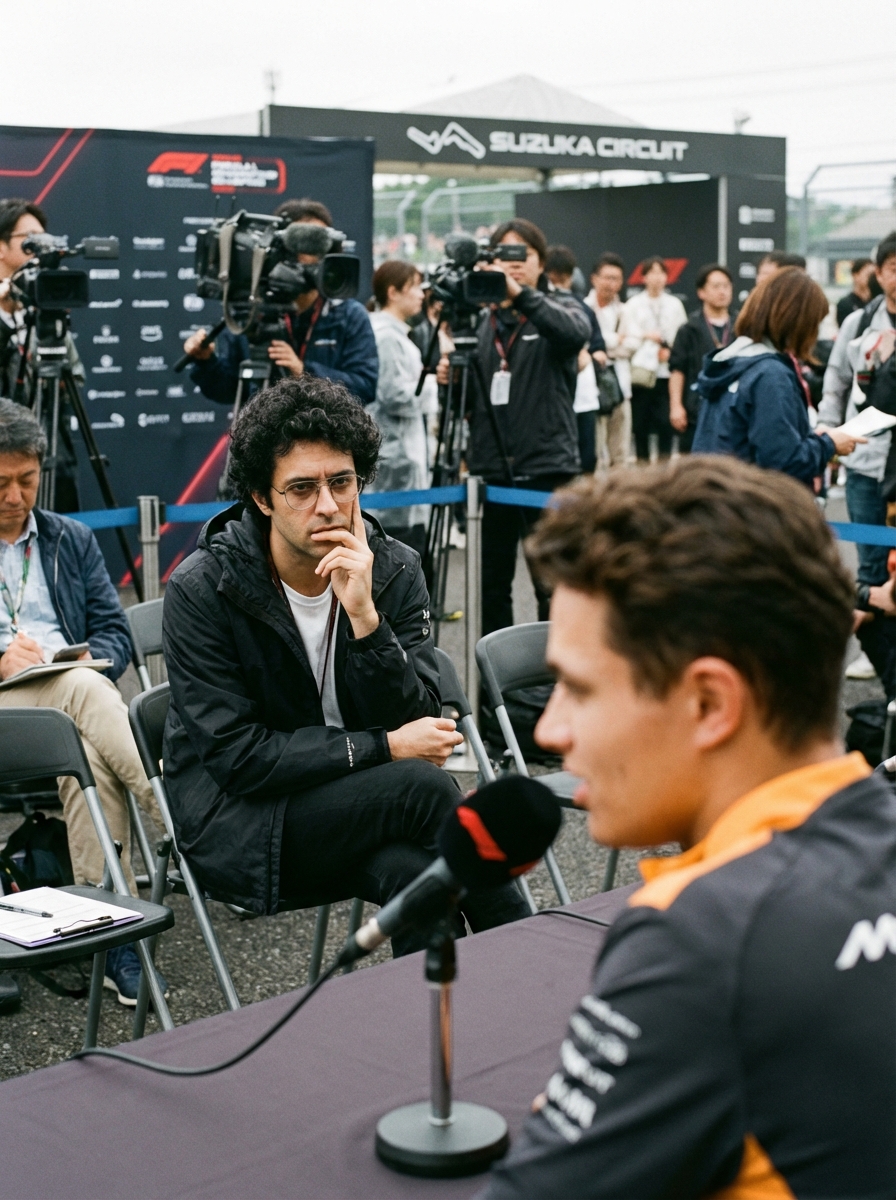
McLaren boss Andrea Stella calls on power unit manufacturers blocking the 2027 60/40 ICE-electrical split to reconsider, warning that failure will hurt the sport's value and driveability.
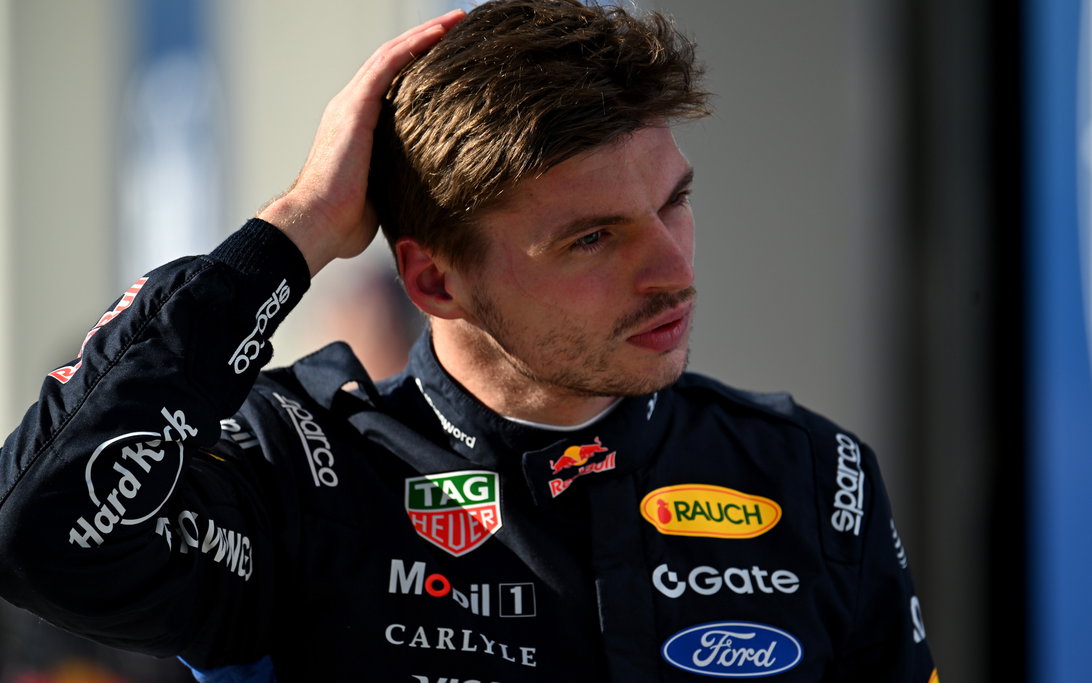
In the high-stakes silence of a Montreal garage last weekend, Max Verstappen uttered words that cut deeper than any lap time deficit. His warning that the sport's current state is "mentally not doable" was not mere frustration over power unit tweaks. It was the echo of a champion engineered for emotional restraint, where biometric spikes in heart rate telemetry tell stories of battles fought inward long before they reach the track.
The Inner Monologue of a Stalled Revolution
F1's push toward 2027 regulations exposes more than engineering gridlock. It lays bare the mental architectures teams have built around their drivers. Andrea Stella of McLaren frames the 60/40 internal combustion to electrical split as essential for preserving the championship's value, urging Ferrari and Audi to yield. Yet beneath these boardroom maneuvers lies a psychological truth: drivers absorb the fallout when hardware fails to match ambition.
- Current 50/50 splits create driveability voids that no aerodynamic tweak can fully mask.
- Proposed fuel flow increases and larger battery capacities aim to restore flow, but the supermajority vote remains blocked.
- Verstappen's Canada outburst signals rising internal pressure, where indecision amplifies uncertainty.
What happens in the cockpit when the mind anticipates a future that regulations refuse to unlock? Telemetry from recent wet sessions shows decision latency spikes that correlate less with grip levels and more with unresolved doubt. This is where driver psychology overrides every downforce calculation.
Red Bull's Manufactured Resilience Meets Hamilton's Calculated Mask
Verstappen's dominance carries the fingerprints of systematic emotional coaching at Red Bull, a process that converts raw outbursts into polished telemetry. His "mentally not doable" line reads as both genuine cry and rehearsed release, the product of years spent channeling fire into lap consistency. Compare this to Lewis Hamilton, whose public persona echoes Niki Lauda's post-crash reinvention: trauma weaponized into narrative armor that shields talent while inviting scrutiny.
Within five years, mandates for mental health disclosures after incidents will force these inner worlds into daylight. The result? Greater transparency, yes, but also scandals born from leaked biometric logs and therapy transcripts. Stella's call for common ground feels like an early therapy session for the sport itself.
"If we don't have a good sport, if we don't preserve the value of the business, everyone will lose."
That quote from Stella lands with the weight of collective anxiety. Holdout manufacturers cling to particular interests, yet the human cost accumulates in driver cabins where hesitation breeds hesitation.
A Crossroads Written in Heartbeats
The FIA package offers hope through adjusted energy management and battery upgrades, but the deadlock tests more than votes. It tests the capacity for emotional flexibility across an entire paddock. Drivers like Verstappen already navigate manufactured calm; future regulations could either liberate or further constrain that balance.
The Road Ahead Demands Psychological Honesty
F1 stands at a threshold where power unit harmony mirrors mental harmony. Without resolution, the 2027 vision risks entrenching the very driveability frustrations that erode driver confidence. The real supermajority needed is not among manufacturers alone but within the minds that must adapt to whatever hardware emerges. Pressure mounts not just on Ferrari and Audi, but on the systems that suppress and shape the champions who carry the sport forward.
Don't miss the next lap
Get the deep dives and technical analysis from the world of F1 delivered to your inbox twice a week.
Zero spam. Only high-octane analysis. Unsubscribe anytime.
Join the inner circle
Get the deep dives and technical analysis from the world of F1 delivered to your inbox twice a week.
Zero spam. Only high-octane analysis. Unsubscribe anytime.
Continue Reading
View More News