McLaren's Stella Calls for Major F1 Engine Hardware Changes by 2028
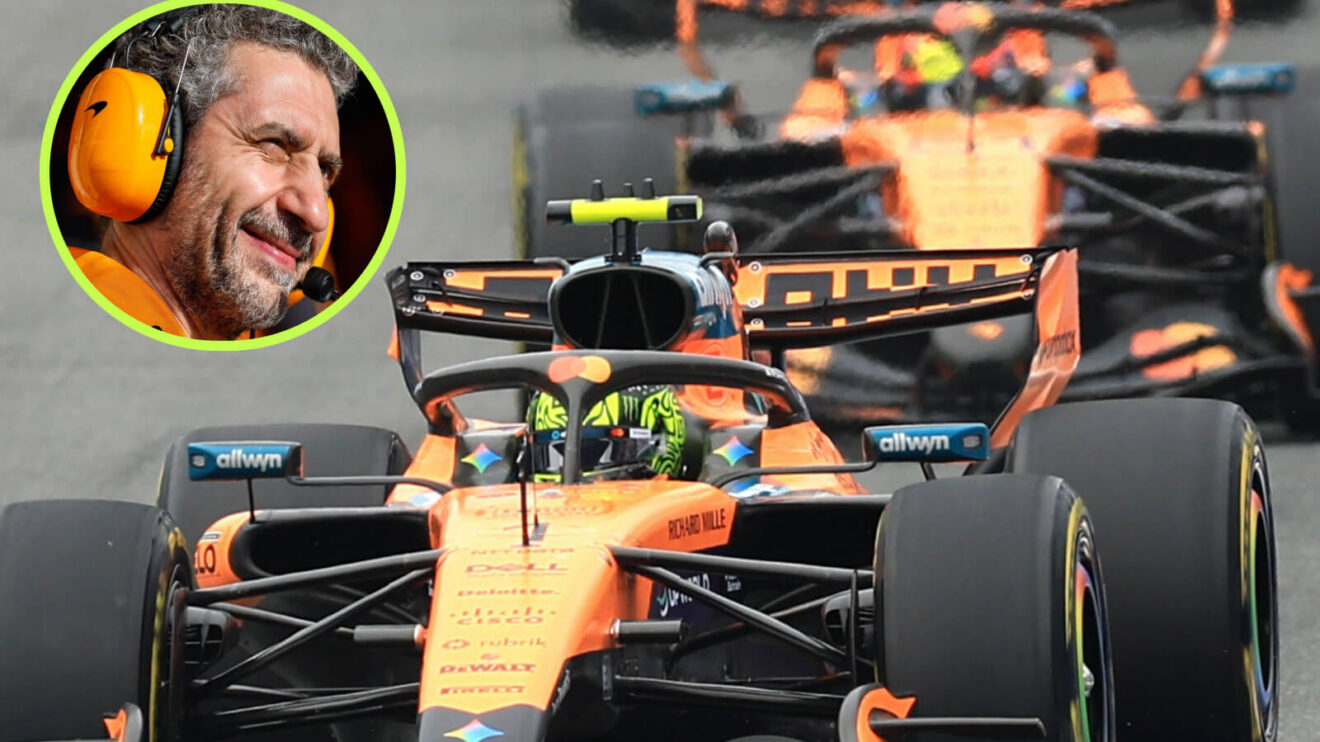
McLaren team principal Andrea Stella urges F1 to increase fuel flow, battery size, and harvesting power, aiming for hardware tweaks to be finalized by the summer break and introduced by 2028 to unlock the full potential of the current power unit regulations.
McLaren team principal Andrea Stella has called for significant hardware changes to Formula 1's power units, proposing higher fuel flow, larger batteries, and increased energy harvesting capacity. He wants the sport to finalize these tweaks by the summer break of this year to allow implementation by the 2028 season.
Why it matters:
While F1 recently introduced minor energy management adjustments to reduce battery harvesting and super clipping, drivers and teams agree these are only a small step. Stella argues that truly unlocking the potential of the current engine formula requires physical changes to the power unit components, which will take years to design and test. The outcome could dramatically alter race performance and strategy.
The details:
- Stella's three key hardware proposals: increase fuel flow to boost internal combustion engine power, raise harvesting power from 350kW to 400-450kW, and install larger batteries to balance energy deployment.
- Timeline pressure: The McLaren boss believes 2027 is too soon for these changes, as battery size and higher fuel flow require long lead times. He urges the FIA, FOM, team principals, and manufacturers to finalize the conversation before the summer break to hit a 2028 introduction.
- Current regulations: Recent tweaks reduced maximum recharge in qualifying from 8MJ to 7MJ and increased super clips from 250kW to 350kW. In races, boost mode power was capped at 150kW, and MGU-K deployment limited to 250kW in certain parts of the lap.
- Sensitivity challenge: Until hardware changes arrive, teams must adapt to an unprecedented level of sensitivity where power unit behavior is influenced by external factors like wind, making optimization complex and highly interdependent.
What's next:
Stella acknowledges that without hardware changes, drivers and engineers will continue grappling with the tricky behavior of the current power units. The upcoming decision window is critical: if the sport can agree on specifications by mid-2026, manufacturers will have time to develop revised components for 2028. Until then, expect more complaints from the cockpit and delicate setup work in the garage.
Don't miss the next lap
Get the deep dives and technical analysis from the world of F1 delivered to your inbox twice a week.
Zero spam. Only high-octane analysis. Unsubscribe anytime.
Join the inner circle
Get the deep dives and technical analysis from the world of F1 delivered to your inbox twice a week.
Zero spam. Only high-octane analysis. Unsubscribe anytime.