McLaren transforms Chinese GP DNS into strategic learning session
After both cars failed to start the Chinese GP, McLaren's Andrea Stella and drivers Lando Norris and Oscar Piastri turned the setback into a unique analysis session. Watching the race together, they dissected tire performance, power unit tactics, and racecraft to gain strategic insights, demonstrating the team's commitment to learning from every situation.
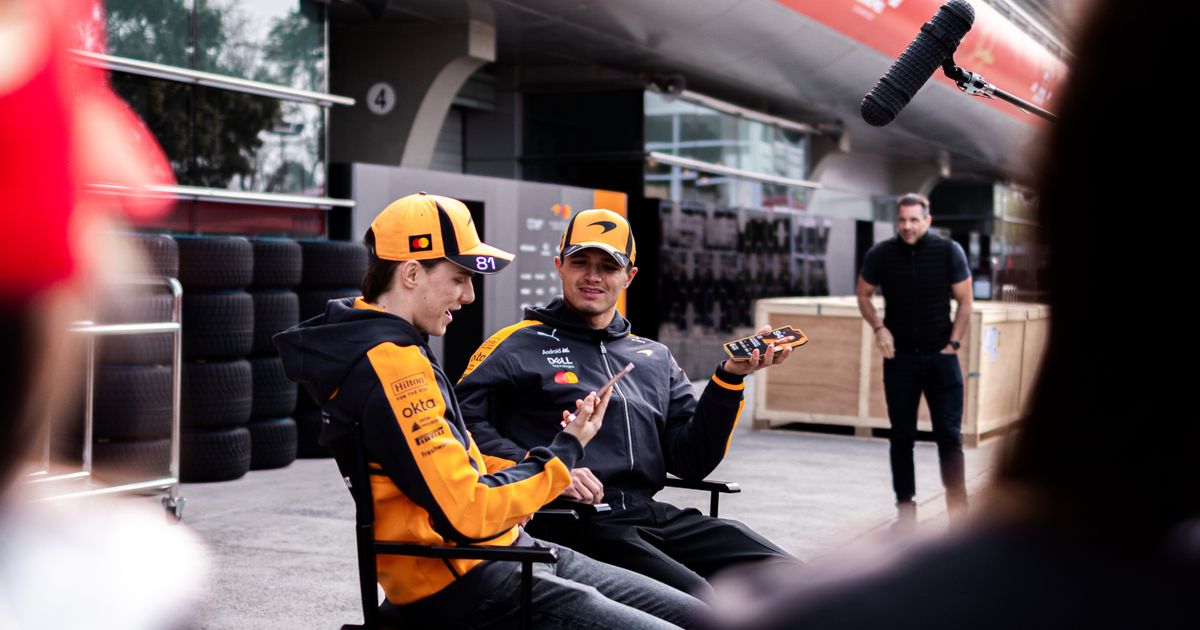
McLaren team principal Andrea Stella revealed how the team turned the major disappointment of a double Did Not Start (DNS) at the Chinese Grand Prix into a valuable, impromptu learning session. With both Lando Norris and Oscar Piastri unable to race due to a power unit issue, Stella and his drivers watched the race together, using their expert perspective to analyze tire behavior, racecraft, and strategic decisions from the sidelines.
Why it matters:
In a sport where every on-track second is precious, a complete race weekend without running is a significant setback. McLaren's proactive approach to extract value from a negative situation highlights a crucial team culture focused on continuous learning and maximizing every opportunity for development, even under the most frustrating circumstances.
The details:
- Following the identical power unit failures that sidelined both cars, Stella, Norris, and Piastri watched the Shanghai race broadcast together as a group.
- The session moved beyond passive viewing into active analysis, with the trio discussing specific technical and strategic elements in real-time.
- Tire Analysis: They focused on the behavior of the hard compound tires, a critical performance factor throughout the race weekend.
- Power Unit Observations: Comments were made on the characteristics and deployment of rival power units during the Grand Prix.
- Racecraft Study: The group analyzed the impact of wheel-to-wheel battles on lap times, overtaking opportunities, and re-overtaking maneuvers.
- Stella emphasized the unique value of this "qualified spectator" perspective, where deep background knowledge allows the team to capitalize on observations they would normally miss while managing their own cars during a race.
What's next:
The insights gained from this unusual session will feed into McLaren's preparation for the upcoming Miami Grand Prix and beyond. While the team will be fiercely focused on ensuring reliability for the next event, the strategic lessons learned from a purely observational standpoint could provide subtle advantages in future race strategy and car development. The key will be converting this theoretical analysis into on-track performance as they aim to reclaim their position at the front of the grid.
Don't miss the next lap
Get the deep dives and technical analysis from the world of F1 delivered to your inbox twice a week.
Zero spam. Only high-octane analysis. Unsubscribe anytime.
Join the inner circle
Get the deep dives and technical analysis from the world of F1 delivered to your inbox twice a week.
Zero spam. Only high-octane analysis. Unsubscribe anytime.
Continue Reading
View More News