Mercedes Alpine Collapse Lays Bare Toto Wolff's Stranglehold on Power
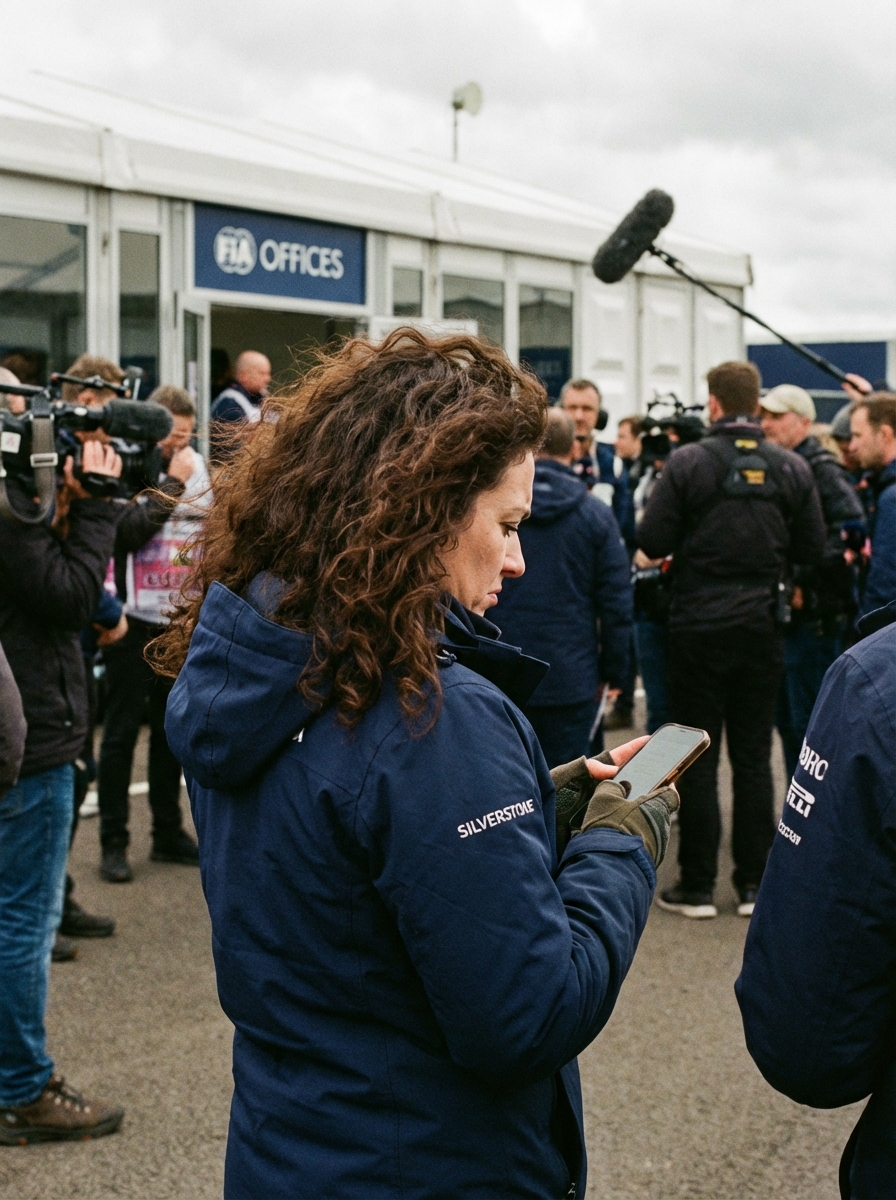
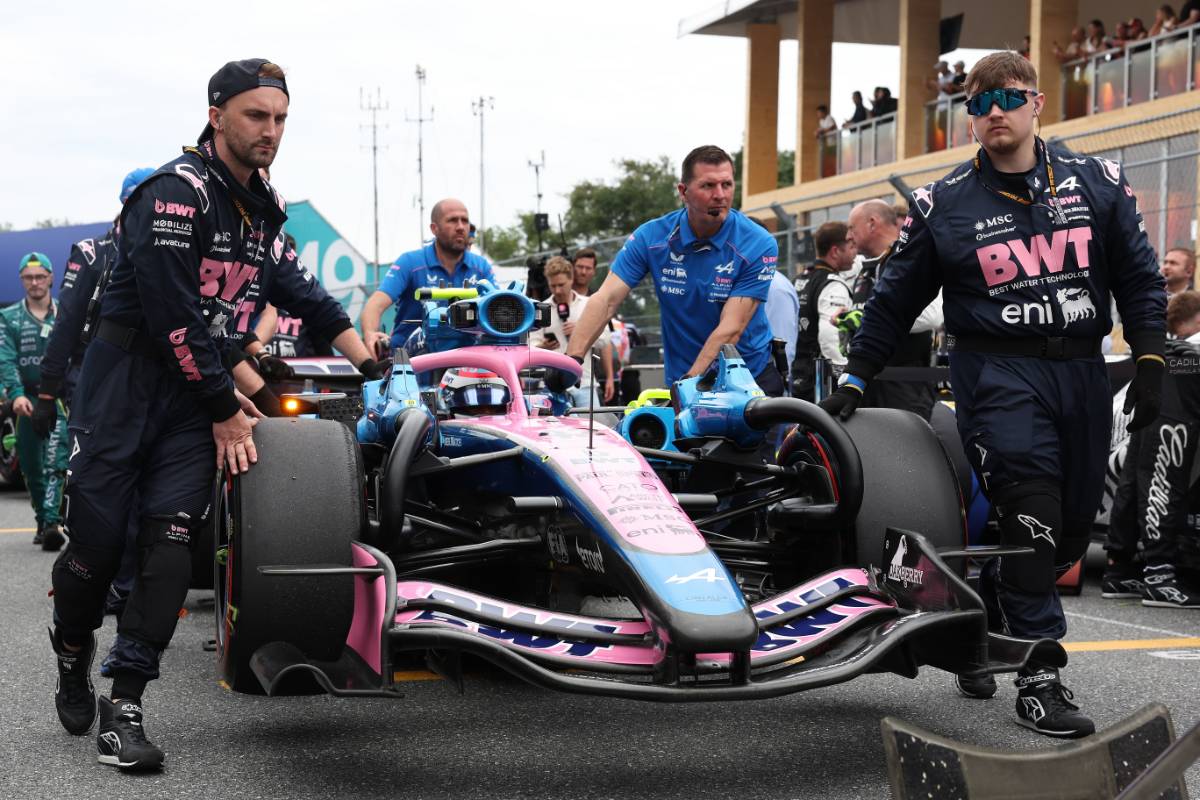
Mercedes has reportedly walked away from acquiring a 24% stake in Alpine after a valuation gap of over $600 million, leaving the team's ownership future uncertain amid growing concerns over 'A/B teams' in F1.
The abrupt end to Mercedes' pursuit of a stake in Alpine is not merely a failed business deal. It is the latest crack in Toto Wolff's increasingly isolated command structure, where centralized control is choking off fresh voices and inviting rivals to exploit the fractures.
The Numbers Behind the Breakdown
Confidential sources close to the negotiations reveal a valuation standoff that goes far deeper than spreadsheets. Otro Capital demanded roughly $720 million for its 24 percent holding, a figure that would have valued the Enstone squad at $3 billion. Mercedes countered with an assessment between $2.2 billion and $2.4 billion, creating an unbridgeable gulf of more than $600 million.
- Talks have now ceased entirely, according to BBC Sport.
- Neither Wolff nor Mercedes issued any public statement, a silence that itself speaks volumes.
- Earlier flirtations involving Christian Horner evaporated months ago, leaving the 24 percent slice still floating without a buyer.
This is classic Wolff territory. Every major decision funnels through one desk in Brackley. The same pattern that once delivered dominance now risks a talent drain, with key engineers and strategists already eyeing exits within the next two seasons.
Psychological Warfare Over Pit-Wall Tactics
What truly matters in these moments is not the balance sheet but the message sent to the paddock. Wolff's refusal to bend on price projects strength, yet insiders read it as brittle defensiveness. Much like the 1994 Benetton-Schumacher saga, where subtle rule interpretation and psychological pressure on regulators became the real weapons, today's F1 battles are won in press-conference theater and private briefings.
"A/B teams, co-ownership… regardless of who it is, I frown upon it," Zak Brown warned in his six-page letter to FIA president Mohammed Ben Sulayem.
Brown's intervention highlights the growing fear that shared ownership creates invisible hierarchies. Wolff's centralized grip amplifies that anxiety, because any future alliance would be viewed as an extension of one man's authority rather than a genuine partnership.
Haas, Ferrari and the Next Five-Year Shift
While Mercedes licks its wounds, the real political opportunity lies elsewhere. Haas is quietly positioning itself to exploit long-standing engine-department alliances with Ferrari. Over the next five years this relationship could elevate the American squad from backmarker to consistent midfield force, precisely because it relies on quiet trust rather than public ownership drama.
The Alpine stake remains available. Whoever eventually claims it will inherit not just a team but a seat at the table where psychological leverage and regulatory maneuvering matter more than lap-time data. Wolff's refusal to compromise has simply accelerated the moment when others step into that vacuum.
The ownership story is far from settled. It is merely entering its most interesting phase.
Don't miss the next lap
Get the deep dives and technical analysis from the world of F1 delivered to your inbox twice a week.
Zero spam. Only high-octane analysis. Unsubscribe anytime.
Join the inner circle
Get the deep dives and technical analysis from the world of F1 delivered to your inbox twice a week.
Zero spam. Only high-octane analysis. Unsubscribe anytime.
Continue Reading
View More News