Mercedes driver admits banned F1 engine trick was 'not so safe'
The FIA has banned a qualifying engine loophole used by Mercedes and Red Bull after drivers reported dangerous losses of power. The trick saved minimal time but could leave cars stranded on track, with Kimi Antonelli calling it "not so safe" following a scary incident at Suzuka.
FIA has banned a clever qualifying engine trick used by Mercedes and Red Bull after drivers, including Kimi Antonelli, reported dangerous on-track incidents caused by the tactic. The loophole allowed teams to avoid power reduction limits but could leave cars as "sitting ducks" with no battery power for 60 seconds.
Why it matters:
The ban prioritizes driver safety over minuscule lap time gains, addressing a genuine risk where cars were left stranded or moving dangerously slowly on circuit. It highlights the ongoing cat-and-mouse game between F1 engineers finding performance loopholes and the FIA's role in regulating them, especially when unintended consequences create hazardous situations.
The details:
- The Trick: Teams exploited a loophole by activating an emergency mode that immediately cut off the MGU-K (Motor Generator Unit-Kinetic) at the end of a qualifying lap. This avoided the normal, gradual ramp-down of energy deployment, saving a few hundredths of a second.
- The Consequence: Triggering this "continuous offset mode" deactivated the MGU-K and its battery power for 60 seconds. While fine for a normal cool-down lap, it became a major problem if a driver had to slow suddenly or yield on track.
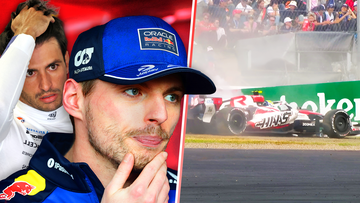
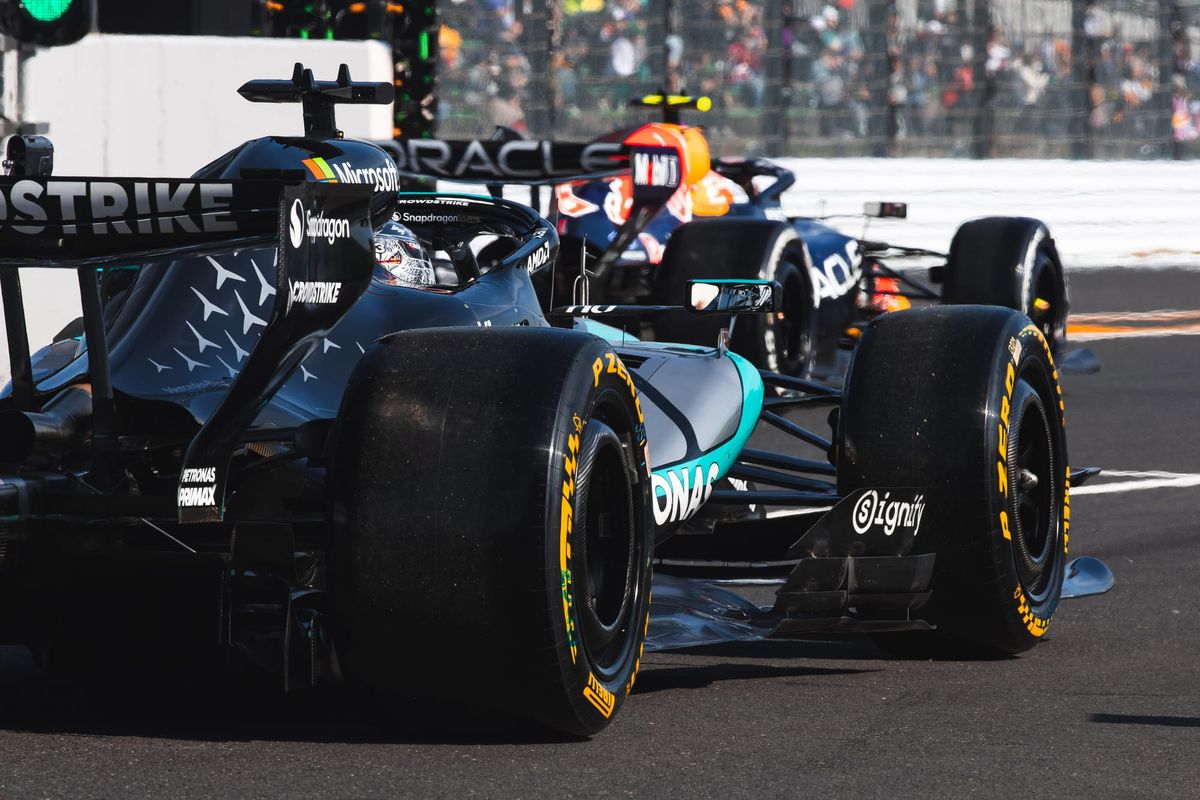
- Driver Experiences: Kimi Antonelli labeled the situation "not so safe," specifically recalling being a "sitting duck" in Suzuka's narrow Esses with an unresponsive car. Alex Albon (Williams) stopped on track entirely in Japan, and Max Verstappen (Red Bull) also experienced a similar low-speed "glitch" mode at Suzuka.
- The Trade-Off: Drivers acknowledged the tactic yielded a tiny performance gain but agreed the safety risk and potential for causing impeding penalties made it not worth the trade-off.
What's next:
With the loophole now closed by the FIA ahead of the Miami GP, teams must revert to the standard power reduction method. The move eliminates a specific risk, but the underlying incentive to find marginal gains within the complex power unit regulations remains. This incident serves as a reminder that the FIA will step in when innovative engineering solutions cross over into creating unsafe race conditions.
Don't miss the next lap
Get the deep dives and technical analysis from the world of F1 delivered to your inbox twice a week.
Zero spam. Only high-octane analysis. Unsubscribe anytime.
Join the inner circle
Get the deep dives and technical analysis from the world of F1 delivered to your inbox twice a week.
Zero spam. Only high-octane analysis. Unsubscribe anytime.
Continue Reading
View More News