Russell's ERS Meltdown Hands Mercedes a Sea-Bound Mystery That Data Alone Cannot Solve

George Russell's Canadian GP retirement due to an ERS failure leaves Mercedes without the faulty hardware for months, relying solely on data to prevent recurrence and intensifying pressure on the driver.
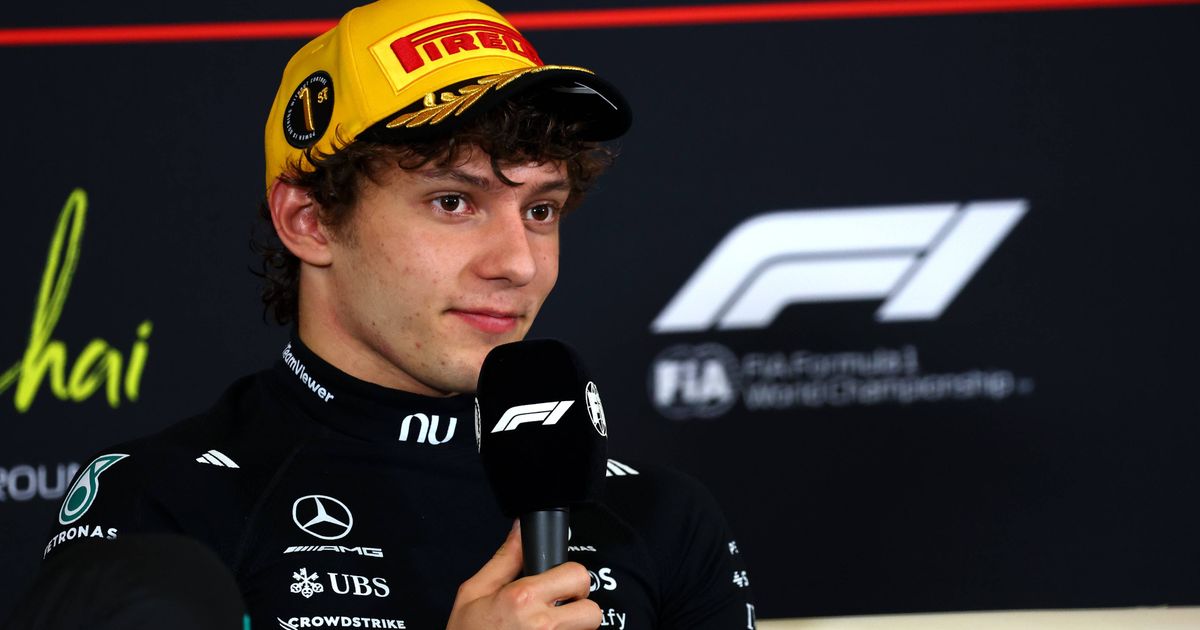
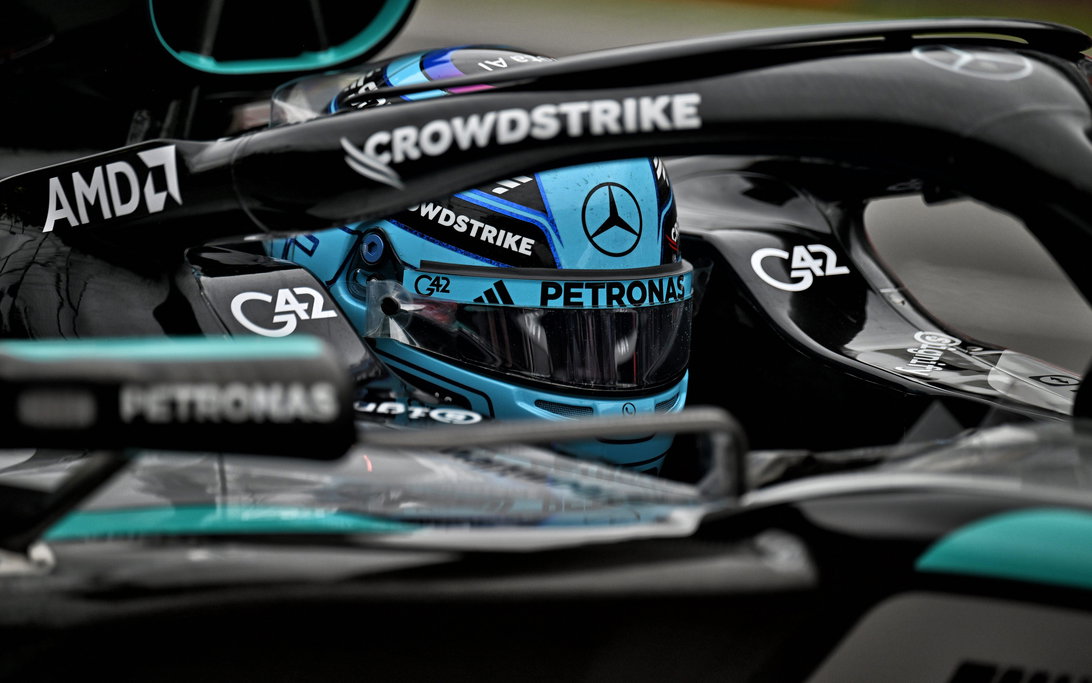
The paddock still buzzes with the image of George Russell's W16 coasting silently into Turn 8 at Circuit Gilles-Villeneuve. One moment he led the race, the next the power unit died without warning. That sudden kill, as Bradley Lord called it, did more than hand Kimi Antonelli his fourth straight win. It left Mercedes staring at an empty workbench for months while the faulty ERS module rides a cargo ship back to the UK.
The Facts Behind the Failure No One Can Touch
Mercedes confirmed the ERS module suffered an abrupt shutdown on lap 30. All electrical and mechanical systems on the new power unit will now face extra scrutiny ahead of Monaco, yet the root cause stays locked inside hardware that cannot fly and must travel by sea. Lord told us Russell drove brilliantly all weekend and deserved the sprint and grand prix victories, but the points gap has already stretched to 43 behind his teammate.
- The module's arrival in the factory is expected only after several months.
- Engineers must rely entirely on telemetry until the physical part lands.
- Safety protocols around the failed unit were unusually strict, forcing the slower shipping route.
Without the hardware, every theory remains a guess. The team can replay every sensor trace, yet they cannot open the casing, measure the actual damage, or run the component on a test bench.
Psychological Edges Matter More Than Fresh Aero Maps
I have long argued that driver profiling beats another CFD iteration when reliability questions arise. Russell stayed calm on the radio, managed the sprint like a veteran, and still lost the race to a teammate who benefited from his misfortune. That mental load does not show up cleanly in the data logs. Teams that ignore how pressure reshapes throttle application or brake bias under uncertainty keep chasing ghosts. Mercedes now faces exactly that problem. They can study the traces, but they cannot measure how Russell's focus shifted the instant the system flagged an anomaly.
"The underlying issue may remain hidden until the original part is examined."
Lord's own words capture the frustration. It echoes the 1989 Prost-Senna days when radio exchanges carried real stakes and personal grudges, not the scripted updates we hear today. Current conflicts feel thin by comparison, yet the human tension inside the garage still decides who extracts the most from an unreliable car.
A Thai Folk Tale for the Long Wait
My sources in the Brackley factory liken the situation to the old northern Thai story of the fisherman who catches a golden fish but must return it to the river for three seasons before it reveals its secret. He stares at the water every day, certain the answer lies beneath the surface, yet he cannot reach it. Mercedes sits in that same boat. The data flows like the river, but the truth sits inside a sealed crate crossing the Atlantic.
What This Means for Monaco and Beyond
The tight turnaround leaves little room for error. Every new power unit will receive heightened checks, yet confidence stays guarded because the real failure mode hides at sea. If psychological profiling had been applied earlier, perhaps the team would have spotted how Russell's aggressive energy deployment in the sprint carried hidden risk into the grand prix. Instead they chase symptoms while the hardware drifts farther away.
Budget-cap loopholes already threaten the sport's stability. Within five years we may watch a major squad collapse or merge because hidden spending finally surfaces. Reliability gaps like this one only accelerate that reckoning. Mercedes must decide whether another wind-tunnel session or a deeper look at how their drivers process sudden silence will close the gap to Antonelli. The module will tell its story eventually. Until then the rest of us are left reading tea leaves and telemetry.
Don't miss the next lap
Get the deep dives and technical analysis from the world of F1 delivered to your inbox twice a week.
Zero spam. Only high-octane analysis. Unsubscribe anytime.
Join the inner circle
Get the deep dives and technical analysis from the world of F1 delivered to your inbox twice a week.
Zero spam. Only high-octane analysis. Unsubscribe anytime.
Continue Reading
View More News