Mercedes' Front Wing Trick: How It Works and Why It Matters
Mercedes is suspected of using a clever interpretation of the 2024 active aero rules, with its front wing closing much slower than the 400ms limit to improve braking balance and energy recovery. This potential loophole exploit highlights the intense technical battles defining the new regulatory era and may prompt an FIA clarification.
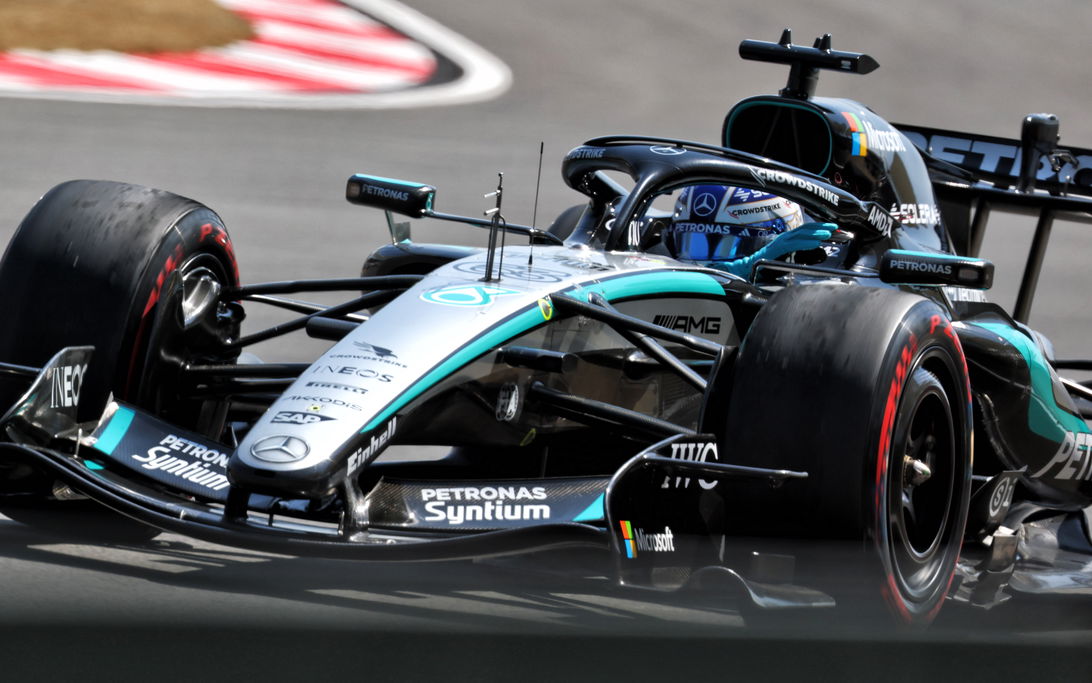
Mercedes appears to be exploiting a potential loophole in the active aerodynamics regulations with its W15's front wing, using a slower-than-mandated closing speed to gain a critical advantage in braking stability and energy management. This technical nuance, which may double the allowed closure time, is a key example of how 2024's new rules are being stretched for performance gains, placing the FIA in a position to potentially clarify or enforce the existing wording.
Why it matters:
This alleged manipulation of the front wing's closing phase goes to the heart of 2024's new technical era, where active aerodynamics (DRS 2.0) is intrinsically linked to energy recovery and deployment. A team gaining a decisive edge here could unlock better tire management, more stable braking, and ultimately, faster lap times, making it a potential differentiator in a tight development race. It also tests the precision of the new regulations, challenging the FIA to define and police the intended 'standard configuration' of the car.
The Details:
- The 2024 regulations state the front wing's movable flap must return to its normal position within 400 milliseconds after the driver deactivates the overtake mode.
- Analysis suggests the Mercedes W15's flap only reaches its halfway point within that 400ms window, with the full closing sequence taking approximately 850ms in total.
- The Performance Advantage: A slower closure creates a more gradual return of downforce at the front axle. This results in less sudden weight transfer to the rear during the critical braking phase, improving car balance and driver confidence when turning into the corner.
- Energy Management Link: A more stable car under braking allows for reduced reliance on aggressive engine braking. This, in turn, helps preserve the rear axle's grip and optimizes the Energy Recovery System (ERS), enabling a more powerful exit from the corner.
- The Regulatory Grey Area: The rules specify a closing movement must be completed within 400ms but do not explicitly define the final closed position or angle. Mercedes' approach seems to interpret 'completed' as initiating the process, not necessarily finalizing it, within the time limit.
What's next:
This technical intrigue places the spotlight squarely on the FIA's technical delegates. Rival teams are almost certainly analyzing this concept, and the governing body may be forced to issue a Technical Directive (TD) to clarify the regulation's intent regarding closure timing and position. If deemed legal, expect to see rapid development and potential copies of this concept from other teams seeking the same braking and energy management benefits. If challenged, it could lead to a forced redesign for Mercedes and a clearer rule for all.
Don't miss the next lap
Get the deep dives and technical analysis from the world of F1 delivered to your inbox twice a week.
Zero spam. Only high-octane analysis. Unsubscribe anytime.
Join the inner circle
Get the deep dives and technical analysis from the world of F1 delivered to your inbox twice a week.
Zero spam. Only high-octane analysis. Unsubscribe anytime.
Continue Reading
View More News