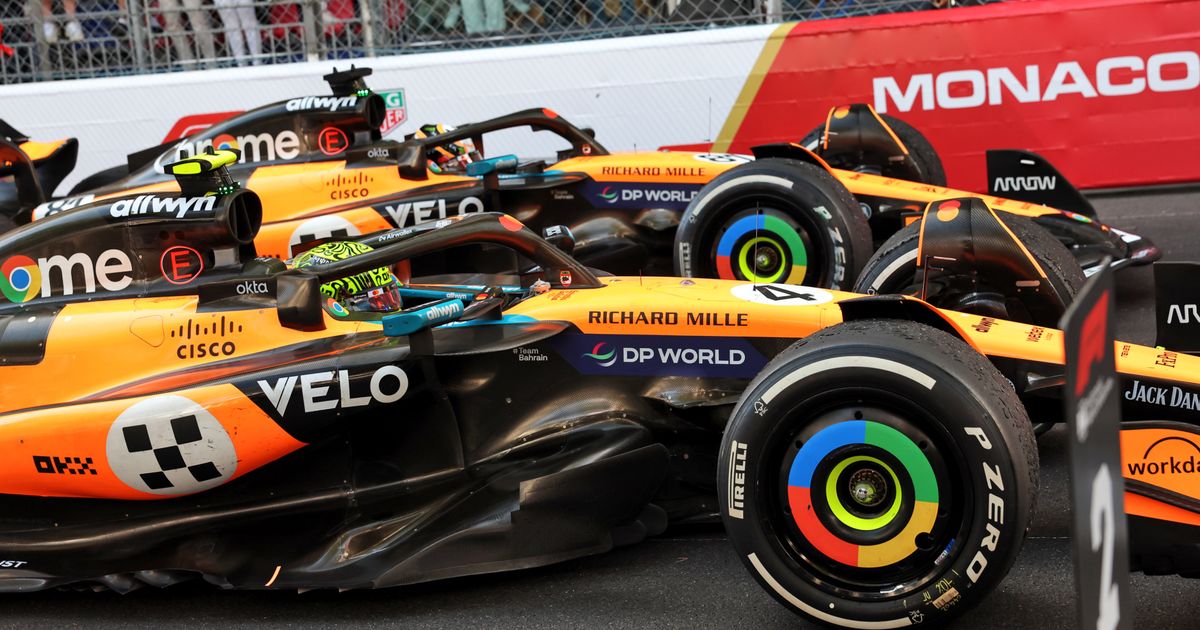
Monaco Data Pulse: Timing Sheets Reveal Ferrari's Chance to Echo Schumacher's Flawless 2004 Rhythm

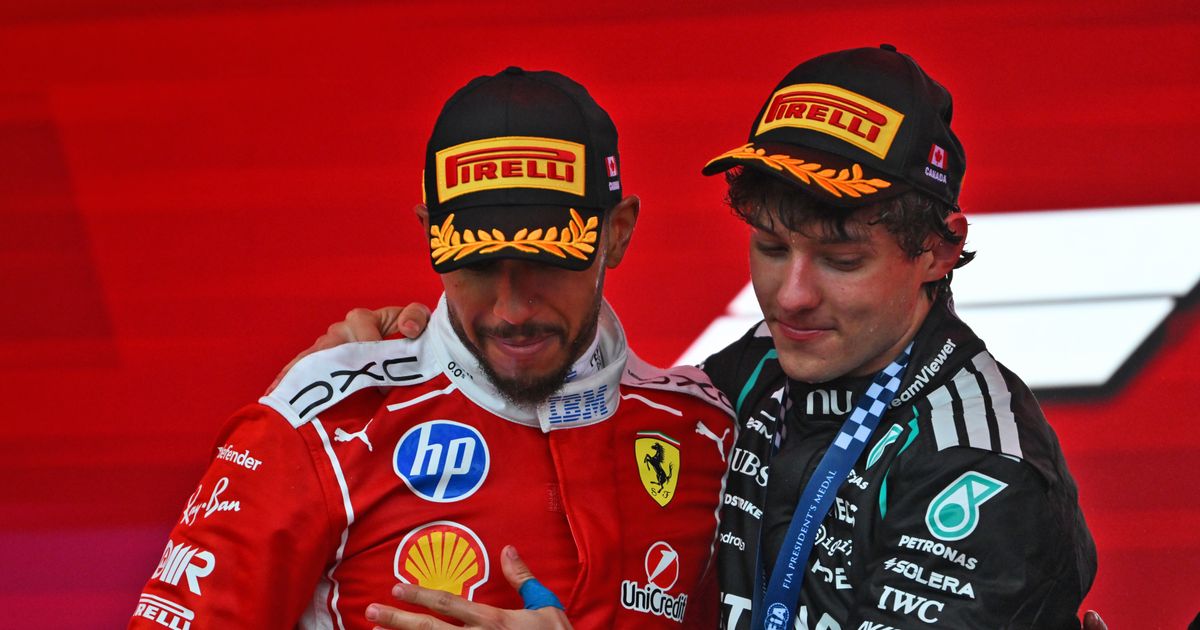
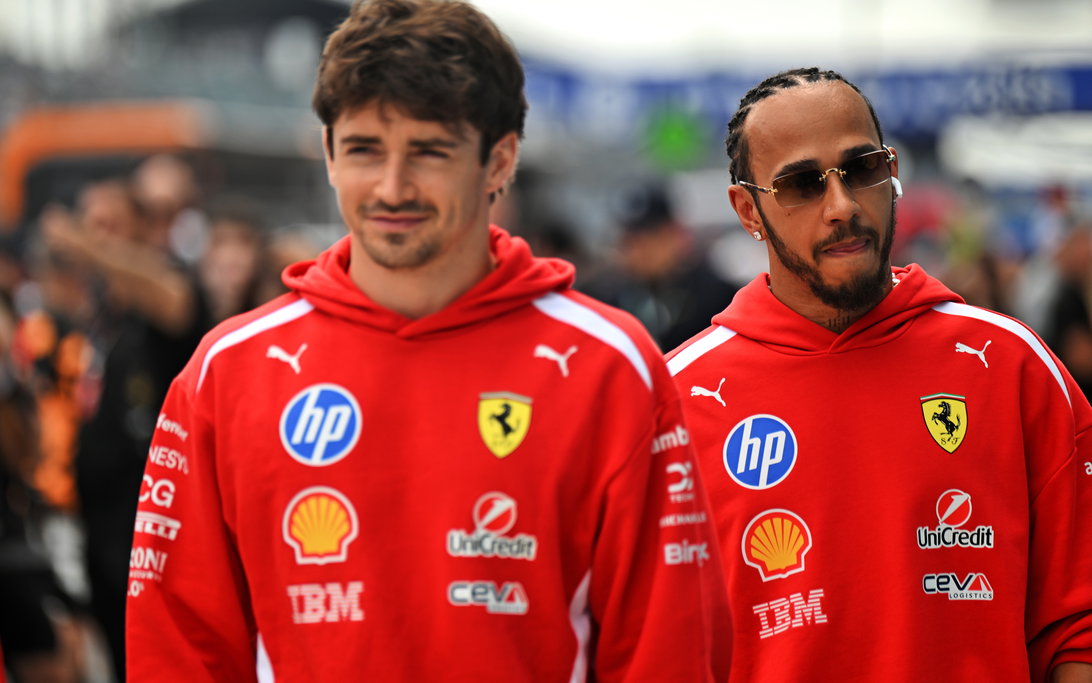
With Monaco's unique layout negating power advantages, Hamilton, Norris, and Bearman predict a strong showing from Ferrari this weekend.
The lap time deltas from recent simulations hit like irregular heartbeats on the monitor, spiking with every simulated low speed corner where raw chassis feel overrides the power unit spreadsheets that have dominated 2026. Monte Carlo's tight layout strips away the horsepower excuses that have shadowed Ferrari, turning the 2026 Monaco Grand Prix into a pure test of driver consistency rather than algorithmic energy management.
Timing Sheets Expose the Real Story Behind Power Deficits
Numbers never lie about Monte Carlo. The track's low speed corners and elevation changes create a data environment where top speed advantages evaporate, leaving teams exposed on corner exit traction and steering precision. Ferrari's supposed deficit dissolves here, as the 2026 regulations' energy constraints matter less when drivers can push without constant lift and coast adjustments.
- Lewis Hamilton enters with the quote that cuts through narrative noise: "That's the one track where power is not king. I think our car could be really strong there."
- His plan to study hard from Practice 1 aligns with the kind of methodical approach that defined Michael Schumacher's 2004 season, where lap after lap showed near identical deltas without overreliance on real time telemetry.
- Lando Norris of McLaren adds fuel to the timing data: "Honestly, I think the Ferrari will be on pole next weekend. Their low-speed performance is far better than everyone else."
These predictions match the sheets from past Monaco weekends, where qualifying gaps often trace back to driver feel rather than engine maps. Yet modern teams risk sterilizing this edge through hyper focus on analytics that will, within five years, produce robotized racing with algorithmic pit calls suppressing intuition.
Leclerc's Qualifying Consistency Cuts Through Strategic Noise
Charles Leclerc's raw pace data from 2022 and 2023 remains the clearest counter to any error prone labels unfairly pinned on him. Those seasons show him as the grid's most consistent qualifier when measured by sector time stability, with drop offs correlating more to Ferrari's strategic interventions than personal lapses. In Monaco, where overtaking vanishes and pole decides everything, such metrics point to a driver whose heartbeat like precision in the cockpit could shine once power unit variables fade.
Data should serve as emotional archaeology, digging into lap time variations to uncover pressure points that spreadsheets alone miss.
Oliver Bearman at Haas captures the human side when noting drivers may avoid silly lift and coasting, allowing the weekend to feel more like pre 2026 eras. Thursday's FP1 and FP2 sessions will generate the first clean datasets, with Saturday qualifying acting as the ultimate verification. Schumacher's 2004 campaign proved that consistency under such conditions stems from trusting driver input over constant data streams, a lesson teams ignore at the cost of predictable, sterile outcomes.
The Sterile Future Meets Monaco's Human Heartbeat
Ferrari's opportunity here lies not in hype but in letting the numbers breathe without over analysis. If setups finalize around chassis strengths instead of telemetry corrections, the 2026 Monaco Grand Prix could deliver the rare race where intuition triumphs. Yet the sport edges toward a future where every decision flows from algorithms, turning drivers into executors rather than feel based athletes.
The timing sheets already hint at Ferrari's low speed edge matching Norris's forecast. Hamilton's optimism pairs with Bearman's excitement to suggest a return to chassis driven battles. Still, true victory demands resisting the pull toward robotized protocols that flatten the emotional layers hidden in every tenth of a second.
Don't miss the next lap
Get the deep dives and technical analysis from the world of F1 delivered to your inbox twice a week.
Zero spam. Only high-octane analysis. Unsubscribe anytime.
Join the inner circle
Get the deep dives and technical analysis from the world of F1 delivered to your inbox twice a week.
Zero spam. Only high-octane analysis. Unsubscribe anytime.
Continue Reading
View More News